
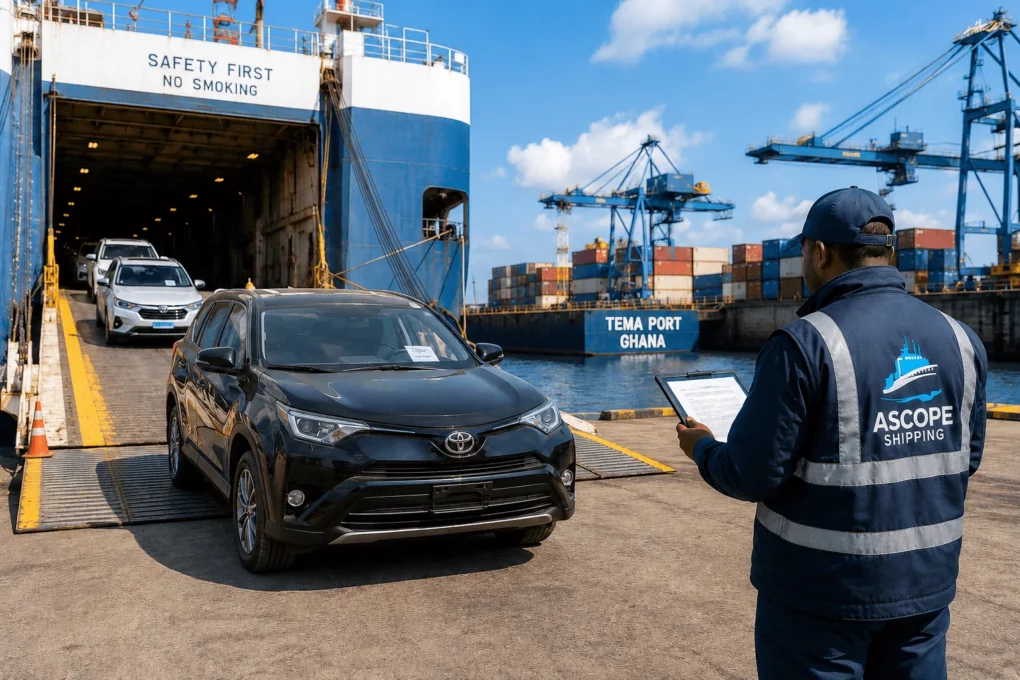
Ghana is set to introduce revised used vehicle import regulations from October 1, 2026, with the Ghana Standards Authority (GSA) tightening requirements for vehicles entering the country.
Under the new rules, used vehicles older than 15 years will be prohibited from importation into Ghana. Importers, dealers and distributors will also be required to ensure that vehicles meet Ghanaian standards before they are shipped.
The revised regulations are part of the implementation of the Ghana Standards for Imported Used Vehicles and follow consultations between the GSA and industry stakeholders.
Used Cars Over 15 Years Old Banned From Ghana
One of the biggest changes under the new vehicle import policy is the introduction of a 15-year maximum age limit for used vehicles.
From October 1, vehicles that are more than 15 years old will not be allowed to enter Ghana.
The new 15-year threshold replaces an earlier proposal that would have restricted the importation of vehicles older than 10 years.
The GSA has also identified several categories of vehicles that will be prohibited from importation, regardless of other considerations.
These include vehicles that:
- Have been submerged in water or severely damaged by flooding.
- Have been damaged or destroyed by fire.
- Have cracked, broken, bent or twisted chassis or safety cages.
- Have been assembled using spare parts.
- Do not have speedometers displaying readings in kilometres per hour.
- Are more than 15 years old.
The latest GSA directive supersedes its previous communication regarding the age limit for imported used vehicles.
Used Vehicles Must Be Inspected Before Shipment
Another major change is the introduction of mandatory pre-shipment inspection and certification.
Under the revised framework, used vehicles must be inspected in their country of origin by a GSA-approved third-party inspection body before they are shipped to Ghana.
Following a successful inspection, the approved inspection body will issue a Certificate of Conformity (CoC) confirming that the vehicle meets the relevant Ghana Standards.
This means Ghanaian car importers and dealers will have to verify a vehicle’s age, condition and compliance status before shipping it to Ghana.
Vehicles that fail to meet the required standards could be rejected when they arrive in the country.
New GSA Requirements for Car Importers and Dealers
From October 1, used vehicle importers, distributors and dealers will have additional compliance responsibilities.
They will be required to ensure that vehicles meet the applicable Ghanaian standards before shipment and register with the GSA Vehicle Homologation Unit.
The new system places greater responsibility on businesses to conduct proper checks before committing money to vehicle purchases, shipping and other import-related expenses.
For car dealers, early verification could reduce the risk of importing a vehicle that is later refused entry at a Ghanaian port.

New Vehicle Import Regulations Also Introduced
The revised framework does not only apply to used vehicles. It also introduces requirements for new vehicles and vehicle manufacturers.
New vehicle manufacturers and assemblers will be required to register with the Ghana Standards Authority, while new vehicle models must undergo homologation before they can be imported.
New vehicle importers, distributors, manufacturers and assemblers will also be required to register with the GSA Vehicle Homologation Unit.
What the 15-Year Rule Means for Ghana’s Car Market
The new 15-year threshold gives importers more flexibility than the earlier proposed 10-year restriction because vehicles up to 15 years old may remain eligible, provided they meet all other requirements.
However, the biggest change is the shift from post-arrival compliance checks to pre-shipment verification.
Importers will now have to establish that a vehicle complies with Ghana’s standards before it leaves its country of origin.
The inspection and certification process could increase costs for some vehicle dealers, but the GSA says the measures are designed to ensure that imported vehicles meet national safety and quality standards.
For consumers, the regulations could help reduce the number of old, severely damaged, flood-damaged and structurally unsafe vehicles entering Ghana’s automobile market.
Vehicles Already Shipped Are Exempt
The GSA has also provided clarification for vehicles that are already in transit.
The new October 1 enforcement date will not apply to vehicles shipped before October 1, 2026, even if those vehicles arrive in Ghana after the regulations take effect.
Similarly, vehicles that were already shipped and are in Ghana before October 1 will not be affected by the new requirements.
This provision gives importers who have already purchased or shipped vehicles some protection as the new regulations come into force.
What Ghanaian Car Importers Should Do Before October 1
With the new vehicle import rules approaching, importers, distributors and dealers should pay close attention to:
- Vehicle age: Confirm that the used vehicle is not more than 15 years old.
- Vehicle condition: Check for flood damage, fire damage and structural defects.
- Pre-shipment inspection: Arrange inspection through a GSA-approved third-party inspection body.
- Certificate of Conformity: Obtain the required CoC before shipping the vehicle.
- GSA registration: Ensure the business is properly registered with the Vehicle Homologation Unit.
- Compliance verification: Confirm that the vehicle meets all applicable Ghana Standards before committing to shipment.
Ghana’s Used Car Import Rules Change in October 2026
The revised regulations represent a significant change in how used cars are imported into Ghana.
From October 1, 2026, importers will need to establish compliance before vehicles are shipped rather than waiting until the vehicles arrive at Ghanaian ports.
The 15-year age limit, mandatory inspection, Certificate of Conformity and GSA registration requirements are expected to reshape the vehicle import process.
Importers and dealers who plan ahead, verify vehicle details and complete the necessary certification before shipment will be better positioned to avoid costly delays or rejected vehicles.
Source: newsthemegh.com