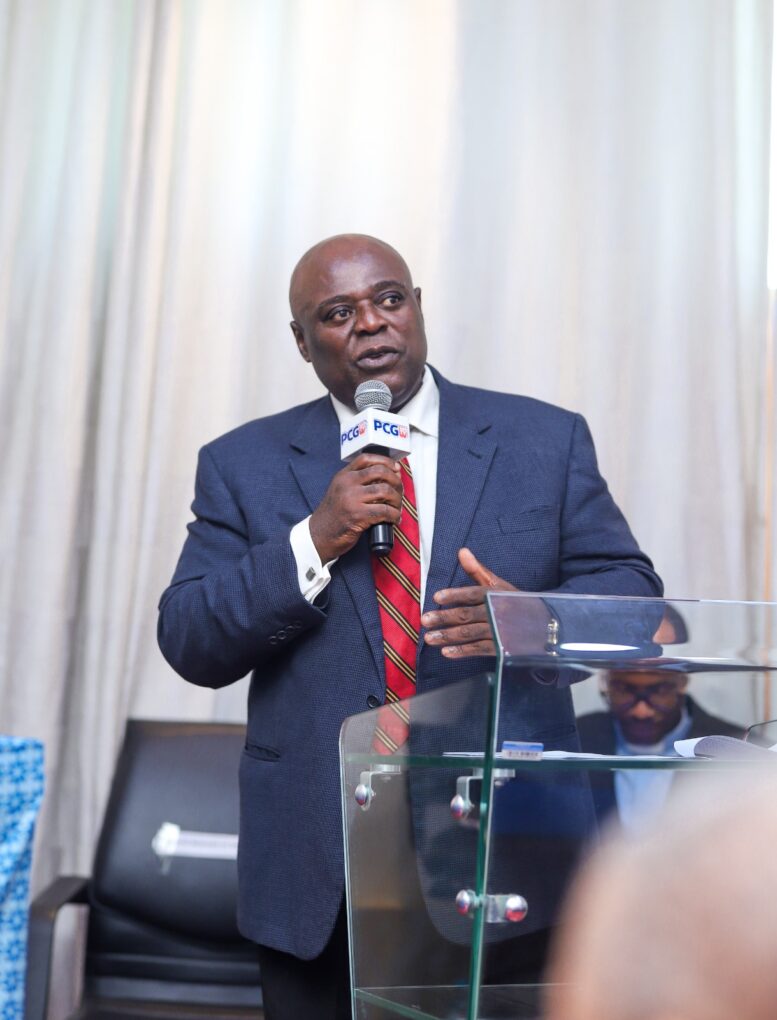
Samuel Koku Anyidoho, Founder and President of the Atta Mills Institute and a former Head of Communications under President John Atta Mills, has raised concerns about recent government agreements and policies, questioning whether some of them could unintentionally create opportunities for international drug trafficking networks.
His comments come at a time of heightened scrutiny over Ghana’s borders, ports and international trade routes following the seizure of nearly 3.9 tonnes of cocaine in France from a container that originated from Ghana.
French customs intercepted the consignment at the Port of Dunkirk on September 10, 2026. The cocaine was reportedly concealed in a container carrying plastic waste and had an estimated street value of €225 million. Ghanaian authorities have since arrested suspects as investigations continue into how the shipment allegedly left Ghana.
Anyidoho raises questions about 2025 aircraft landings
Anyidoho also revisited questions surrounding two aircraft that landed at Kotoka International Airport in March 2025.
The two flights, which arrived on March 12 and March 20 respectively, became the subject of allegations by figures from the New Patriotic Party (NPP), who raised concerns about possible drug trafficking and money laundering.
The government rejected the allegations and said the aircraft were in Ghana for legitimate technical and maintenance-related reasons. Government communications officials stated that the aircraft underwent security inspections and that no illegal substances were found.
Anyidoho questioned the explanation surrounding one of the aircraft and argued that the circumstances surrounding its stay in Ghana deserved closer scrutiny.
Questions over Ghana-Colombia trade agreement
The former presidential communications official also questioned the rationale behind a trade and free-port arrangement involving Ghana and Colombia, particularly in relation to the potential movement of goods between the two countries.
He asked what specific economic activities justified such an arrangement and whether sufficient safeguards were in place to prevent criminal networks from exploiting legitimate trade channels.
Anyidoho’s comments were framed as questions about Ghana’s trade policy, port security and international drug trafficking risks, rather than an assertion that the agreement itself facilitates illegal activity.
Anyidoho questions Ghana’s visa-free arrangements
He also raised questions about Ghana’s recent visa-free arrangements, asking why some countries were being prioritised when, in his view, they may not be among the most popular destinations for Ghanaian travellers.
Anyidoho further questioned whether criminals could potentially exploit visa arrangements to obtain foreign passports and subsequently enter Ghana.
However, these concerns remain questions raised by Anyidoho and should not be interpreted as evidence that Ghana’s visa-free arrangements are being used for drug trafficking.
Ghana cocaine seizure renews national security debate
The discussion comes against the backdrop of the major cocaine seizure in France.
According to Ghanaian and international reports, French customs intercepted almost 3.9 tonnes of cocaine valued at about €225 million from a container arriving from Ghana. Ghana’s Narcotics Control Commission (NACOC) later announced arrests and said investigations were underway, including cooperation with French authorities.
Four Ghanaian suspects have since been charged in connection with the alleged exportation of the narcotics, while investigations into the wider network continue.
Anyidoho argued that the scale of the seizure raises questions about whether organised networks could be involved and called for greater scrutiny of policies and systems that govern Ghana’s ports, borders and international trade.
Koku Anyidoho calls for accountability
Anyidoho said he expects government officials to face questions over decisions that could have implications for national security and the fight against drug trafficking and organised crime.
He stressed the importance of accountability within Ghana’s governance system and said public officials should be prepared to answer questions surrounding developments that have generated national concern.
The latest debate adds to growing calls for stronger scrutiny of Ghana’s ports, cargo screening systems, international trade routes and border security measures as authorities investigate major drug shipments linked to the country.
Source: newsthemegh.com