
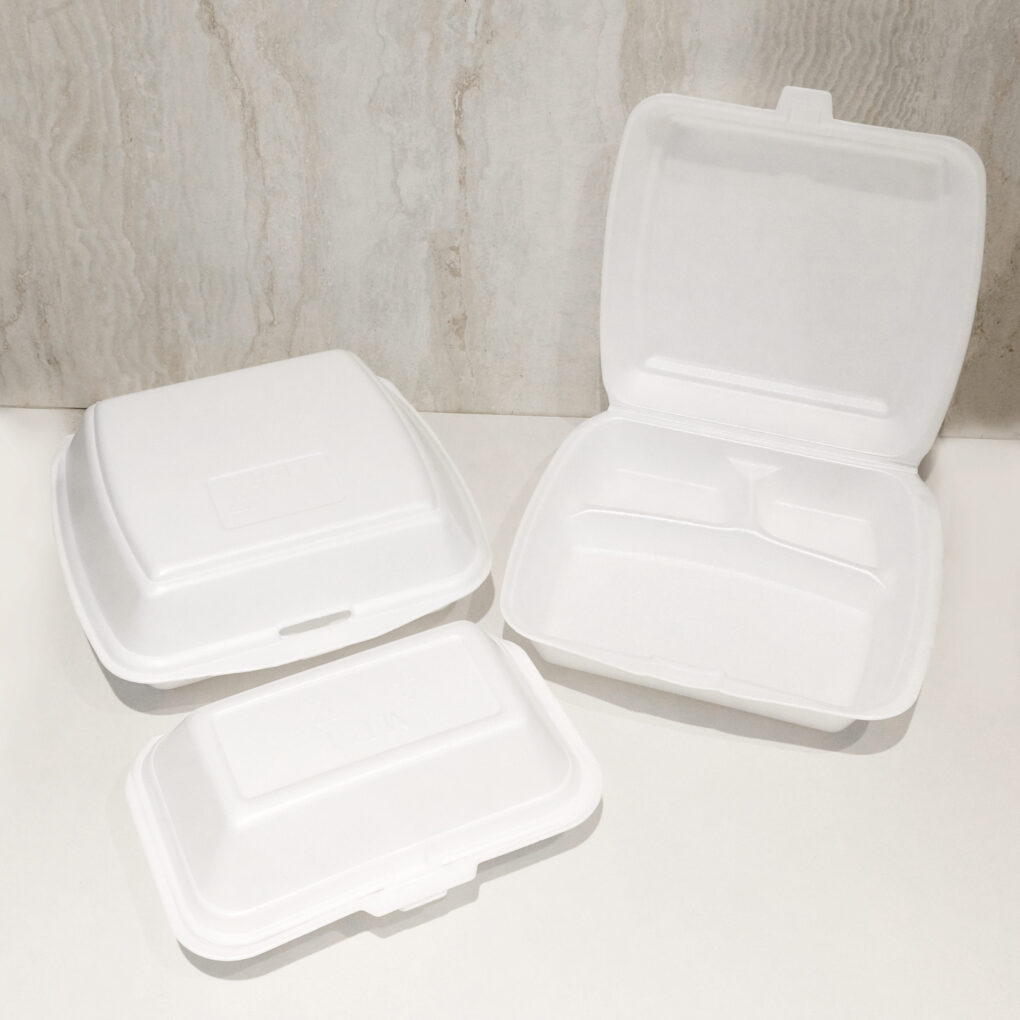
Ghana is preparing to implement a nationwide ban on Styrofoam food containers and other expanded polystyrene products from January 1, 2027, as part of efforts to combat plastic pollution, protect public health and promote environmentally sustainable packaging.
The proposed regulation will prohibit the importation, manufacturing, distribution, sale and use of Styrofoam products, commonly used for takeaway food packaging and other commercial purposes.
According to the Environmental Protection Authority (EPA), the policy is designed to reduce environmental degradation, safeguard public health and encourage businesses and consumers to transition towards eco-friendly packaging alternatives.
The ban will cover a wide range of expanded polystyrene products, including takeaway food packs, disposable cups and plates, restaurant packaging containers, mattresses, insulation materials and other packaging products manufactured from polystyrene.
The EPA’s Ashanti Regional Director, Dr Jackson Adiyiah Nyantakyi, explained the policy and its implementation plans, highlighting the serious environmental risks associated with Styrofoam due to its chemical composition, long-lasting nature and resistance to natural decomposition.
He disclosed this during a stakeholder sensitisation programme held on the sidelines of the COP31 climate conference in Antalya, Türkiye. Discussions focused on public awareness, engagement with importers and manufacturers, and strategies to facilitate the adoption of sustainable packaging materials.
Meanwhile, some manufacturers and importers have reportedly appealed for an extension of the implementation deadline to allow them to recover investments made in the Styrofoam industry. However, the EPA maintains that the proposed restriction is an important component of Ghana’s broader efforts to address the growing threat of single-use plastics and improve waste management.
Styrofoam waste remains a major environmental concern because it does not decompose easily and can remain in the environment for extended periods. Its accumulation in drains and waterways can obstruct drainage systems, increase the risk of flooding, pollute water bodies and threaten marine life.
There are also concerns about the potential health implications of using Styrofoam containers to package hot meals. Under certain conditions, chemicals from the packaging may migrate into food, raising questions about food safety and consumer health.
The January 2027 implementation date is expected to push businesses, restaurants, food vendors, manufacturers and importers towards safer and more environmentally friendly packaging solutions as Ghana intensifies its campaign against plastic pollution.
Source: newsthemegh.com