
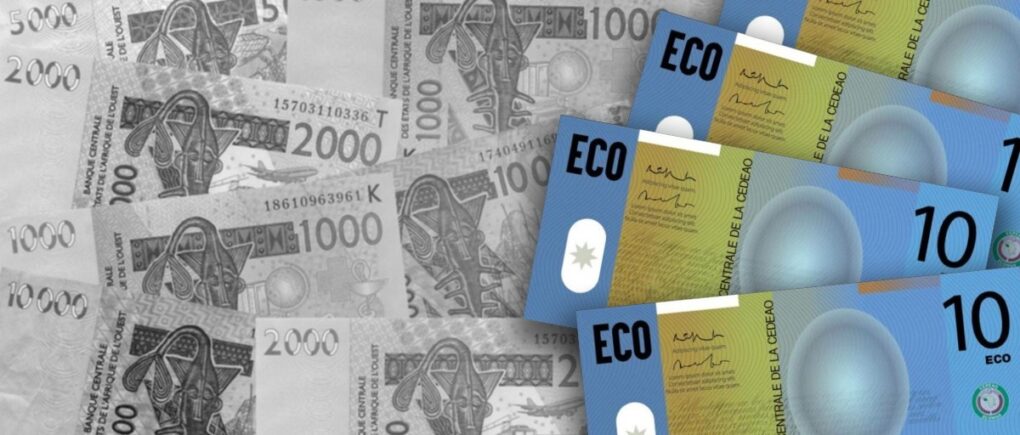
The Governor of the Bank of Ghana (BoG), Dr Johnson Pandit Asiama, has confirmed that Ghana is ready to adopt the proposed ECOWAS single currency, the ECO, as part of efforts to strengthen regional economic integration, reduce cross-border transaction costs and limit dependence on foreign currencies such as the US dollar and euro.
The proposed West African common currency is expected to be introduced through a phased implementation process beginning in July 2027, following several postponements of its original launch dates in 2003, 2015 and 2020.
Ghana Meets ECO Convergence Criteria – BoG Governor
Speaking on Ghana’s preparedness to adopt the ECO, Dr Asiama said the Bank of Ghana had satisfied the required convergence criteria and was continuing preparations towards the regional currency initiative.
“When you look at the convergence criteria, we (Bank of Ghana) are ready,” he said, adding that discussions and preparations were ongoing to ensure Ghana’s smooth participation in the programme.
The Governor disclosed that ECOWAS was expected to hold a meeting in Abidjan to address outstanding issues relating to the proposed common currency.
He said Ghana was working closely with ECOWAS to resolve the remaining concerns and ensure that the ECO initiative could be implemented successfully.
Mahama Proposes Phased Adoption of ECO
President John Dramani Mahama has advocated a phased approach to the adoption of the ECO, allowing countries that have satisfied the economic convergence requirements and are ready to participate to begin using the regional currency.
The President made the proposal at the West African Integration and Investment Summit (WAIIS) in Freetown, Sierra Leone.
The phased approach is expected to provide flexibility for member states while encouraging countries to strengthen their monetary and fiscal policies in preparation for the common currency.
Dr Asiama, however, identified logistical arrangements and the readiness of other ECOWAS member states to meet the convergence criteria as important factors that could influence Ghana’s adoption of the ECO.
He emphasised that adequate preparation would be necessary to ensure the successful implementation of the regional currency project.
ECOWAS ECO Currency: Economic Convergence Requirements
ECOWAS has established 10 economic convergence criteria comprising four primary requirements and six secondary conditions that member countries must satisfy before adopting the proposed common currency.
The primary convergence requirements include:
- Inflation rate: Must not exceed 5 per cent.
- Fiscal deficit: Must remain within 3 per cent of Gross Domestic Product (GDP), including grants.
- Central bank financing: Deficit financing by the central bank must not exceed 10 per cent of the previous year’s tax revenue.
- Foreign reserves: Member countries must maintain reserves sufficient to cover more than three months of imports.
The secondary convergence criteria include:
- Public debt must not exceed 70 per cent of GDP.
- Real interest rates must remain positive.
- Exchange rate fluctuations must stay within 15 per cent.
- Tax revenue should be approximately 20 per cent of GDP.
- Capital expenditure should account for at least 20 per cent of domestic revenue.
- Government wage expenditure should be approximately 35 per cent of tax revenue.
These requirements are intended to promote macroeconomic stability, fiscal discipline and monetary policy coordination among participating countries.
ECO Currency to Co-Circulate With National Currencies
Under the proposed ECO arrangement, national currencies are expected to co-circulate alongside the regional common currency, allowing participating countries to facilitate trade settlements and cross-border financial transactions.
The initiative is expected to reduce currency conversion costs, improve regional trade efficiency and strengthen financial cooperation across West Africa.
The proposed common currency could also reduce the region’s dependence on international currencies, particularly the US dollar and euro, for trade and financial transactions.
ECOWAS Membership and West African Economic Integration
Following the withdrawal of the Alliance of Sahel States (AES) bloc, ECOWAS currently comprises 12 member countries:
Benin, Cabo Verde, Côte d’Ivoire, The Gambia, Ghana, Guinea, Guinea-Bissau, Liberia, Nigeria, Senegal, Sierra Leone and Togo.
West Africa has a combined population of more than 450 million people, regional economic growth of 4.7 per cent and an investment pipeline exceeding US$180 billion across four strategic pillars.
These economic fundamentals are considered important factors supporting the proposed ECO currency and efforts to deepen regional economic integration.
ECOWAS Maintains 2027 ECO Launch Target
At the 11th meeting of the ECOWAS Convergence Council in 2025, Finance Ministers and Central Bank Governors recommended maintaining the 2027 target for the adoption of the regional common currency.
The meeting also called for stronger monetary and fiscal discipline among member states and accelerated progress on the legal, institutional and practical arrangements required for the ECO’s implementation.
The proposed currency is expected to play a significant role in promoting regional financial stability, facilitating cross-border trade, attracting investment and strengthening economic cooperation among West African countries.
Source: newsthemegh.com