
The Ministry of Gender, Children and Social Protection (MoGCSP) is developing a comprehensive national framework to address the challenges facing kayayei, particularly head porters operating in major commercial centres across Ghana.
The proposed National Kayayei Management Framework is aimed at coordinating government interventions, protecting vulnerable women and girls, and improving the living conditions of head porters through sustainable social protection and livelihood programmes.
The framework will also focus on preventing unsafe migration, creating economic opportunities, protecting vulnerable girls and women, and supporting the rehabilitation and reintegration of kayayei into their communities.
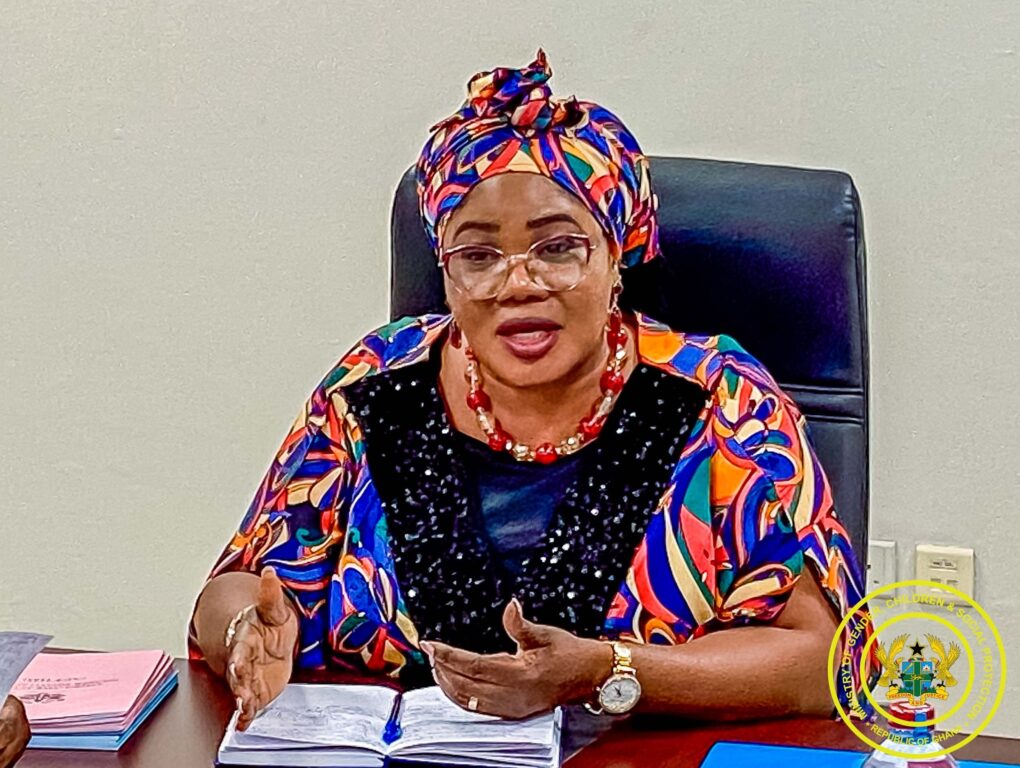
Speaking at a National Stakeholders’ Dialogue on the development of the framework in Accra, Gender Minister Agnes Naa Momo Lartey described the initiative as an important step towards replacing temporary interventions with a coordinated and sustainable national strategy.
According to her, the framework will establish clear institutional responsibilities, strengthen collaboration among relevant agencies and introduce accountability mechanisms to ensure effective implementation.
She explained that the initiative was being developed in partnership with the Office of the Vice-President and the United Nations Population Fund (UNFPA).
The minister said the proposed framework would build on existing government social protection and gender-focused policies, including the Livelihood Empowerment Against Poverty (LEAP) programme, the Social Protection Act, 2025 (Act 1148), the Children’s Act, 1998 (Act 560), and the National Gender Policy, 2025–2034.
Ms Lartey noted that although Ghana had established several policies and institutional structures capable of addressing the kayayei phenomenon, their effectiveness would depend largely on proper coordination, targeted implementation and the ability to respond to the specific needs of vulnerable girls, their families and communities.
She stressed that addressing the challenges confronting head porters required collective responsibility and sustained commitment from government institutions, development partners and other stakeholders.
The Gender Minister therefore urged stakeholders to support the successful implementation of the framework once completed.
She further emphasised that every girl should have access to education, opportunities to develop her talents, protection from unsafe conditions and the ability to contribute meaningfully to Ghana’s national development.
The initiative is expected to provide a more coordinated approach to addressing street begging, child vulnerability, unsafe migration and the socioeconomic difficulties confronting kayayei in Ghana.
Source: newsthemegh.com