
The government of Ghana has announced plans to invest US$1 billion in the country’s textile and garment industry as part of efforts to establish Ghana as a competitive manufacturing hub for international fashion markets.
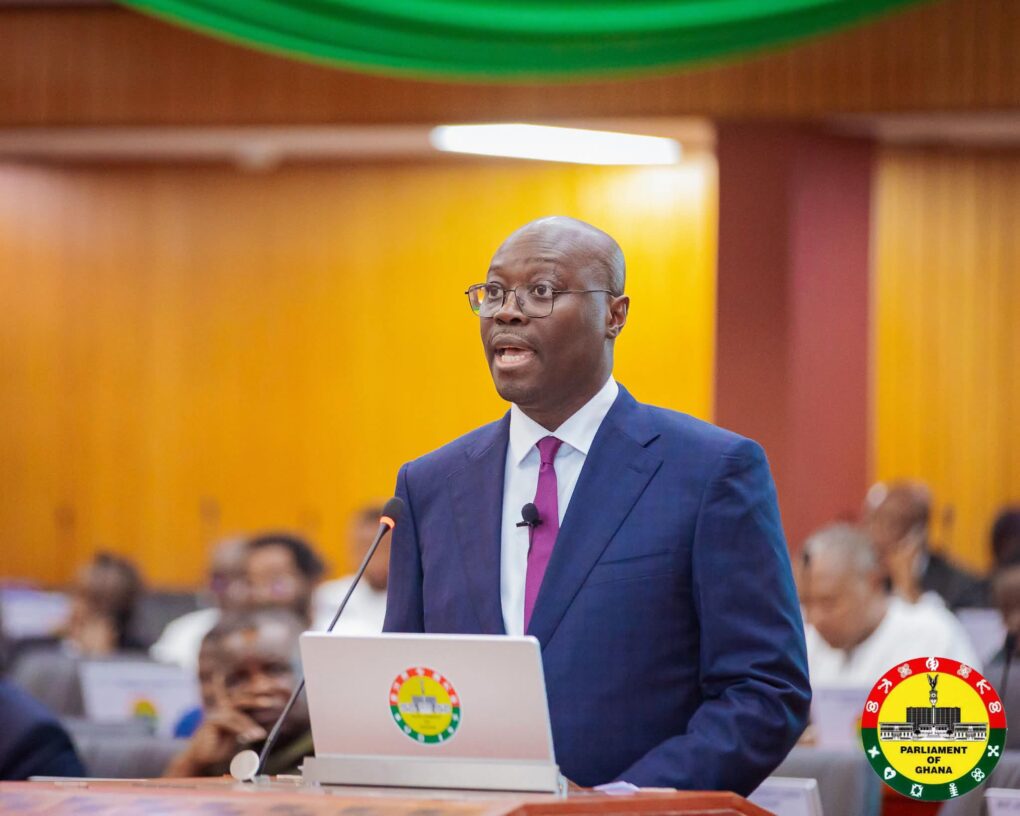
Finance Minister Dr Cassiel Ato Forson disclosed the investment while presenting the 2027 Budget Statement and Economic Policy to Parliament on Thursday, November 12, 2026.
According to the Finance Minister, the initiative is designed to increase domestic textile production, expand garment manufacturing, boost export earnings and create thousands of employment opportunities for Ghanaians.
The investment will be implemented under the government’s 24-Hour Economy initiative and Accelerated Export Development Programme, which seek to strengthen local industries, promote industrialisation and position Ghana as a major exporter of manufactured goods.
Government Targets Textile Factory Expansion and Modernisation
Dr Ato Forson explained that the US$1 billion investment would focus on revitalising Ghana’s existing textile manufacturing facilities and expanding the country’s garment production capacity.
Key areas of investment will include the modernisation of existing textile mills, expansion of garment factories and the establishment of dedicated industrial enclaves for textile and garment production.
The planned industrial facilities are expected to provide the infrastructure needed to increase production efficiency, improve product quality and enable Ghanaian manufacturers to compete more effectively in international markets.
24-Hour Economy to Drive Ghana’s Textile Industry Growth
The textile and garment industry investment forms part of the government’s broader strategy to accelerate economic growth through manufacturing, industrial development and export diversification.
Through the 24-Hour Economy Programme, the government aims to encourage factories and businesses to operate multiple shifts, increase production capacity and generate additional employment opportunities.
The initiative is also expected to strengthen local value addition, reduce reliance on imported textile products and increase Ghana’s participation in the global fashion and garment supply chain.
If successfully implemented, the US$1 billion investment could position Ghana as an important textile and garment manufacturing destination while creating new opportunities for local businesses, investors and workers.
Source: newsthemegh.com