
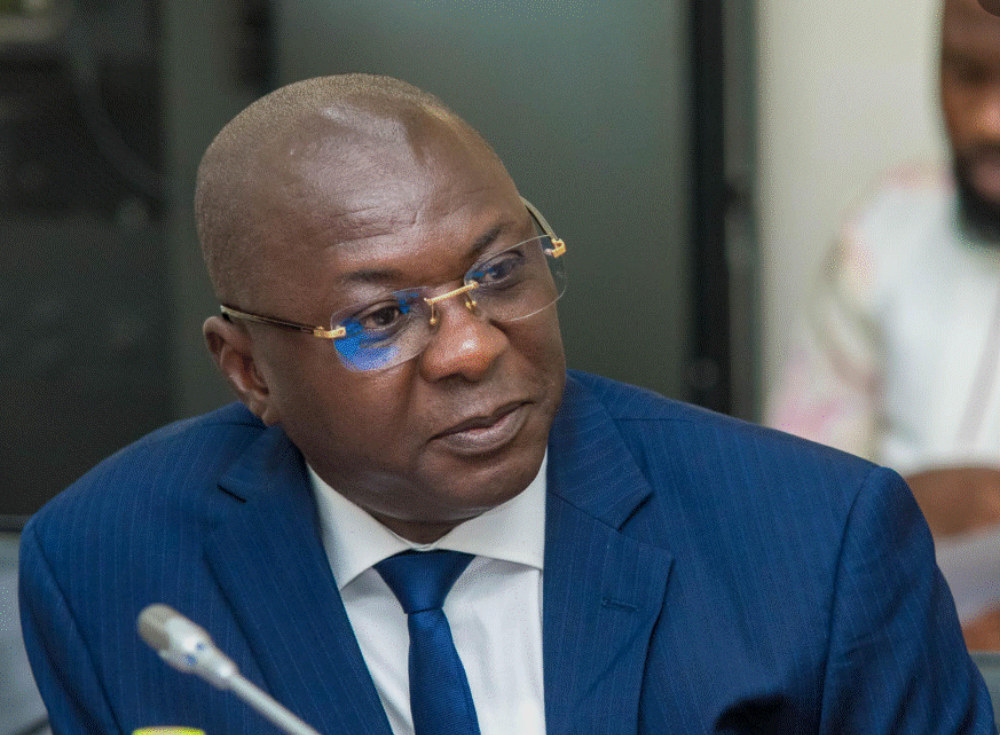
Dr. Mohammed Amin Adam, a former minister of finance, has voiced worry over what he claims was the government’s selling of half of Ghana’s gold holdings last year, claiming that this depleted the country’s reserves.
Dr. Adam questioned the government’s reasoning for selling half of the national gold reserves established by the previous administration in a lengthy post on his Facebook site that he posted on Wednesday night. He claimed that doing so negates the goal of building up the reserves.
The former Finance Minister gave information on how the Gold for Reserves Policy helped the former NPP government increase Ghana’s gold reserves from a pitiful 8.8 tonnes to over 30 tonnes. He accused the government of selling half of the reserves to cover up losses in 2025.
Dr. Adam questioned the government’s sale, stating that it “raises serious concerns about policy consistency and balance sheet management.”
“Against this backdrop, the liquidation of more than half (+50%) of these reserves—generating approximately US$1.5 billion in financial gains—raises serious concerns about policy consistency and balance sheet management,” Dr. Adam wrote.
“The central question is not whether reserves can be reallocated, but why such a substantial share was sold, and how the proceeds were used.”
“If these transactions were primarily undertaken to offset financial losses, then this represents a fundamental shift from reserve accumulation toward balance sheet repair. In that case, headline financial outcomes risk overstating underlying performance, unless one-off gains from gold sales are clearly separated from core operational results.”
Dr. Adam added that the Central Bank ”must prove that it did not sell the gold to cover huge losses recorded in 2025.”
“How will the Bank report its 2025 losses vis-avis the gains from the sale of gold reserves? How sustainable is this practice where operational losses can easily be offset by the sale of our gold reserves?”
“The Bank of Ghana is yet to tell Ghanaians that the real reason behind the sale was not to achieve the right proportions of assets between foreign currency and gold, but simply to cover losses occasioned by its poor management of the Bank.”
Source: newsthemegh.com