

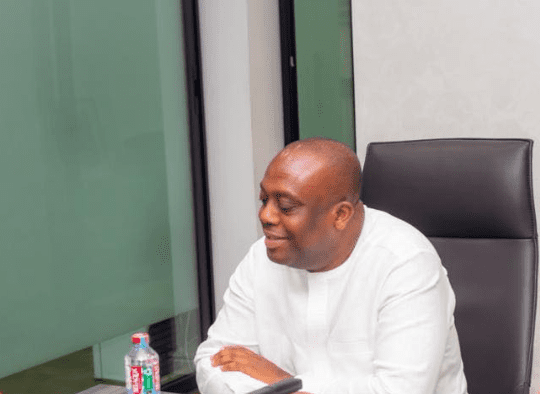
Thomas Nyarko Ampem, the deputy minister of finance, has directly urged striking nurses and midwives to go back to the negotiating table.
On Tuesday, June 4, the Ghana Registered Nurses and Midwives Association (GRNMA) began an industrial strike that has nearly stopped essential medical services in more than 300 public hospitals and clinics in all 16 districts.
Emergency rooms are only partially operational, and planned surgeries have been put off indefinitely, leaving thousands of patients stranded.
The strike was started by the nurses and midwives because they claim that there have been protracted delays in the execution of their 2024 Collective Agreement, which deals with important terms of service and compensation.
“In excess of GH¢2 billion” would be added to the national compensation budget to completely meet the nurses’ present requests, the Deputy Minister said, appreciating their vital role in healthcare delivery but also highlighting the country’s dire financial situation.
Speaking at a joint news briefing with the health minister today, Mr. Nyarko Ampem acknowledged the vital role Ghana’s more than 120,000 nurses and midwives play in the health sector and reaffirmed the government’s commitment to ending the industrial action.
“Our nurses are very, very critical to healthcare delivery, and we appreciate what they do,” he stated.
The deputy minister swiftly turned his attention to the difficult economic situation, though.
He clarified that the extent of the nurses’ requests for better working conditions is a serious danger to the government’s attempts to reduce its budget.
An increase in the compensation budget of GH¢2 billion would be a major financial burden and would take up a sizable amount of the yearly budget allotted for capital projects or necessary services.
This amount could, for example, finance several important infrastructure projects or more than 10% of the health sector’s total yearly budget.
Mr. Nyarko Ampem reaffirmed the government’s general dedication to macroeconomic stability, especially in light of the current IMF Extended Credit Facility program.
“We have all committed that in our resolve to reset the economy of this country, we must maintain a 1.5% primary balance surplus every year in order to bring our debt levels to sustainable levels,” he highlighted.
At over 75%, Ghana’s public debt-to-GDP ratio is still concerning, therefore strict spending control is essential to preventing more debt problems.
“So it is important for us to manage expenditure,” he stressed, appealing to the healthcare professionals to understand the broader economic context.
“We want to appeal to our revered nurses that we are willing to negotiate to settle them and the Ministry of Health to agree on a road map that will help us incorporate what can be accommodated in the budget for next year.”
Asserting that the nurses value the government’s “hard work we are all doing to manage the economy better,” the Deputy Minister called for cooperation in order to create a “win-win situation for all of us.”
To maintain budgetary prudence while addressing the valid concerns of the healthcare workforce, the proposed roadmap recommends implementing new conditions of service gradually, probably across several budget cycles.
Source: newsthemegh.com