

Ghana has successfully completed its Extended Credit Facility (ECF) programme with the International Monetary Fund, attaining macroeconomic stability and debt sustainability ahead of time, according to the government.
Following what officials describe as a dramatic economic turnaround after the program drifted off course in late 2024, this development officially ends the nation’s financial rescue deal with the IMF.
The government claims that in order to bring the program back to stability, President John Dramani Mahama’s administration, which took office in 2025, enacted front-loaded fiscal consolidation measures, expenditure rationalisation, and structural reforms.
According to the Ministry of Finance, these actions have yielded observable outcomes, such as a notable drop in inflation, a stronger cedi, a decrease in the public debt relative to GDP, and a general improvement in economic growth.
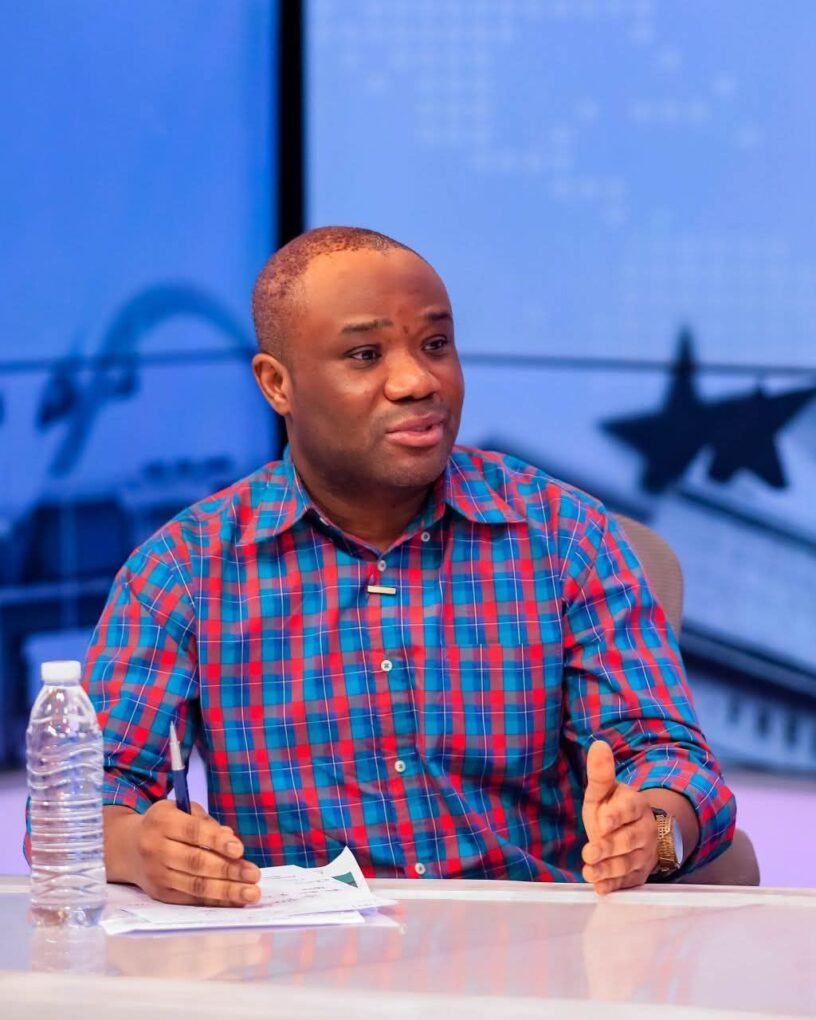
In a statement, government spokesperson Felix Kwakye Ofosu announced that Ghana’s sovereign credit ratings had been upgraded five times, from limited default status to “B” with a favourable outlook.
Stronger budgetary restraint, increased external buffers, restored investor confidence, and normalised relations with creditors were all factors in the turnaround, he claimed.
Additionally, as of February 2026, gross international reserves had increased to a record level of roughly US$14.5 billion, providing import coverage for almost six months.
According to the government statement, “This buffer provides Ghana with the capacity to withstand external shocks and stand on its own feet.”
Ghana will now work with the IMF under the Policy Coordination Instrument (PCI), a non-financing mechanism that offers technical help and supports the execution of economic reforms, when the bailout program concludes.
The government clarified that while the PCI framework does not offer cash, it does help to increase the legitimacy of policies, draw in private investment, and facilitate access to finance from development partners.
According to officials, the new agreement is anticipated to support efforts to obtain an investment-grade credit rating, which would lower borrowing costs, draw in long-term institutional investors, increase foreign direct investment, and enhance access to less expensive infrastructure funding.
In addition to bilateral creditors, the Official Creditor Committee, and domestic and foreign investors for their assistance during the restructuring period, the government thanked civilians for their perseverance and sacrifices.
The statement further stated that President John Dramani Mahama and his administration are still dedicated to good governance, fiscal restraint, and fostering an atmosphere that encourages investment and job development.
Mr Kwakye Ofosu stated, “This engagement will support government’s effort to accelerate sustainable development, create jobs and raise living standards for all Ghanaians.”


Source: newsthemegh.com