
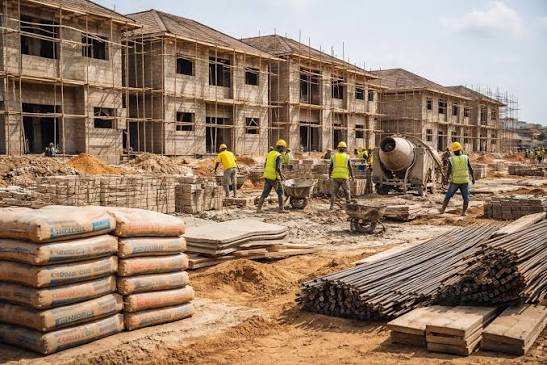
Ghana’s building cost inflation rate increased to 5.1% in September 2026, up from 4.6% recorded in August, according to the latest Prime Building Cost Index (PBCI) released by the Ghana Statistical Service (GSS).
The increase indicates that the overall cost of building and construction inputs was 5.1% higher in September 2026 than in the same month of the previous year, reflecting continued cost pressures within Ghana’s construction and real estate sectors.
Despite the annual increase, the monthly inflation rate for building costs stood at 0.03% in September 2026, meaning construction input prices edged up slightly compared with August.
Plant and Equipment Costs Drive Building Inflation
The latest data from the Ghana Statistical Service identified plant and equipment costs as the main source of inflationary pressure in the building sector.
Prices in this category increased by 19.1% year-on-year in September 2026, making it the most significant contributor to the rising cost of construction inputs.
Higher plant and equipment expenses can affect contractors, property developers and individuals planning residential or commercial building projects, potentially influencing construction budgets and project delivery costs.
Ghana Statistical Service Explains the Building Cost Index
According to the Ghana Statistical Service, the Prime Building Cost Index measures changes in the prices of essential construction inputs over time.
These inputs include building materials, labour and plant and equipment used in construction activities across the country.
The index uses 2023 as its base year, with the base period assigned an index value of 100. This allows the statistical agency to monitor changes in construction costs and provide information for economic analysis, business planning and policy decisions.
Impact of Rising Building Costs on Ghana’s Construction Industry
The increase in building cost inflation could have implications for Ghana’s housing market, real estate investment and infrastructure development.
Higher construction expenses may put pressure on property developers, building contractors and households seeking to construct or complete residential properties. Equipment cost increases may also affect businesses undertaking road construction, commercial developments and other infrastructure projects.
Although the monthly increase remained relatively small at 0.03%, the annual inflation rate of 5.1% highlights the importance of monitoring construction input prices when preparing building budgets and estimating project costs.
The latest Prime Building Cost Index provides an important indicator for stakeholders in Ghana’s construction industry as they assess cost trends and plan future projects.
Source: newsthemegh.com