
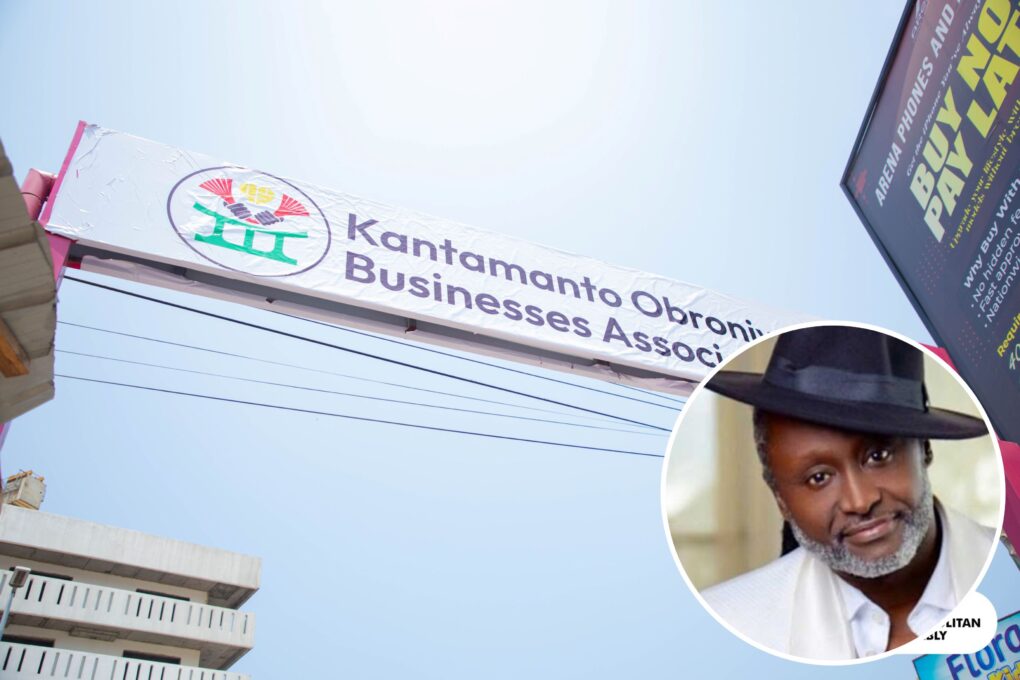
The Or Foundation, in partnership with Ghanaian Hiplife pioneer Reggie Rockstone, has organised a four-kilometre health walk for traders at Kantamanto Market in Accra to promote physical fitness, healthy living and preventive healthcare.
The exercise, held on Sunday, October 18, 2026, formed part of activities marking the fifth anniversary of the Obroni Wawu October (OWO) Festival, an annual event celebrating secondhand fashion, textile recycling and sustainable clothing practices in Ghana.
The walk attracted market traders, particularly women, fashion enthusiasts and members of the public, while highlighting the importance of community unity and the economic opportunities available through clothing recycling and upcycling.
According to a press release issued by The Or Foundation on Friday, October 23, 2026, the health walk was among the activities leading up to the main OWO Festival, scheduled for Sunday, October 25, at Untamed Empire in Accra.
Reggie Rockstone Highlights Economic Benefits of Secondhand Clothing
Reggie Rockstone, the official ambassador for the 2026 OWO Festival, said the health walk was designed to encourage healthy lifestyles while strengthening relationships among traders at Kantamanto Market.
He also emphasised the significant contribution of Ghana’s secondhand clothing industry to employment, business development and the wider economy.
The Hiplife legend noted that initiatives by The Or Foundation and other participants in the textile upcycling sector demonstrated how discarded clothing could be transformed into valuable products through creativity and innovation.
However, he stressed that unlocking the full potential of Ghana’s circular fashion economy would require increased investment, technical expertise and stronger collaboration among government, businesses and other industry stakeholders.
The President of the Kantamanto Women’s Association also commended The Or Foundation for organising the exercise, describing it as an opportunity for market women to prioritise their health and wellbeing.
OWO Festival Celebrates Ghana’s Circular Fashion Economy
The Obroni Wawu October Festival celebrates secondhand fashion, environmental sustainability and the livelihoods supported by Ghana’s used-clothing trade.
The sector provides employment and business opportunities for thousands of people, including traders, tailors, designers, transport operators and workers involved in clothing repair, recycling and upcycling.
The festival seeks to highlight the value of these activities while promoting more sustainable approaches to fashion and textile waste management.
Through its activities, the OWO Festival also draws attention to the potential for discarded garments to become raw materials for new products, creating additional income opportunities and reducing textile waste.
Or Foundation Showcases Proposed Kantamanto Market Infrastructure
Beyond promoting physical fitness, the four-kilometre health walk ended at an 80-stall demonstration facility developed by The Or Foundation to showcase a proposed model for improving infrastructure and working conditions at Kantamanto Market.
The facility occupies land entrusted to the project by the Accra Metropolitan Assembly (AMA) and was designed by Ghanaian architect Nana Ayensua Amonoo of Unapparant.
According to the foundation, the demonstration site represents less than one per cent of the market and uses repurposed shipping containers to illustrate how more efficient and sustainable market spaces could be developed.
The project incorporates several features intended to improve traders’ safety, accessibility and working conditions.
These include fire-resistant materials, wider aisles for moving carts loaded with large bales of secondhand clothing, a solar-powered upcycling centre and improved waste-management infrastructure.
The design also aims to reduce the physical risks traders face when carrying heavy loads on their heads, while its modular construction could speed up building work and minimise disruption to trading activities during future redevelopment.
Sustainable Market Development and Improved Working Conditions
The Or Foundation explained that the 80-stall facility was intended as a demonstration of safer and more sustainable market infrastructure rather than a complete redevelopment solution for Kantamanto Market.
Over the previous 12 months, the organisation had engaged representatives of the Kantamanto Women’s Association, the Kantamanto Upcyclers’ Association and other market leaders to obtain feedback on the proposed infrastructure model.
The consultations were intended to ensure that future improvements reflected the needs of traders and other people whose livelihoods depend on the market.
Improved market infrastructure could help address concerns about fire safety, waste disposal, accessibility and the physical demands associated with handling large quantities of secondhand clothing.
Kantamanto Market Redevelopment Could Cost Over US$70 Million
The Or Foundation estimates that extending a similar infrastructure model across the entire Kantamanto Market could require an investment of more than US$70 million.
Potential funding sources include Globally Accountable Extended Producer Responsibility mechanisms, government-led special levies, public fundraising and private philanthropic contributions.
Extended Producer Responsibility mechanisms can help finance waste management and recycling by requiring producers to take greater responsibility for the environmental impacts of their products.
Such funding arrangements could support improvements in market facilities while promoting textile recycling, sustainable fashion and better working conditions for traders.
The proposed investment also highlights the financial scale of efforts to modernise one of Ghana’s major secondhand clothing trading centres.
Ghana’s Secondhand Fashion Industry and Environmental Sustainability
Kantamanto Market plays an important role in Ghana’s secondhand clothing trade, supporting thousands of livelihoods and contributing to the country’s circular economy.
However, improving infrastructure, strengthening waste management and expanding textile upcycling remain important considerations for making the sector safer and more environmentally sustainable.
The collaboration between The Or Foundation and Reggie Rockstone combines public health awareness with efforts to promote sustainable fashion, economic opportunities and improved market conditions.
Through the OWO Festival and its related activities, organisers hope to encourage greater recognition of the people who sustain Ghana’s secondhand clothing industry and the need for investment in its future.
Source: newsthemegh.com