
The government’s flagship 24-hour Economy programme has recorded progress, with 33 manufacturing companies, 12 oil marketing companies (OMCs) and 12 state-owned enterprises (SOEs) registering and commencing round-the-clock operations.
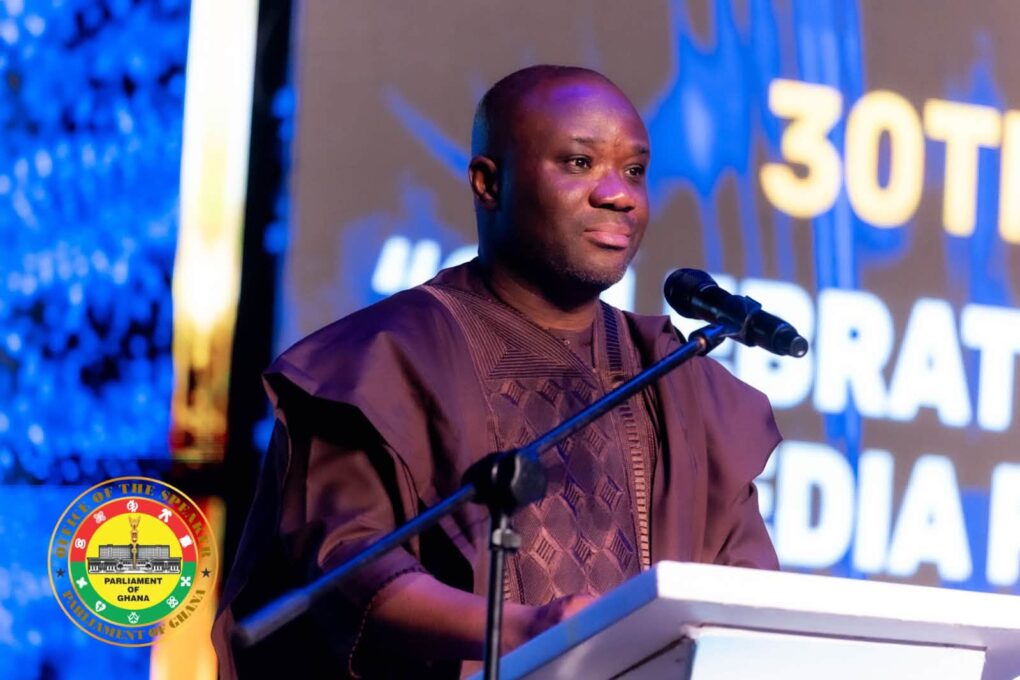
Minister in charge of Government Communications, Felix Kwakye Ofosu, disclosed the figures during parliamentary debate on the 2027 Budget Statement and Economic Policy on Wednesday, November 18, 2026.
He said the participating businesses and public institutions had adopted 24-hour operations as part of efforts to boost industrial production, expand economic activity and create employment opportunities across Ghana.
According to Kwakye Ofosu, the 33 manufacturing companies are members of the Association of Ghana Industries (AGI) that have registered with the 24-hour Economy Secretariat and introduced round-the-clock production shifts.
He added that 12 oil marketing companies, operating a combined network of 247 fuel retail outlets, had joined the initiative. Additionally, 13 depots and refineries are reportedly operating under the programme.
The Minister also confirmed that 12 state-owned enterprises had implemented 24-hour services as part of the government’s strategy to improve public service delivery and productivity.
24-Hour Economy Creates Thousands of Jobs
Kwakye Ofosu said the initiative had contributed to employment growth in several government institutions since its implementation began.
He cited the Driver and Vehicle Licensing Authority (DVLA), which has reportedly employed 1,758 people since introducing its 24-hour services in 2025.
The Ghana Ports and Harbours Authority (GPHA) has also recruited 1,400 workers since commencing round-the-clock operations, while the Ghana Airport Company Limited has employed an additional 334 people.
The Ghana Investment Promotion Centre (GIPC), according to the Minister, has created employment for 95 people through its participation in the programme.
He further highlighted the Ghana Publishing Company Limited, which retained 100 employees who were reportedly at risk of losing their jobs because of excess staffing under the company’s previous operational model.
Kwakye Ofosu explained that the introduction of the 24-hour Economy programme had enabled the company to reorganise its operations and maintain the employment of the affected workers.
Government Introduces Incentives for 24-Hour Businesses
The Minister said the government had introduced additional incentives to support businesses participating in the 24-hour Economy initiative.
Among the measures is the deferred payment of import duties on machinery directly required for implementing the programme, a policy intended to ease the financial burden on companies investing in production equipment and industrial expansion.
The 24-hour Economy programme forms part of the government’s broader economic transformation agenda aimed at increasing manufacturing output, supporting private-sector investment, improving productivity, expanding business opportunities and reducing unemployment.
The figures were presented in response to calls from the Minority in Parliament for the government to provide an update on the implementation and performance of the initiative.
Source: newsthemegh.com