
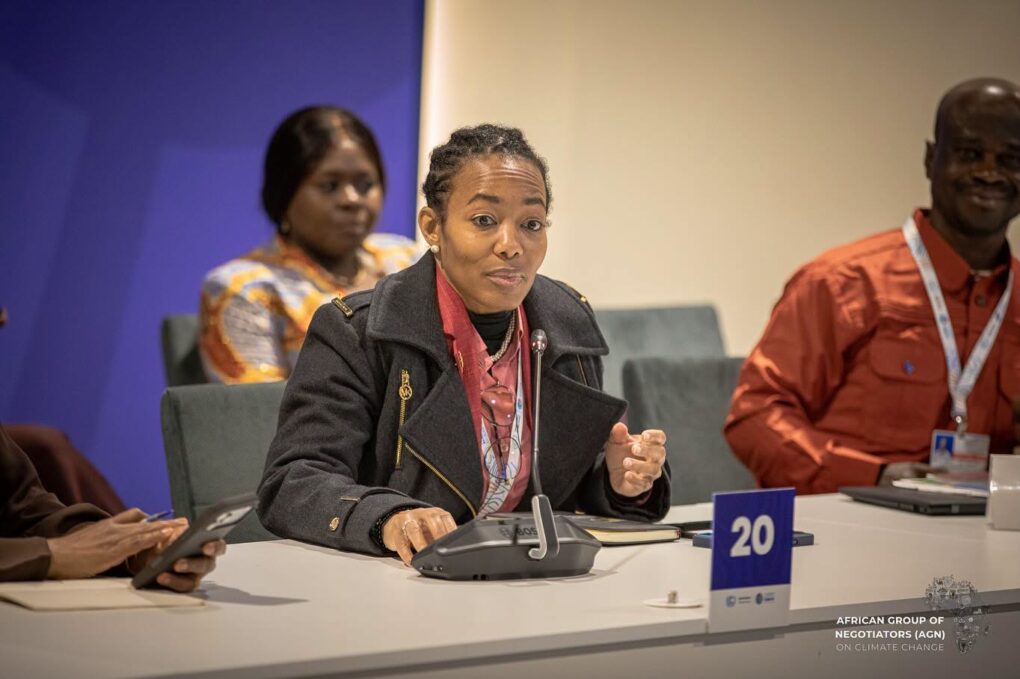
Ghana has reaffirmed the need for inclusive, transparent and respectful participation in global climate change negotiations following an interruption during the presentation of an African Group of Negotiators (AGN) statement at the closing plenary of COP31 in Antalya, Türkiye.
The incident occurred when Ghana’s Minister of Environment, Science and Technology, Dr Zanetor Agyeman-Rawlings, was delivering a statement on behalf of the African Group of Negotiators, which Ghana currently chairs. She was interrupted by COP31 President Murat Kurum during her presentation.
The development prompted the Chair of the African Group of Negotiators, Nana Dr Antwi-Boasiako Amoah, to remind the conference president of the importance of adhering to the event’s Code of Conduct.
Following the intervention, Dr Agyeman-Rawlings was given the opportunity to continue her address and successfully completed the AGN’s submission. She used the occasion to emphasise the importance of multilateral cooperation and equal opportunities for all countries to contribute meaningfully to international decisions on climate change.
COP31 President Murat Kurum, who also serves as Türkiye’s Minister of Environment, Urbanisation and Climate Change, subsequently apologised to Dr Agyeman-Rawlings and the African negotiating bloc over the incident.
Mr Kurum explained that he had no intention of disrespecting the Ghanaian minister or interrupting her presentation. He described her as a valuable woman and highlighted the longstanding diplomatic relationship between Ghana and Türkiye.
In response, Dr Agyeman-Rawlings accepted the apology and called for understanding and cooperation among participants at international climate conferences.
She acknowledged that discussions at major global forums could sometimes become frustrating but expressed hope that mutual respect would guide future engagements and make COP31 a memorable conference.
The incident has renewed discussions about fairness, diplomatic respect and equal representation in international climate negotiations, particularly regarding the participation of developing countries in decisions affecting the global environment.
For African nations, protecting the integrity of the multilateral climate negotiation process remains critical. Although Africa contributes a relatively small share of global greenhouse gas emissions, the continent continues to experience significant climate change impacts, including rising temperatures, droughts, flooding, food insecurity and environmental degradation.
Ghana’s leadership of the African Group of Negotiators also places the country in an important position to coordinate and advance the continent’s collective climate priorities at international forums.
The AGN serves as the negotiating bloc representing African countries in climate discussions under the United Nations Framework Convention on Climate Change (UNFCCC).
Ghana has therefore reiterated its commitment to working closely with other African nations to promote climate justice, strengthen international cooperation and ensure that Africa’s concerns receive adequate attention in global climate policy decisions.
The country is also advocating for an inclusive climate negotiation process that recognises the different economic circumstances, development needs and environmental challenges facing countries across the world.
Source: newsthemegh.com