
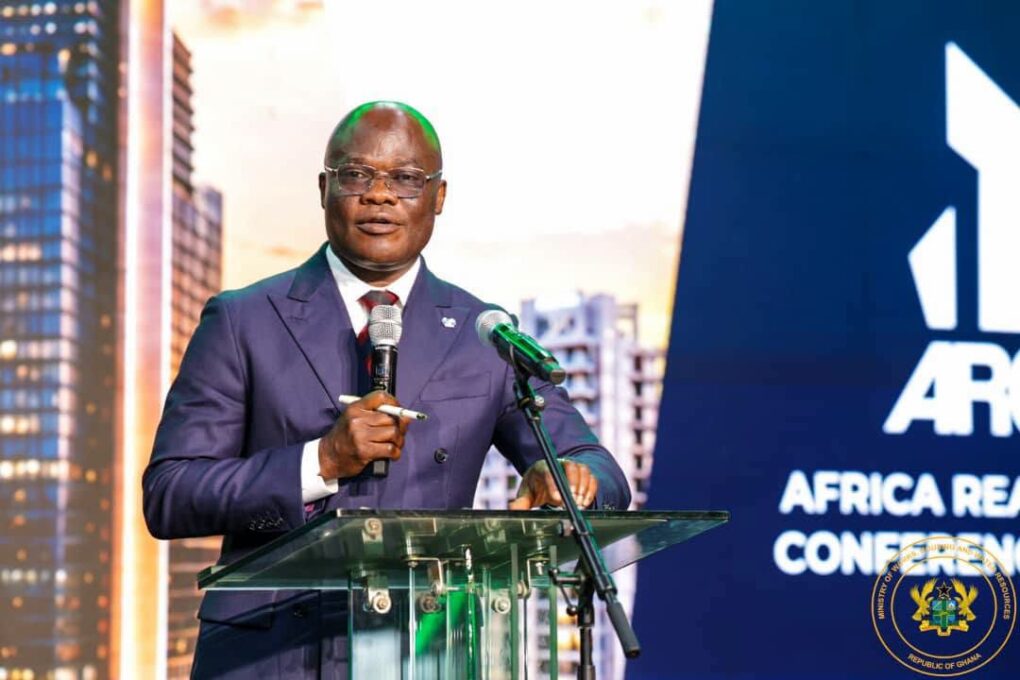
The Minister of Works, Housing and Water Resources, Mr Ahmed Ibrahim, has urged landlords and property owners across Ghana to cooperate with the Rent Control Department as the government intensifies efforts to reform the country’s rental and housing sector.
The minister commended the Acting Rent Commissioner, Mr Frederick Opoku, for his leadership in driving reforms within the department and called on the public to support efforts to strengthen rent regulations and ensure their effective enforcement.
Mr Ibrahim stressed that the Rent Control Department must be allowed to carry out its statutory responsibilities without intimidation or obstruction, explaining that its ongoing activities were being undertaken under the government’s mandate to improve the rental housing system.
He acknowledged that Ghana’s existing rent laws contain significant weaknesses and have become outdated, making them inadequate to address emerging challenges in the housing and accommodation sector. According to him, the government is reviewing the current legal framework to introduce reforms that will improve regulation and protect tenants and property owners.
The minister, who is also the Member of Parliament for Banda Constituency, made these remarks during an interview at Banda-Ahenkro while commenting on alleged assaults involving the Acting Rent Commissioner, who is spearheading the department’s reform agenda.
Mr Ibrahim also cautioned landlords against imposing excessive rent charges, particularly on students and other vulnerable groups struggling to secure affordable accommodation.
He observed that the imbalance between the demand for rental properties and the available housing supply had created opportunities for some landlords and property owners to exploit tenants through unreasonable rental charges.
The minister reaffirmed the government’s commitment to transforming Ghana’s rental and accommodation sector, adding that pension funds could play a significant role in addressing the country’s housing deficit.
He proposed greater investment of pension funds in housing infrastructure, particularly the construction of affordable student hostels across the country.
According to Mr Ibrahim, Ghana’s pension funds, estimated at GH¢1.7 trillion, represent a substantial source of long-term capital that could support housing development and other critical infrastructure projects.
He explained that investing pension funds in student accommodation could generate sustainable financial returns through rental income while helping to reduce the accommodation difficulties faced by students in tertiary institutions.
The minister emphasised that tackling Ghana’s housing challenges requires a comprehensive assessment of the rental market, improved regulatory enforcement and the mobilisation of available investment resources to expand affordable accommodation.
The proposed reforms are expected to strengthen tenant protection, improve landlord accountability and create a more transparent and sustainable rental housing market in Ghana.
Source: newsthemegh.com