
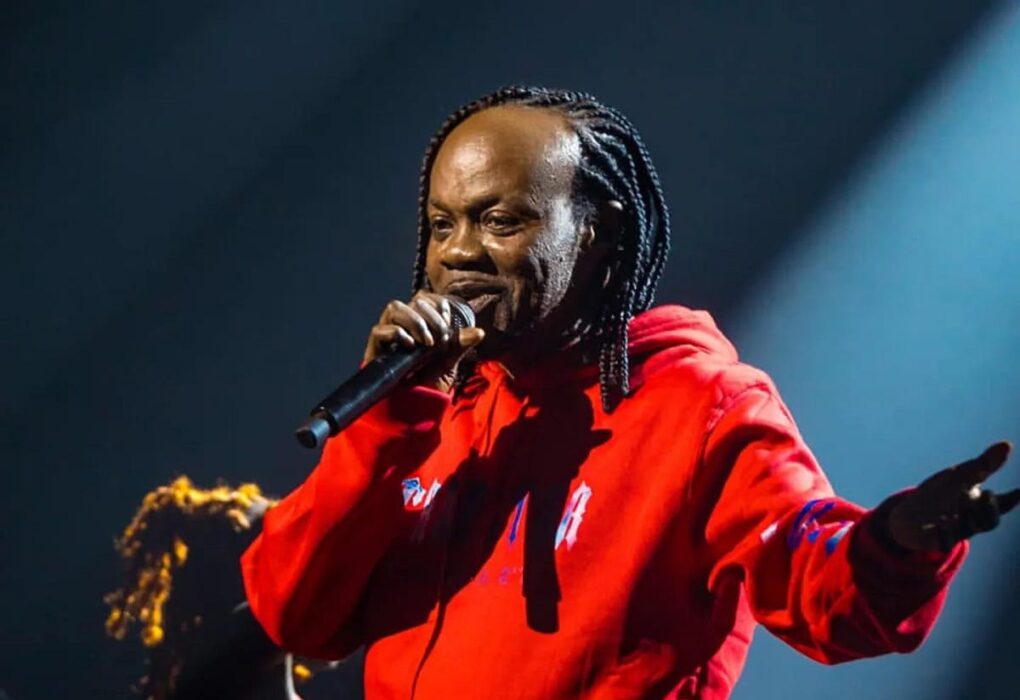
Daddy Lumba, born Charles Kwadwo Fosuh on September 29, 1964, is one of Ghana’s most celebrated highlife musicians.
The legendary Ghanaian singer, songwriter and producer spent a significant part of his career based in Cologne, Germany, while building a remarkable musical legacy that continues to influence generations.
Born in Nsuta near Mampong in Ghana’s Ashanti Region, Daddy Lumba developed his passion for music at an early age and eventually became one of the biggest names in Ghanaian highlife music.
Daddy Lumba and the Lumba Brothers
Daddy Lumba made his breakthrough on the Ghanaian highlife music scene in the early 1980s through his collaboration with fellow musician Nana Acheampong. Together, they became known as the Lumba Brothers and released the popular hit song “Yeeye Aka Akwantuo Mu.”
The song highlighted the experiences of many Ghanaians who travelled abroad in search of better economic opportunities but eventually remained in foreign countries because of financial challenges, emotional circumstances and other unexpected difficulties.
The success of the Lumba Brothers produced several hit songs and established Daddy Lumba as a talented, versatile and influential Ghanaian musician.
His wife, Akosua Serwaa, was also involved in the production of one of his albums, further highlighting the support behind his successful music career.
Daddy Lumba’s Influence on Ghanaian Music
Throughout his career, Daddy Lumba has released numerous successful albums and established himself as one of the most popular figures in Ghanaian highlife music.
He also played an important role in discovering and promoting emerging musicians. One of his most notable collaborations came in 1999 when he featured rising musician Ofori Amponsah on the blockbuster album “Wo Ho Kyere.”
The collaboration produced five hit songs and helped propel Ofori Amponsah into the Ghanaian music spotlight. Daddy Lumba is credited with helping launch or support the careers of several Ghanaian musicians, with his influence extending to about 13 artists.
Another notable collaboration was “Ahenfo Kyinye”, released in 2004 with legendary Ghanaian musician Pat Thomas.
Daddy Lumba & Pat Thomas – Ahenfo Kyiniye
Daddy Lumba Albums and Hit Songs
Daddy Lumba’s extensive discography includes several popular albums that have contributed significantly to the development of modern Ghanaian highlife music.
Some of his notable albums include Obi Ate Meso Bo, Sika Asem, Ohia Asem, Playboy, Sesee Wo Se, Odo Foforo, Biribi Gyegye Wo, Back for Good, Mesom Jesus, Hwan Na Otene, Ebi Se Eye Aduro, Aben Wo Ha, Adepa Hye Adepa, Poison, Ofie Banbofo, Mato Odo Mu, Bubra, Tokrom, Asee Ho and Odo Bewu Dee.
In December 2007, Daddy Lumba reunited with Nana Acheampong for a concert, sparking discussions about a possible new project between the two legendary musicians.
Daddy Lumba and the Ghana Music Awards
Daddy Lumba has enjoyed major recognition at the Ghana Music Awards and other prestigious award ceremonies.
In 1999, he won three Ghana Music Awards, including Best Album and Most Popular Song of the Year, further cementing his position as one of Ghana’s leading highlife artists.
His album “Tokrom” also earned several nominations at the 2008 Ghana Music Awards, demonstrating his continued relevance in Ghana’s competitive music industry.
Daddy Lumba has written, produced and performed on numerous albums throughout his career. He is credited with more than 25 albums across his roles as a singer, songwriter and producer, including his 25th album, “Sika,” released in December 2008.
His later releases included the 2011 album “Ko Kye Po.”
Daddy Lumba – Aben Waha (Official Video)
Daddy Lumba’s Unique Music Style
Daddy Lumba’s career has been marked by his ability to adapt to changing musical trends while maintaining his highlife roots.
At different stages of his career, he released both gospel music and secular highlife songs, sometimes generating controversy because of his provocative lyrics and music videos.
His music evolved alongside changes in the tastes and demands of Ghanaian audiences, leading to his recognition as an important figure in contemporary Ghanaian highlife music.
Daddy Lumba also established his own recording studio, where he handled various aspects of music production. His facilities included equipment for recording, mastering, cassette duplication, printing and packaging his musical works.
Daddy Lumba’s Legacy in Ghanaian Highlife
With decades of experience, numerous hit songs, successful albums and multiple awards, Daddy Lumba remains one of the most influential Ghanaian musicians of all time.
His contribution to highlife music, his collaborations with other artists and his role in introducing emerging talents have made him an important part of Ghana’s entertainment history.
Daddy Lumba’s music continues to appeal to both younger and older generations, ensuring that his legacy as a Ghanaian highlife legend, songwriter, producer and music icon remains firmly established.
Source: newsthemegh.com