
Ghana has announced plans to stop exporting raw minerals by 2030 as part of a major policy shift aimed at promoting local mineral processing, accelerating industrialisation and creating employment opportunities.
The initiative, directed by President John Dramani Mahama, is intended to ensure that Ghana and other African countries derive greater economic benefits from their natural resources instead of relying heavily on the export of unprocessed minerals.
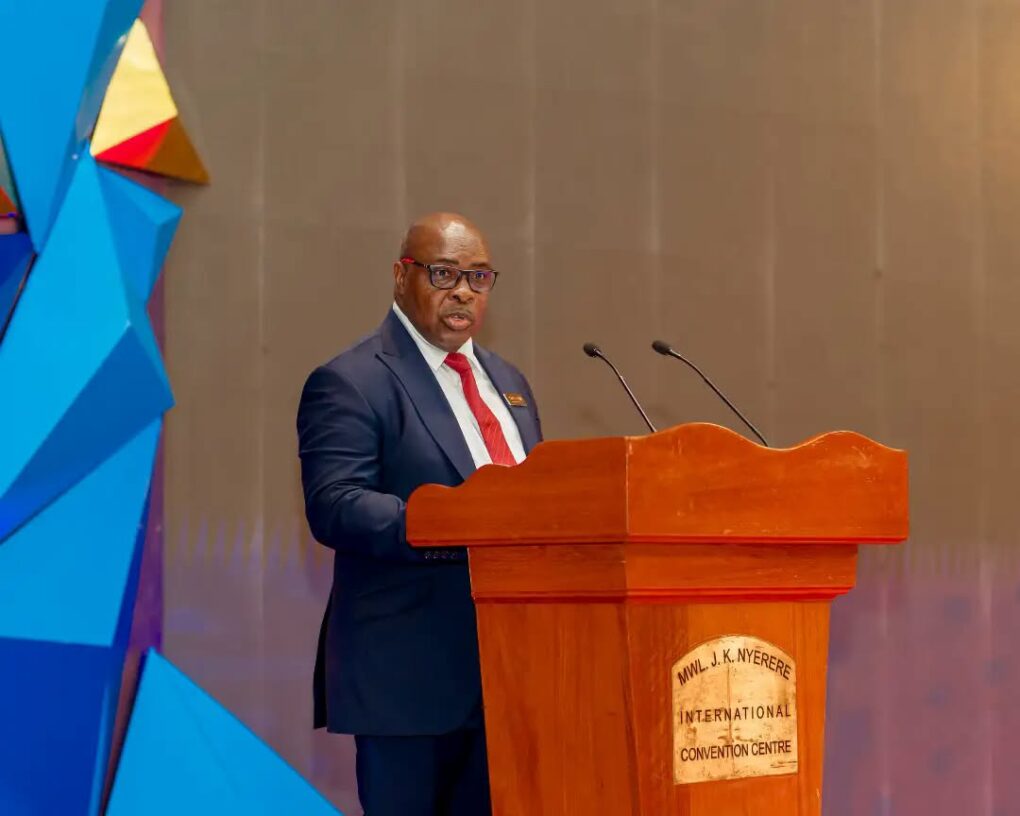
The policy was highlighted at the 7th Tanzania Mining and Investment Conference 2026, held under the theme, “Value-Added Minerals: The Engine of Industrial and Economic Growth.”
Delivering the keynote address on November 20, 2026, on behalf of the Minister for Lands and Natural Resources, Emmanuel Armah-Kofi Buah, the Ministry’s Chief Director, Innocent Marcus Haligah, emphasised the importance of transforming Africa’s mining industry through value addition and local manufacturing.
He explained that Ghana’s 2030 target would encourage investment in mineral beneficiation, expand domestic processing capacity, create jobs, strengthen local businesses and facilitate the transfer of modern mining technologies.

The initiative is also expected to increase Ghanaian participation in the mining value chain, supported by the country’s local content regulations, which seek to empower indigenous businesses and professionals in the mining industry.
Meanwhile, Lands and Natural Resources Minister Emmanuel Armah-Kofi Buah reiterated the government’s commitment to responsible and sustainable mining practices.
He highlighted the establishment of the National Anti-Illegal Mining Operations Secretariat (NAIMOS) and the Responsible Cooperative Mining and Skills Development Programme (RCOMSDEP) as key interventions aimed at strengthening mining regulation and promoting responsible mineral extraction.
According to the minister, RCOMSDEP has registered more than 9,000 miners as part of efforts to formalise small-scale mining activities and improve standards within the sector.
He further called on Tanzania and other African mineral-producing countries to strengthen regional cooperation, develop integrated mineral value chains and promote technology transfer to maximise the economic potential of their natural resources.
Mr. Haligah stressed that Africa must move away from the traditional practice of exporting raw materials and focus on building industries capable of processing minerals locally.
He maintained that the continent’s mineral wealth should translate into improved living standards, increased employment, stronger economies and sustainable development for its people.
The proposed ban on raw mineral exports by 2030 represents a significant step in Ghana’s industrialisation agenda, with local processing expected to play a central role in expanding the mining industry and increasing the country’s share of global mineral revenues.
Source: newsthemegh.com