
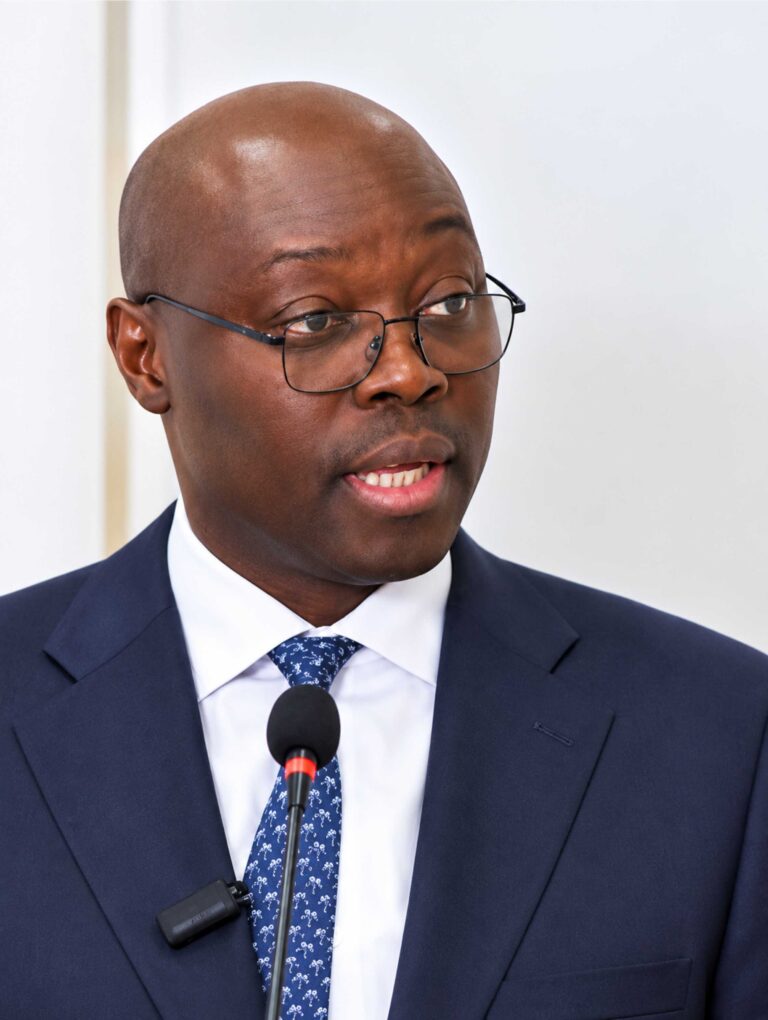
Ghana is set to invest US$200 million from January 2027 to prepare for the construction of its first state-owned nuclear power plant, Finance Minister Dr Cassiel Ato Forson has announced.
The investment will support a two-year nuclear power readiness programme designed to strengthen the country’s capacity to develop and operate nuclear energy infrastructure. The initiative will include specialised training for more than 2,000 scientists and the development of the technical, regulatory and institutional systems required for nuclear power generation.
Speaking in a video message, Dr Forson described the proposed nuclear power project as a major long-term investment in Ghana’s energy security, industrial development, job creation and economic transformation.
According to the Finance Minister, reliable and affordable electricity will be critical to expanding industrial production, attracting foreign investment and creating employment opportunities, particularly for Ghanaian youth.
He explained that although the project would take several years to complete, it would provide lasting benefits for future generations through a stable electricity supply, increased industrial activity and the expansion of manufacturing businesses.
Ghana Targets December 2028 for Nuclear Plant Construction Agreement
Dr Forson disclosed that the government is targeting December 2028 to sign an Engineering, Procurement and Construction (EPC) agreement for the proposed nuclear power facility.
The US$200 million preparatory investment is expected to establish the necessary foundations for the project and position Ghana to move into the construction phase.
He further emphasised that the proposed nuclear power plant would be fully owned by the Ghanaian state, ensuring that the strategic national energy asset remains under the ownership and control of the Ghanaian people.
The Finance Minister also assured Ghanaians that nuclear safety would be a major priority throughout the development process. He said the government would adopt a cautious, phased approach to ensure that all necessary safety standards and requirements were satisfied.
Mahama Government Draws Inspiration from Akosombo Dam
Dr Forson compared Ghana’s nuclear energy ambitions to the construction of the Akosombo Dam under the leadership of Ghana’s first President, Dr Kwame Nkrumah.
He noted that the Akosombo Dam had become a critical national infrastructure project, supplying electricity to generations of Ghanaians and supporting the country’s economic development.
The Finance Minister argued that the current generation of leaders must demonstrate similar foresight by investing in major infrastructure projects that will benefit the country for decades.
He maintained that Ghana must be prepared to undertake ambitious development projects today to secure a stronger economic future for its children.
Ghana Targets 2030 for First Nuclear Power Plant
The nuclear power readiness programme was announced during the presentation of the 2027 Budget Statement to Parliament on November 12, 2026.
The programme is expected to run from January 2027 to December 2028, culminating in an agreement covering the engineering, procurement, construction and financing of Ghana’s proposed nuclear power plant.
Dr Forson clarified that completing the preparatory programme in December 2028 would not mean the facility would immediately start producing electricity. Instead, it would enable the government to proceed with the construction agreement and subsequent stages of the project.
The government is targeting 2030 to integrate Ghana’s first nuclear power plant into the national electricity generation mix as part of efforts to diversify the country’s energy sources and strengthen long-term electricity supply.
The development follows President John Dramani Mahama’s announcement in October 2026 that Ghana had commenced discussions with Russia’s state-owned nuclear energy corporation, Rosatom, over plans to establish the country’s first nuclear power station.
The project is expected to play a significant role in Ghana’s long-term energy strategy, supporting industrialisation, economic growth, electricity reliability and the country’s ambition to become a competitive manufacturing and investment destination.
Source: newsthemegh.com