
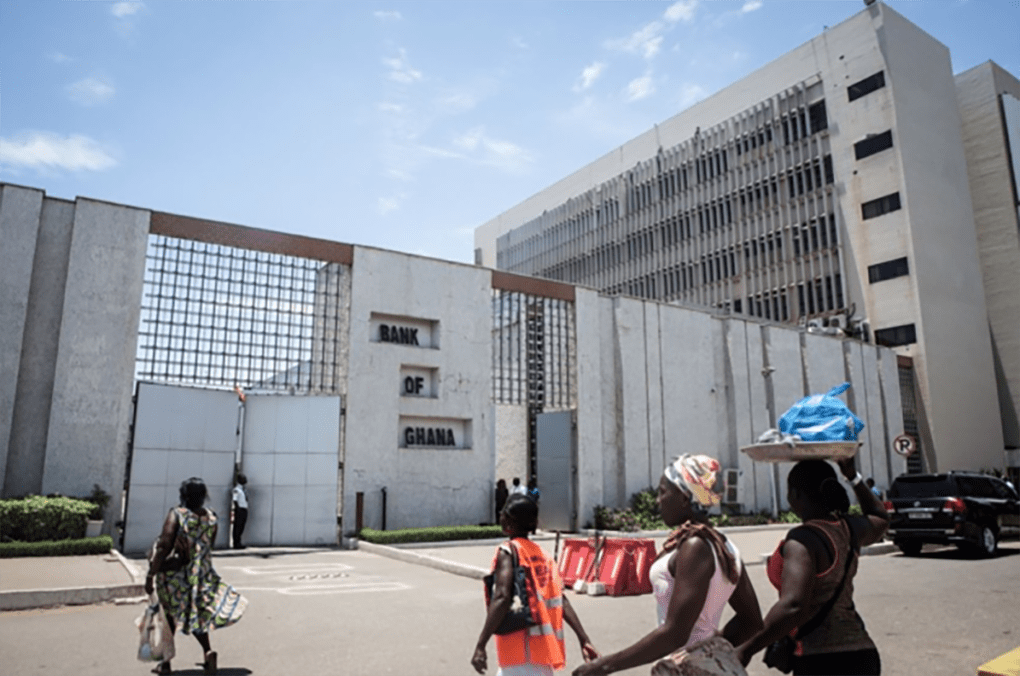
In December 2025, Ghana’s entire national debt amounted to GH¢641 billion. This is a slight month-on-month decrease from GH¢644.6 billion in November 2025.
The year-on-year (YoY) drop is more pronounced, decreasing from GH¢726.7 billion in December 2024, underlining the impact of ongoing debt restructuring and currency dynamics.
According to the Bank of Ghana’s Summary of Economic and Financial Data for the period ending March 2026, the stock decreased by GH¢82.1 billion from GH¢726.7 billion (61.8% of GDP) in December 2024 to GH¢641.0 billion (45.3% of GDP) in December 2025.
In terms of U.S. dollars, the debt profile reveals a different picture notwithstanding the decrease in cedi terms. From $57.2 billion in November and $49.4 billion in December 2024, Ghana’s total public debt increased to $61.3 billion in December 2025.
Exchange rate fluctuations are reflected in this gap, with the cedi closing the year at about GH¢10.45 to the dollar. Nevertheless, the debt-to-GDP ratio showed some improvement in fiscal consolidation, falling to 45.3% from 61.8% a year earlier.
The balance between domestic and foreign borrowing continued to exhibit divergent trends in the governmental debt composition.
In December 2025, external debt was GH¢307.2 billion ($29.4 billion). This is a significant decrease from GH¢416.8 billion in December 2024 to GH¢330.2 billion in November.
In monetary terms, nevertheless, it marginally increased from $29.3 billion the month before.
Domestic debt increased to GH¢333.8 billion from GH¢309.8 billion in December 2024 and GH¢314.5 billion in November 2025, indicating a persistent reliance on the domestic market for funding.
As the year came to a close, government income performance significantly improved.
In December 2025, total revenue and grants were 16.1% of GDP, up from 13.4% in November and somewhat higher than the 15.9% reported in December 2024.
With tax income accounting for 13.1% of GDP, domestic revenue continued to be the primary driver at 15.9%, highlighting the crucial role that tax mobilisation plays in fiscal recovery initiatives.
At 16.1% of GDP in December 2025, compared to 16.6% in December 2024, total spending was in line with revenue. At 1.4% of GDP, capital spending remained modest.
The entire cash-basis budget deficit decreased from 5.2% of GDP in December 2024 to 3.1%. Tighter budgetary restraint was also shown by the government’s primary surplus of 0.5% of GDP.
For the government, it was one of the biggest debt reductions in the nation’s history.
The growth in dollar-denominated debt emphasises persistent exchange rate risks, while the rise in domestic debt indicates ongoing pressure on local liquidity for the business community.
However, improvements in important metrics, such as the fiscal balance and debt-to-GDP ratio, indicate that Ghana’s fiscal reduction initiatives are succeeding.
Source: newsthemegh.com