
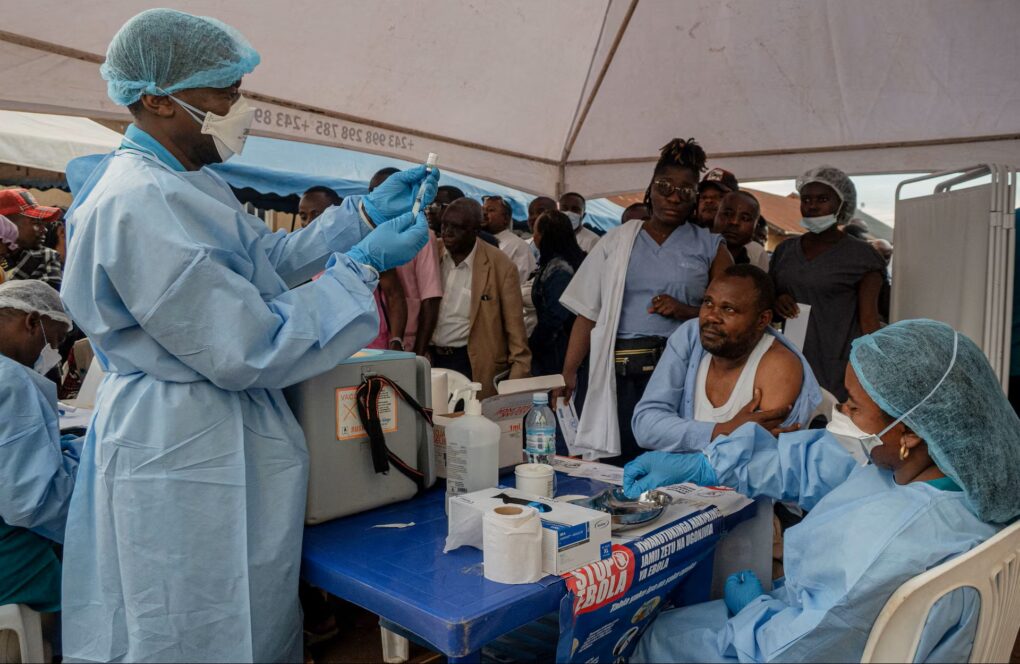
Nigeria has confirmed an Ebola case in a female patient who travelled from Uganda to Abuja, prompting health authorities to intensify disease surveillance and contact-tracing efforts to prevent further transmission.
Nigeria’s Health Minister, Muhammad Ali Pate, said laboratory tests confirmed the infection. The patient has been isolated in a hospital in Abuja, where she is receiving medical treatment.
Authorities have identified 44 close contacts of the patient and are monitoring the situation as part of efforts to contain the potential spread of the deadly virus.
Nigeria Intensifies Ebola Surveillance
Nigeria is the first West African country to report a case linked to the ongoing Ebola outbreak in East Africa, raising concerns about cross-border disease transmission.
The Nigeria Centre for Disease Control (NCDC) has strengthened health screening and surveillance measures, particularly for travellers arriving from countries experiencing Ebola transmission.
The agency has advised travellers to remain vigilant and seek immediate medical attention if they develop symptoms associated with Ebola. Some passengers arriving from affected countries may also be required to complete health declaration forms.
Nigeria previously contained an Ebola outbreak in 2014, demonstrating its capacity to respond to public health emergencies.
Ebola Outbreak Raises Regional Health Concerns
The current Ebola crisis has affected several African countries, including the Democratic Republic of Congo, Uganda and Kenya.
According to the information provided, the outbreak in the Democratic Republic of Congo has resulted in thousands of reported infections and deaths. The outbreak involves the Bundibugyo species of the Ebola virus, for which approved vaccines and specific treatments are not currently available.
Uganda also reported infections and deaths before declaring itself free of the disease in August following the discharge of its last patient. Kenya has reported additional infections, prompting concerns about regional transmission.
The United States has also advised its citizens to reconsider travel to Kenya because of health risks associated with the outbreak.
What to Know About Ebola Virus Disease
Ebola is a severe viral disease that spreads through direct contact with the blood or other bodily fluids of an infected person or someone who has died from the disease.
Symptoms may include fever, weakness, vomiting, diarrhoea and, in some cases, internal or external bleeding. Severe infections can lead to organ failure and death.
Health officials recommend prompt medical assessment for anyone who develops symptoms after possible exposure. Early isolation, contact-tracing and effective infection prevention measures are essential to controlling outbreaks.
Nigeria’s response will focus on monitoring the identified contacts, strengthening border health surveillance and preventing further transmission.
Disclaimer: This article summarises reported developments. For the latest official guidance, consult the Nigeria Centre for Disease Control and Prevention and the World Health Organization.
Source: newsthemegh.com