
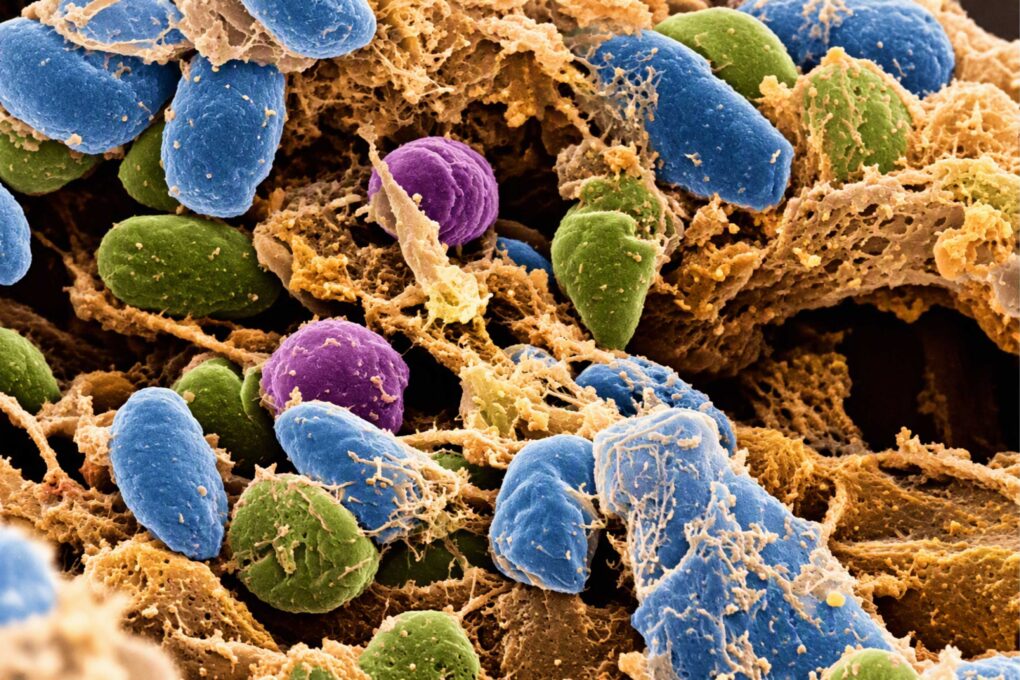
Pneumonic plague is a serious and potentially life-threatening form of plague that affects the lungs. It is caused by the bacterium Yersinia pestis, the same bacteria responsible for other forms of plague.
Unlike bubonic plague, which primarily affects the lymph nodes, pneumonic plague involves the respiratory system and can cause severe pneumonia. Without prompt antibiotic treatment, the disease can become fatal.
How Does Pneumonic Plague Spread?
Pneumonic plague can spread from person to person through respiratory droplets. An infected person can release bacteria into the air when coughing, sneezing or speaking, particularly when the infection has affected the lungs.
People who have prolonged, close contact with an individual suffering from pneumonic plague may be at risk of infection. The disease can also develop when Yersinia pestis enters the lungs through inhalation.
What Causes Pneumonic Plague?
The main cause of pneumonic plague is infection with Yersinia pestis. The bacteria can be transmitted through respiratory droplets from a person with pneumonic plague or, in some circumstances, through exposure to infected animals or their bodily fluids.
Plague bacteria are commonly associated with rodents and fleas, although pneumonic plague is particularly concerning because of its potential for respiratory transmission.
Symptoms of Pneumonic Plague
Common symptoms can develop rapidly and may include:
- Fever and chills
- Headache
- Weakness and fatigue
- Cough
- Shortness of breath
- Chest pain
- Difficulty breathing
- Bloody or watery sputum
Because pneumonic plague can progress quickly, people who develop severe respiratory symptoms after possible exposure should seek urgent medical attention.
Is Pneumonic Plague Treatable?
Yes. Pneumonic plague can be treated with antibiotics, especially when treatment begins early. Because the disease can progress rapidly and may be transmitted through respiratory droplets, suspected cases require immediate medical evaluation and appropriate public-health measures.
Pneumonic Plague vs Bubonic Plague
The major difference is the part of the body primarily affected. Bubonic plague usually affects the lymph nodes and is commonly associated with swollen and painful lymph nodes called buboes. Pneumonic plague affects the lungs and can spread between people through respiratory droplets.
Anyone who suspects exposure to pneumonic plague should contact a healthcare professional immediately rather than attempting to self-treat.
Source: newsthemegh.com