

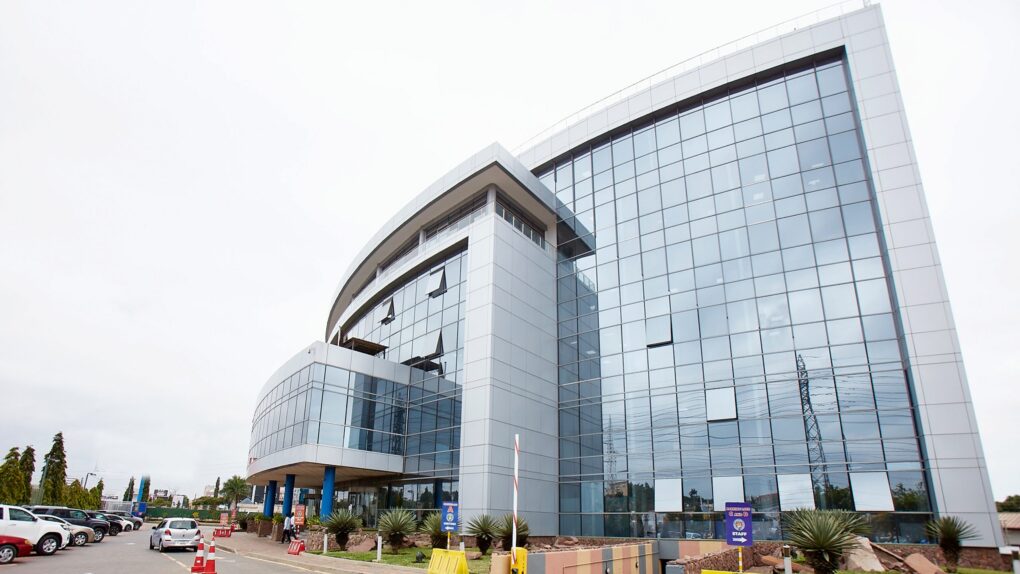
The National Petroleum Authority (NPA) has moved to allay public fears about future fuel shortages, assuring Ghanaians that the country has sufficient petroleum stockpiles despite growing Middle East tensions.
Abass Ibrahim Tasunti, Director of Economic Regulation and Planning at the NPA, stated on JoyNews on Sunday, March 1, that current fuel supplies are still sufficient.
“As of last Friday, we have diesel stocks to last us over five weeks. Roughly, it will last us up to 5.3 weeks. And then for petrol, we have almost 6.8 weeks to last,” Mr Tasunti explained.
He explained that the Authority’s regular responsibility to ensure a continuous fuel supply includes these storage levels, which are not a response to the current crisis.
“Even without this war, we always ensure that we have a plan to make petroleum products available for consumers in the country. So this is not something that is being done because of the war, but it is something we do regularly. It is one of NPA’s major mandates,” he clarified.
He claims that while domestic production also augments supply, the Authority is in charge of monitoring the daily release of petroleum products that are imported.
He pointed out that since June 2025, the Sentuo oil refinery has been continuously producing and supplying the market with petroleum goods. Furthermore, liquefied petroleum gas (LPG) is still produced and distributed by the Atuabo Gas Processing Plant.
Mr Tasunti further disclosed that a number of ships, including two loads of fuel and two loads of petrol, are presently waiting to unload at the Tema anchorage, and that more imports are being planned.
As a net importer of petroleum products, Ghana will unavoidably be affected by interruptions in the global oil market, the NPA recognised while reassuring the public that supplies would remain stable.
The Chamber of Petroleum Consumers (COPEC) has also issued a warning that the ongoing Middle East conflict may have an impact on prices in the upcoming weeks.
Traders are already taking geopolitical concerns into account when setting future cargo prices, Executive Secretary Duncan Amoah warned.
“If I was a trader and I woke up tomorrow to have to put stock on the market, I would definitely bear in mind the fact that these hostilities or tensions prevailing within the Middle East could affect the next cargo consignment that I get down here,” he said.
His remarks come after tensions near the Strait of Hormuz, a vital international oil transit route, caused disruptions that caused crude prices to spike to over $91 per barrel.
Source: newsthemegh.com