
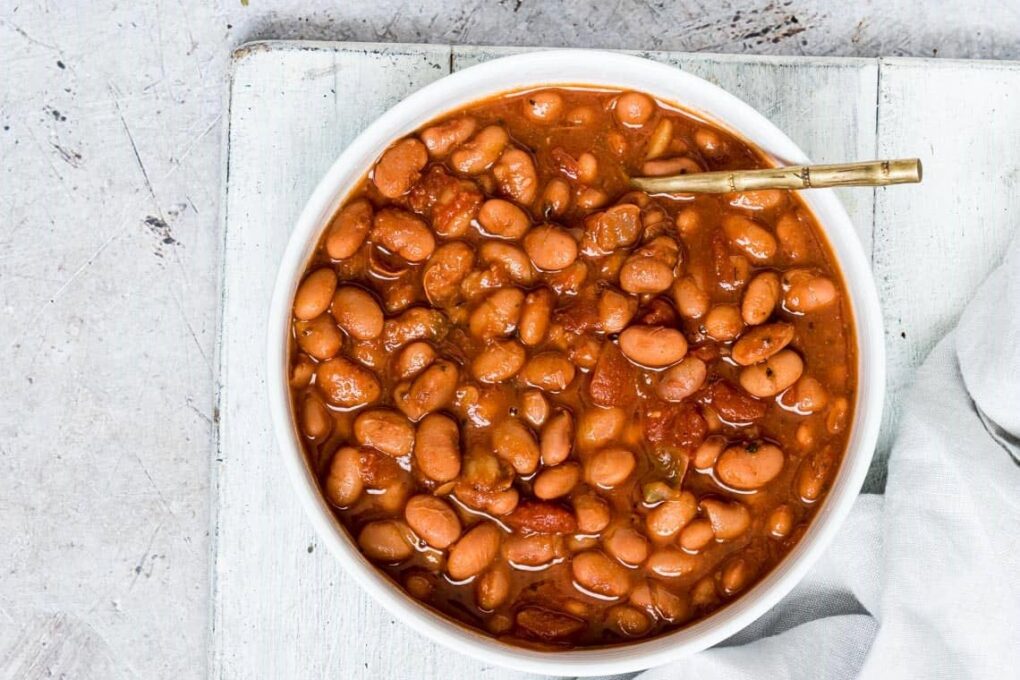
Beans are a nutritious and affordable source of plant-based protein, dietary fibre, vitamins and minerals.
However, some people experience bloating, gas and digestive discomfort after eating beans. Proper preparation and cooking can help improve their digestibility and make them easier to enjoy as part of a balanced diet.
How to Prepare Beans for Better Digestion
Soaking dried beans before cooking is a common food preparation method that helps reduce cooking time and may lower certain antinutrients, including some phytates. Beans also contain complex carbohydrates that can cause gas when they are fermented by bacteria in the large intestine.
Although beans do not directly cause stomach ulcers or gastritis, they may worsen digestive discomfort in some people who already have gastrointestinal conditions. Proper preparation can help reduce some of these symptoms, but individual responses vary.
Step-by-Step Guide to Cooking Beans
Follow these practical steps to prepare beans safely and improve their texture and digestibility.
1. Rinse and soak the beans
Wash the dried beans thoroughly under clean running water. Soak them in plenty of water for approximately 8–12 hours, preferably in the refrigerator. Soaking can help soften the beans and reduce cooking time.
2. Drain and rinse the soaked beans
Discard the soaking water and rinse the beans with fresh water before cooking.
3. Boil the beans thoroughly
Place the beans in a pot, cover them with fresh water and bring them to a rolling boil. Continue cooking until they are completely tender, following the recommended cooking instructions for the bean variety. Cooking time varies, so boiling for six hours is generally unnecessary.
Never eat raw or undercooked kidney beans, as they contain a natural toxin called phytohaemagglutinin. Kidney beans require vigorous boiling for at least 10 minutes, followed by further cooking until tender.
4. Add vegetables and seasonings
You can add carrots, spring onions, garlic, ginger and other preferred seasonings to enhance the flavour and nutritional value of your beans. Remove any vegetables you do not wish to serve.
5. Prepare a nutritious bean meal
Once the beans are fully cooked, combine them with vegetables, spices and a moderate amount of coconut oil or another cooking oil of your choice. Traditional alkaline salts should be used cautiously because excessive amounts may increase sodium intake.
6. Store beans safely
Refrigerate cooked beans promptly in clean, covered containers and consume them within three to four days, or freeze them for longer storage. Do not leave cooked beans at room temperature for extended periods.
Home fermentation should only be attempted with a tested, food-safe recipe that specifies the correct salt concentration, acidity and storage conditions. Simply placing cooked beans in glass jars for seven days does not guarantee safe fermentation.
Health Benefits of Eating Beans
Beans provide several nutritional benefits when included in a balanced diet.
- Plant-based protein: Supports muscle maintenance and normal body functions.
- Dietary fibre: Helps promote regular bowel movements and supports digestive health.
- Essential minerals: Beans provide nutrients such as iron, magnesium, potassium and folate, depending on the variety.
- Heart health: Their fibre and overall nutrient profile can support a heart-healthy eating pattern.
- Blood sugar management: The combination of fibre, protein and complex carbohydrates can help support more gradual blood glucose responses.
- Affordable nutrition: Beans are a budget-friendly food that can help families meet their daily nutritional needs.
How to Reduce Gas and Bloating After Eating Beans
If you regularly experience stomach gas after eating beans, try the following measures:
- Soak dried beans and discard the soaking water before cooking.
- Cook beans thoroughly until they are soft and tender.
- Start with smaller portions and increase them gradually as tolerated.
- Drink sufficient water and maintain a balanced, fibre-rich diet.
- Try different varieties of beans to identify which ones you tolerate best.
Soaking and cooking can reduce some compounds that interfere with digestion, but they do not eliminate every antinutrient or guarantee that beans will never cause bloating.
Important health note: There is no strong scientific evidence that soaking beans for 12 hours eliminates all harmful compounds, prevents ulcers or gastritis, or guarantees the removal of gas-producing carbohydrates. If you experience persistent abdominal pain, severe bloating or ongoing digestive problems, consult a qualified healthcare professional.
Conclusion
Beans remain an excellent source of affordable protein, fibre and essential nutrients. By soaking dried beans, discarding the soaking water, cooking them thoroughly and eating portions that suit your digestive system, you can enjoy their nutritional benefits while potentially reducing gas and bloating.
Source: newsthemegh.com