
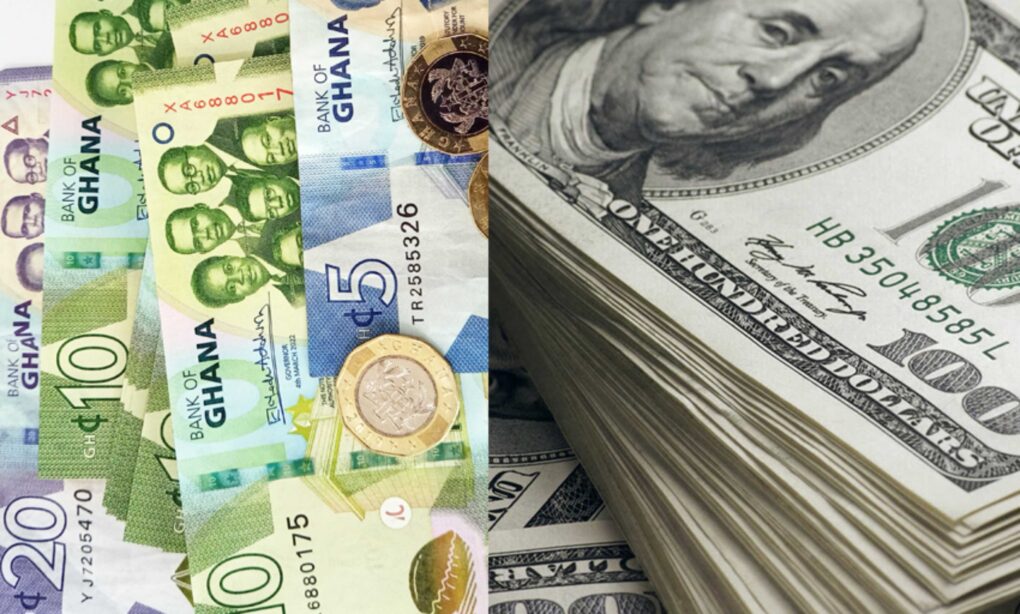
The Ghana cedi recorded a slight depreciation against the US dollar, British pound and euro in the latest available Bank of Ghana (BoG) interbank exchange rates for Thursday, October 8, and Friday, October 9, 2026.
The British pound registered the biggest increase in its exchange rate against the local currency during the period.
The latest Ghana cedi exchange rate movements could have implications for importers, businesses, travellers and individuals who rely on foreign currencies to pay for goods and services.
US Dollar Exchange Rate Rises Against the Ghana Cedi
According to the Bank of Ghana’s interbank exchange rate data, the average US dollar rate increased from GH¢11.7800 on Thursday, October 8, to GH¢11.7900 on Friday, October 9, 2026.
This represents an increase of GH¢0.0100, indicating a marginal weakening of the Ghana cedi against the US dollar.
The movement means individuals and businesses purchasing US dollars may need slightly more Ghana cedis to obtain the same amount of foreign currency. Importers who pay for goods in dollars could also experience a modest increase in their costs if the change is reflected in the rates applied to their transactions.
British Pound Records the Largest Increase
The British pound recorded the largest exchange rate increase against the Ghana cedi among the three major foreign currencies monitored.
The pound’s average interbank rate rose from GH¢15.5585 on October 8 to GH¢15.5970 on October 9, 2026, representing an increase of GH¢0.0385.
The rise could make pound-denominated payments more expensive for Ghanaian businesses and individuals. Importers purchasing goods from the United Kingdom, as well as people paying overseas tuition fees, travel expenses and other international bills in pounds, may face higher currency conversion costs.
The development comes amid discussions about the performance of the Ghana cedi against major international currencies and its implications for the country’s economy.
Euro Exchange Rate Also Increases
The euro also strengthened against the Ghana cedi during the period under review.
Bank of Ghana figures show that the average interbank euro rate increased from GH¢13.1824 on Thursday, October 8, to GH¢13.1977 on Friday, October 9, 2026.
The GH¢0.0153 increase could raise the cost of euro-denominated transactions for businesses and individuals who purchase goods, pay service providers or meet financial obligations in the eurozone.
For Ghanaian importers, sustained increases in foreign exchange rates could affect the cost of importing machinery, consumer products, industrial materials and other goods priced in euros.
What the Latest Cedi Depreciation Means for Ghana’s Economy
The latest exchange rate movements indicate a modest weakening of the Ghana cedi against the US dollar, British pound and euro over the period.
If the trend continues, businesses that depend heavily on imported goods and services could face higher operating expenses. Depending on how businesses respond, these additional costs could eventually affect wholesale and retail prices, potentially increasing the financial burden on consumers.
A weaker cedi can also make international travel, overseas education and foreign currency payments more expensive for Ghanaians. However, the extent of the impact will depend on market conditions, import costs, business pricing decisions and the speed at which exchange rate movements are passed on to consumers.
The actual effect on inflation and household spending cannot be determined from a single day’s exchange rate movement.
Bank of Ghana Interbank Rates Versus Forex Bureau Rates
The Bank of Ghana’s published figures represent average interbank exchange rates associated with transactions between commercial banks. These rates may differ from the buying and selling rates offered to customers by individual banks and licensed foreign exchange bureaux.
Consequently, individuals looking for the latest Ghana cedi exchange rate should compare the applicable rates and transaction charges before buying or selling foreign currency.
The interbank figures provide an important reference for monitoring the performance of the Ghana cedi against major international currencies, although actual customer rates may vary across financial institutions.
Source: newsthemegh.com