
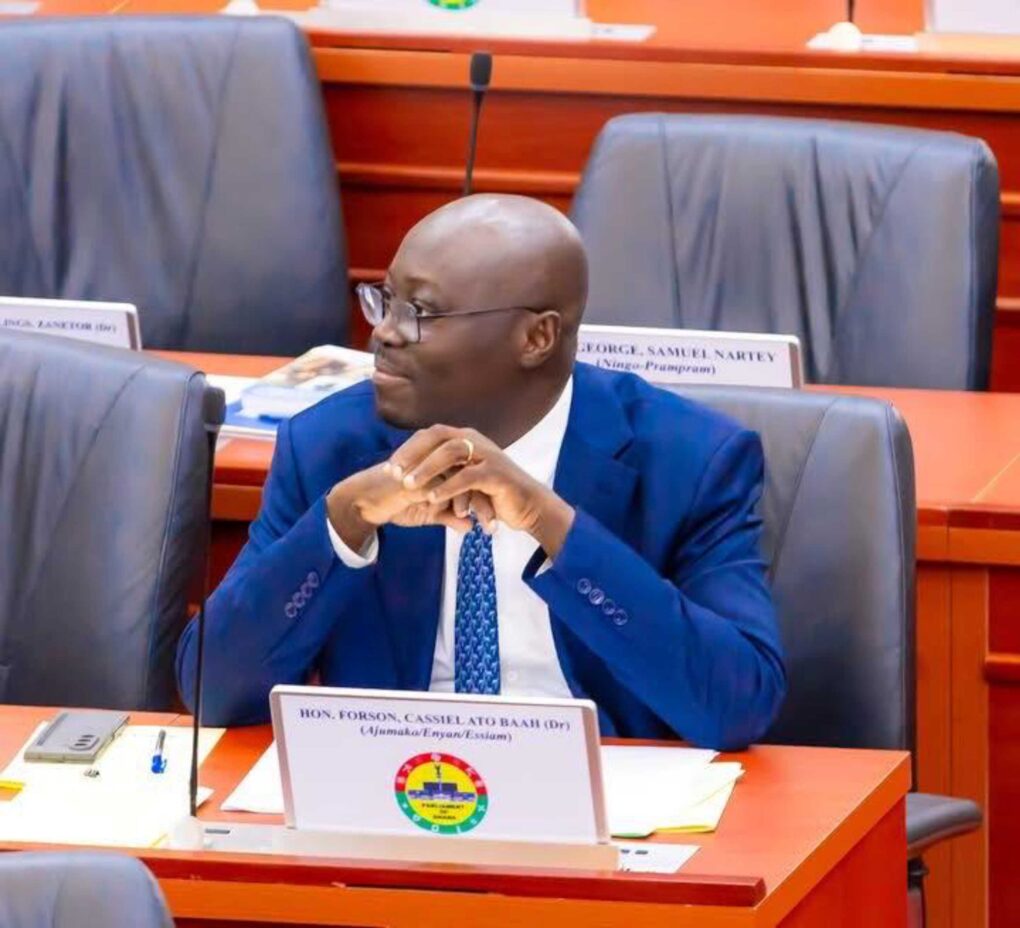
Ghana is aiming to secure an investment-grade sovereign credit rating under the government’s New Economy programme as part of efforts to reduce borrowing costs, attract international investors and improve access to long-term financing for businesses.
Finance Minister Dr Cassiel Ato Forson says restoring macroeconomic stability and strengthening investor confidence will be essential to rebuilding Ghana’s domestic bond market and creating opportunities for local businesses to raise funds through corporate bonds.
Speaking at a New Economy engagement in Accra, Dr Forson explained that Ghana’s 2022 debt default and the subsequent Domestic Debt Exchange Programme (DDEP) significantly affected the country’s domestic bond market.
He noted that the developments also limited the ability of local banks to access international financial markets, creating challenges for businesses seeking long-term financing.
According to the Finance Minister, Ghana’s improving credit profile has helped restore some access to international funding. However, the government is working towards achieving investment-grade status to attract more investors and improve the country’s borrowing conditions.
“When we get to investment grade, you would have laid the foundation for corporate bonds and others to take off,” Dr Forson stated.
Investment-Grade Rating Could Reduce Ghana’s Borrowing Costs
Dr Forson emphasised that achieving an investment-grade credit rating would depend on maintaining a stable and predictable economic environment supported by credible fiscal and monetary policies.
An investment-grade sovereign rating generally indicates that a country’s ability to repay its debt obligations is considered relatively strong by credit rating agencies.
Such a rating could make Ghana more attractive to institutional investors, including pension funds, insurance companies and other investment institutions whose investment policies require securities to meet specific credit rating standards.
The government expects an improved credit rating to broaden Ghana’s access to international capital markets and potentially reduce the cost of borrowing.
Ghana’s Bond Market and Corporate Financing
The Finance Minister explained that restoring confidence in Ghana’s sovereign creditworthiness would also create opportunities for private-sector businesses to access funding through corporate bonds.
A stronger domestic bond market could provide companies with alternative sources of financing beyond traditional bank loans.
This would allow businesses to raise long-term capital to support expansion, infrastructure development, industrial growth and other investment activities.
The development of a vibrant corporate bond market is therefore considered an important component of the government’s strategy to strengthen private-sector participation in Ghana’s economic transformation.
New Economy Programme Seeks to Strengthen Investor Confidence
Dr Forson said the government’s New Economy programme is designed to establish sustainable macroeconomic conditions, improve Ghana’s standing in international financial markets and encourage greater private-sector investment.
The programme places emphasis on economic stability, credible policy implementation and restoring confidence among domestic and international investors.
The government’s investment-grade ambition is expected to support efforts to rebuild the domestic bond market, attract long-term investment capital and create more favourable financing conditions for Ghanaian businesses.
If achieved, the improved sovereign credit standing could strengthen Ghana’s financial market development and support sustainable economic growth.
Source: newsthemegh.com