
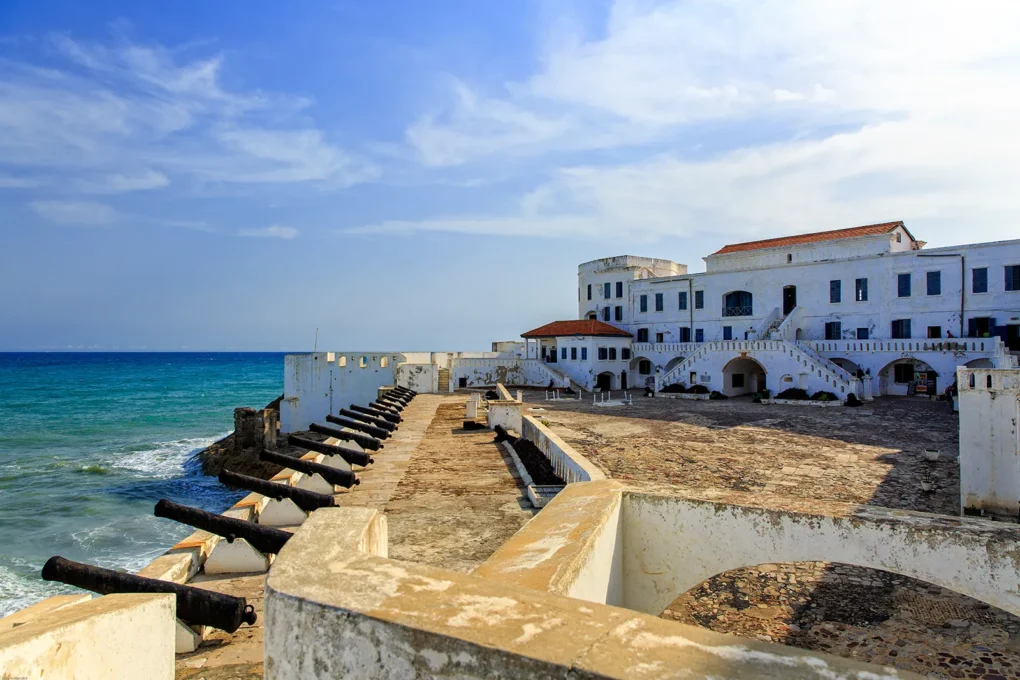
The main museum gallery at the historic Cape Coast Castle in Ghana’s Central Region has remained closed for seven years following extensive deterioration, raising concerns about the impact on heritage tourism and the preservation of Ghana’s cultural history.
The facility, popularly known as the West Africa Museum Project, was temporarily shut for seven months during the COVID-19 pandemic, which disrupted tourism activities and operations at the historic landmark.
However, when the gallery was eventually reopened, authorities discovered that termites had destroyed several exhibition panels and damaged other historical artefacts. The discovery forced management to close the facility again to allow for renovation works.
Despite the passage of seven years, the museum gallery remains locked, with no significant rehabilitation undertaken to restore it to full operation.
Established in 1994, the museum plays an important role in preserving and showcasing African history, offering visitors valuable information about the continent’s pre-colonial and colonial experiences.
Its exhibitions cover the prehistoric lifestyle of Africans, the Stone Age and Iron Age periods, the arrival of Europeans, colonial rule, political struggles, traditional governance systems and chieftaincy institutions.
The gallery also highlights Ghanaian and West African cultural heritage, including traditional festivals, funeral ceremonies, occupations and other indigenous practices.
Cape Coast Castle Museum Closure Affects Tourism
The Central Regional Office of the Ghana Museums and Monuments Board (GMMB), which manages the Cape Coast and Elmina Castles, has described the prolonged closure as a major setback to tourism development.
According to the Board, the museum gallery was one of the important attractions for international visitors seeking a deeper understanding of Ghana’s history and the transatlantic slave trade.
The GMMB has therefore called for urgent rehabilitation and the reopening of the facility to restore the complete historical experience associated with visits to Cape Coast Castle.
Speaking to the Ghana News Agency, Robert Morgan Mensah, Head of the Education Department of the GMMB, said the closure had deprived tourists of access to an important part of the castle’s historical and educational attractions.
He explained that visitors could no longer explore several historical exhibitions that previously helped them understand the cultural, political and social development of Ghana and West Africa.
Mr Mensah disclosed that the gallery had not undergone the necessary renovation since the damage was discovered.
He recalled that a renovation budget was prepared approximately two years ago, but significant progress had yet to be made towards reopening the facility.
Authorities are reportedly considering whether to undertake a conventional renovation or completely overhaul the museum gallery.
Funding Challenges Delay Cape Coast and Elmina Castle Renovations
The GMMB has identified financial constraints as one of the major obstacles affecting the maintenance and rehabilitation of heritage sites in the Central Region.
Mr Mensah explained that revenue generated from tourism activities at Cape Coast and Elmina Castles is transferred to Accra under the Consolidated Fund arrangement.
This financial structure sometimes makes it difficult for local management to access the funds required for routine maintenance, infrastructure rehabilitation and other operational activities.
He appealed to the government and relevant authorities to allow the management of the castles to retain a portion of the revenue generated from visitors.
According to him, such an arrangement would provide additional financial resources to support maintenance, improve visitor services and protect Ghana’s historic monuments.
GMMB Appeals for Recruitment of More Workers
Beyond funding, the Board is also facing staff shortages, which are putting additional pressure on its operations.
Mr Mensah called on the government to recruit more qualified personnel to strengthen the GMMB’s education, museum, monument, security and administrative departments.
He explained that the need for additional staff had become more urgent following the extension of the castle’s operating hours from 4:30 p.m. to 10:00 p.m.
The extended closing time is intended to accommodate tourists and other visitors interested in experiencing the historic castle through evening tours.
Despite the operational challenges, Mr Mensah said the Education Department was prepared to receive visitors during the Christmas tourism season.
He disclosed that service personnel, interns and other staff had undergone training to improve their capacity to provide effective guided tours and quality visitor experiences.
Cape Coast Castle Records 140,209 Visitors in 2025
Meanwhile, domestic tourism at Cape Coast Castle continues to record significant growth, with Ghanaian visitors accounting for approximately 74 per cent of the 140,209 people who visited the historic site in 2025.
This represented an increase from the 123,000 visitors recorded in 2024.
Mr Mensah further revealed that the castle had welcomed approximately 93,000 visitors as of November 20, 2026, with management targeting more than 100,000 visitors before the end of November.
He attributed the growing interest in Ghana’s historical attractions partly to increased public awareness of domestic tourism and the inclusion of heritage sites in educational and recreational programmes.
Schools, corporate organisations and individuals have increasingly incorporated visits to historic landmarks into their learning, leisure and cultural activities.
The growing visitor numbers highlight the importance of Cape Coast Castle as a major tourism destination and a significant part of Ghana’s cultural heritage.
However, stakeholders believe that rehabilitating the closed museum gallery, improving funding arrangements and recruiting additional staff will be essential to preserving the historic site and strengthening Ghana’s tourism industry.
Source: newsthemegh.com