
The government of Ghana is targeting the creation of 80,000 direct jobs through the establishment of garment factories in four regions, as part of a broader strategy to expand the country’s textile and apparel industry, promote local manufacturing and increase export earnings.
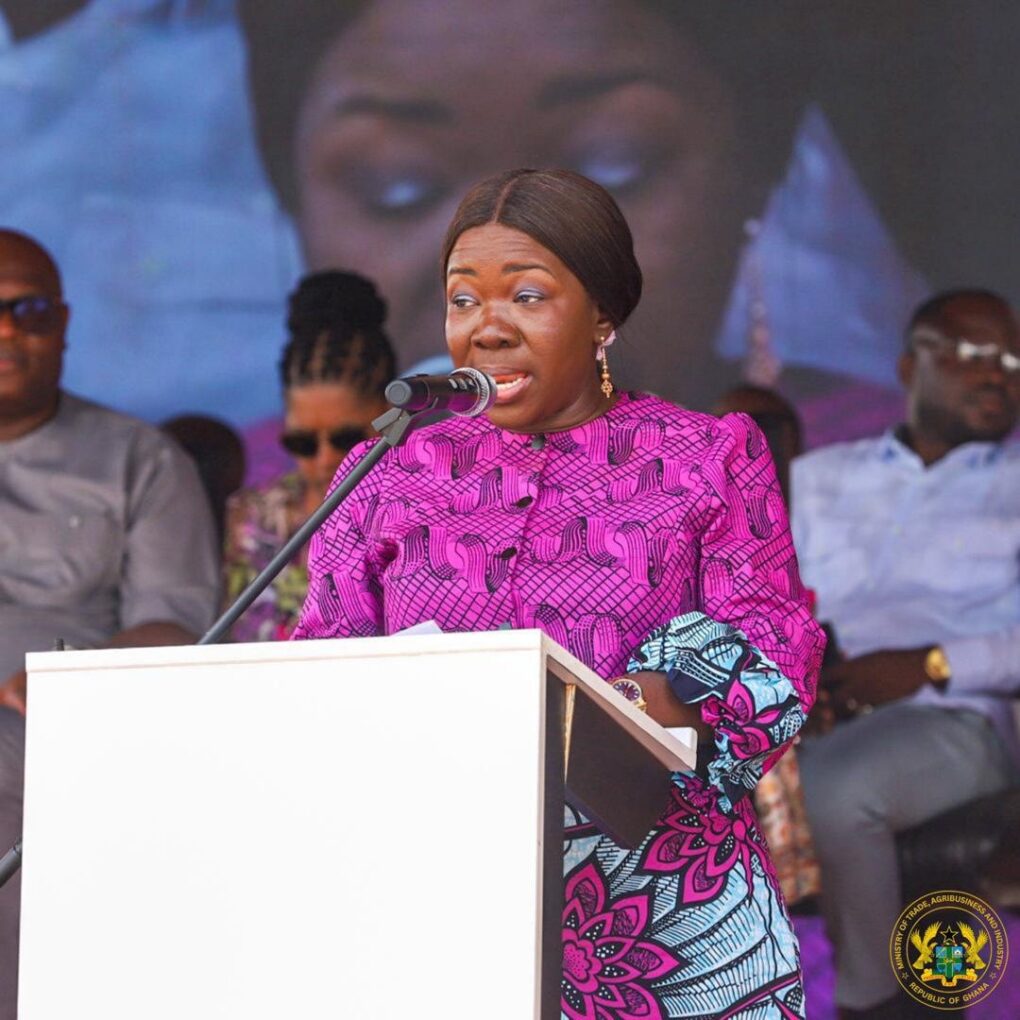
Minister of Trade, Agribusiness and Industry, Elizabeth Ofosu-Adjare, said the initiative would provide employment opportunities, particularly for young people and women, while strengthening the competitiveness of Ghanaian garment producers in international markets.
She disclosed this during a bilateral meeting on the opening day of the Sixth German-African Business Summit in Accra, where she outlined the government’s plans to develop the garment manufacturing sector.
According to the minister, the garment factory initiative forms part of an approved sector policy being implemented by her ministry, with a projected 80,000 direct jobs expected to be created.
Ofosu-Adjare said the government intended to build on the experience of North Shore, which she noted had generated a significant number of jobs within just two months of starting operations.
She explained that the pilot initiative would help local garment manufacturers improve production capacity, satisfy international buyers’ standards and secure larger export contracts.
The minister stressed that attracting international buyers and obtaining substantial export orders would be important to the growth of Ghana’s textile and garment industry.
Government Plans Business Regulatory Reforms
Beyond job creation in the garment sector, Ofosu-Adjare also highlighted government efforts to improve Ghana’s business environment by reducing regulatory barriers affecting businesses and investors.
She revealed that the Ministry of Trade, Agribusiness and Industry had developed a proposed Business Regulatory Reform Bill to address overlapping regulatory requirements, reduce administrative delays and make it easier for investors to operate in Ghana.
The proposed legislation is expected to complement the Ghana Investment Promotion Authority Act, 2026, which the minister said had simplified the process for investors seeking to enter the Ghanaian market.
She further expressed optimism that cooperation with the World Bank Group and the International Finance Corporation (IFC) would provide the necessary support for relevant institutions to implement the proposed reforms effectively and consistently.
The government’s garment factory programme and business regulatory reforms form part of efforts to attract investment, expand industrial production, create employment and strengthen Ghana’s export competitiveness.
Source: newsthemegh.com