
The Ministry of Health (MoH) has stepped up efforts to tackle maternal mortality in Ghana, with the Ashanti Region identified as a key focus in the national campaign to prevent avoidable maternal deaths.
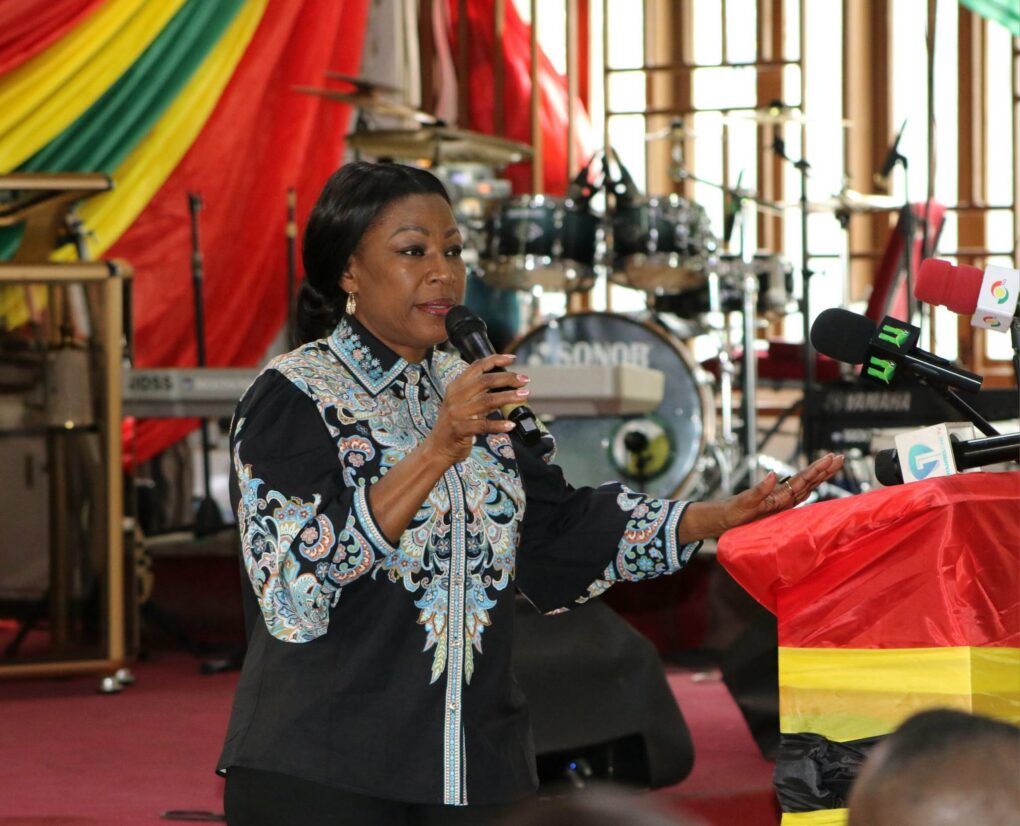
Deputy Minister for Health, Hon. Dr Grace Ayensu Dankwah, has called for urgent and coordinated action to improve maternal healthcare services and reduce the number of women dying from pregnancy-related complications.
She made the call during a two-day official visit to the Ashanti Region as part of Phase Three of the Maternal Mortality Action and Response Programme (MMARP).
The programme is being implemented by the Ministry of Health to assess challenges affecting maternal health delivery and develop a National Roadmap for Reducing Maternal Mortality in Ghana.

The assessment is focused on identifying gaps in maternal healthcare, referral systems, emergency obstetric care, community-level challenges and the commitments required from key stakeholders to improve maternal health outcomes.
At the Ashanti Regional Health Directorate, Dr Ayensu Dankwah met the Regional Director of Health Services, Dr Fred Adomako Boateng, members of the Senior Management Committee, district health directors, medical directors, medical superintendents and other health officials.
Ghana Records 986 Maternal Deaths in 2024
Dr Ayensu Dankwah disclosed that 986 women died from maternal causes in Ghana in 2024, resulting in a maternal mortality ratio of 235 deaths per 100,000 live births.
She noted that maternal mortality remains a major concern across 11 regions, with the Ashanti Region recording the highest number of maternal deaths.
According to the Deputy Health Minister, maternal mortality is an important indicator of the effectiveness and responsiveness of Ghana’s healthcare system.
She therefore urged government agencies, health professionals, traditional and religious leaders, communities and other stakeholders to work together to develop and implement a practical strategy for reducing preventable maternal deaths.
Ashanti Region Faces Major Referral Challenges
Ashanti Regional Minister, Dr Frank Amoakohene, said the region faces a significant referral burden because it receives complicated medical cases from neighbouring regions and districts.
Many of these cases are referred to the Komfo Anokye Teaching Hospital, placing considerable pressure on the major referral facility.
Dr Amoakohene called for the construction and upgrading of sub-regional hospitals and other health facilities to improve access to emergency obstetric care and reduce delays in treating pregnant women with complications.
He also disclosed that 73 health facilities are expected to be constructed across the Ashanti Region as part of efforts to expand access to healthcare services.
The Regional Minister further advocated increased training for traditional birth attendants so they can better support maternal health interventions and help identify and refer high-risk pregnancies at the community level.

Stakeholders Commit to Reducing Preventable Maternal Deaths
The Deputy Minister also engaged Metropolitan, Municipal and District Chief Executives (MMDCEs), traditional and religious leaders, representatives of public and private health facilities, the Christian Health Association of Ghana (CHAG) and other stakeholders at the Ashanti Regional Coordinating Council.
The engagement provided an opportunity to identify local barriers to quality maternal healthcare and strengthen collaboration among stakeholders.
The findings from the Ashanti Region assessment are expected to contribute to the development of a comprehensive national roadmap aimed at accelerating efforts to reduce maternal mortality in Ghana, improve emergency obstetric services and ensure safer pregnancy and childbirth for women across the country.
Source: newsthemegh.com