
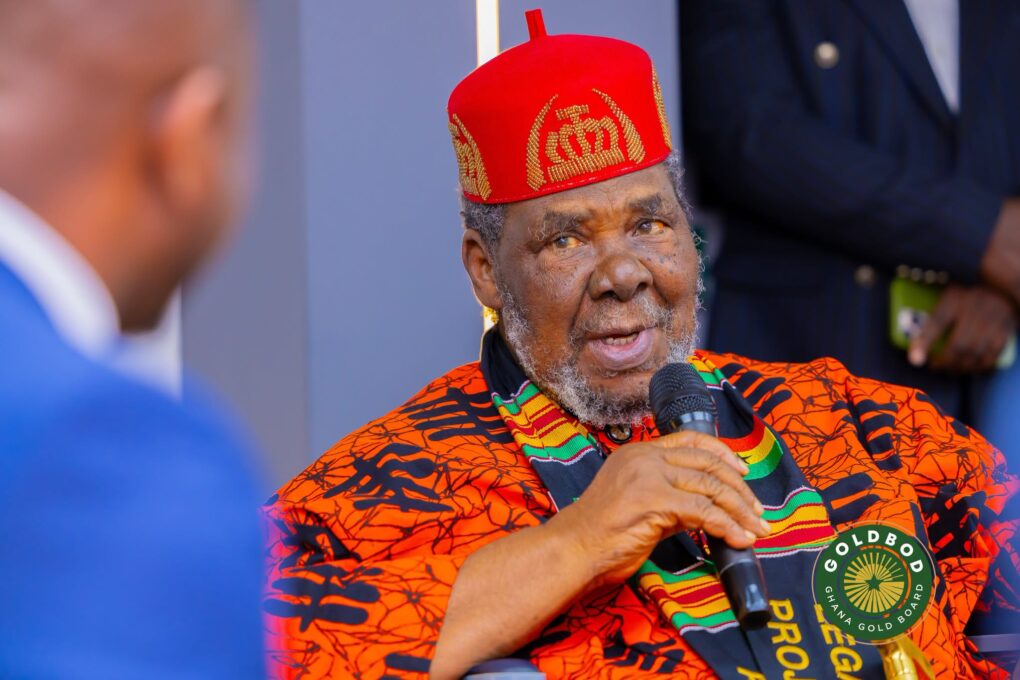
Veteran Nollywood actor Pete Edochie has described Chinua Achebe’s classic novel, Things Fall Apart, as the greatest African book ever written, praising its powerful portrayal of African history, culture and identity.
Speaking in a recent interview with TV3, the legendary Nigerian actor explained that the novel’s enduring popularity stems from its commitment to telling the African story from an African perspective.
According to Edochie, Things Fall Apart, published in 1958, has earned its place as one of Africa’s most influential literary works because it presents the experiences, traditions and realities of African people rather than focusing on the perspectives of colonial powers.
He argued that the book might not have achieved the same level of international recognition if it had centred on the experiences of European colonisers instead of African communities.
Pete Edochie Explains Why ‘Things Fall Apart’ Remains an African Literary Classic
Edochie maintained that although several African writers have made significant contributions to literature since the publication of Things Fall Apart, few works have matched its strength and cultural impact.
He emphasised that the novel stands out because it gives Africans an opportunity to see their experiences, traditions and history represented in literature.
The actor’s comments highlight the lasting influence of Chinua Achebe’s work on African literature and its contribution to global discussions about colonialism, cultural identity and indigenous traditions.
Since its publication, Things Fall Apart has become a landmark in African literature and is widely studied for its depiction of Igbo society and the effects of British colonial rule in Nigeria.
Edochie’s assessment reinforces the importance of preserving African narratives and ensuring that the continent’s history and cultural experiences remain central to its literary and creative output.
Nollywood Legend Urges African Writers to Tell African Stories
The veteran actor called on African writers, filmmakers and other creatives to prioritise stories rooted in African experiences, traditions and cultural values.
He argued that authentic African storytelling represents a unique strength that can help African creatives distinguish themselves in the international entertainment and publishing industries.
According to Edochie, African writers and filmmakers have a responsibility to showcase the continent’s diverse cultures, histories and identities instead of relying excessively on foreign influences.
He expressed concern that African creative talent was increasingly being overshadowed by overseas cultural influences, warning that the trend could weaken the visibility of indigenous identities.
The actor’s remarks have renewed attention to the importance of cultural representation in African literature, Nollywood movies and the wider entertainment industry.
Pete Edochie Reflects on African Identity and Cultural Heritage
Edochie also shared a personal experience about cultural identity, recalling a period when people called him Elvis Presley and John Wayne, after the famous American entertainers.
He said he initially enjoyed answering those names but eventually decided to embrace an identity that better reflected his African roots.
The actor explained that he later returned to a culturally relevant name, Uwadiegwu, as part of his decision to reconnect with his heritage.
His reflection underscored his belief that Africans should take pride in their identities, traditions and cultural backgrounds rather than allowing foreign influences to define them.
For Edochie, embracing African identity is closely connected to the need for African creatives to tell their own stories and preserve the continent’s cultural heritage for future generations.
Why ‘Things Fall Apart’ Remains Important to African Literature
Chinua Achebe’s Things Fall Apart remains one of the most recognised works of African fiction, exploring traditional Igbo society and the profound changes brought about by colonialism and Christian missionary activity.
The novel’s international reach has helped introduce readers around the world to African cultural experiences and perspectives, strengthening the place of African literature in global literary discussions.
Edochie’s comments serve as a reminder that African storytelling is not only a form of entertainment but also a means of preserving history, expressing identity and challenging stereotypes.
As African writers, filmmakers and cultural practitioners continue to reach international audiences, the debate over cultural representation and creative independence remains relevant to the future of African literature and entertainment.
Source: newsthemegh.com