

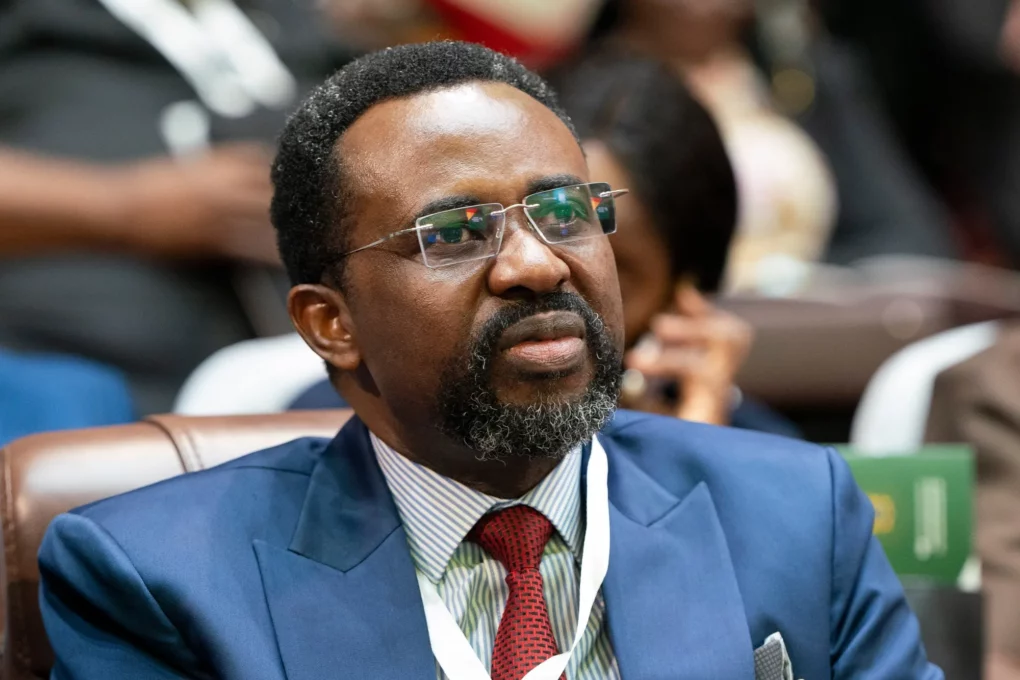
Real sector indicators and current economic data all point to a recovery in economic activity, according to Dr. Johnson Asiama, governor of the Bank of Ghana.
He added that the growth prognosis was still generally positive.
At the 9th Ghana CEO Summit and Expo in Accra on Monday, the governor stated that exports, private sector lending, and construction activity were the main drivers of the economy’s performance.
“Another critical indicator, which shows that things have picked is the Ghana Purchasing Managers’ Index, which rose above the 50 benchmark as output while new orders increased, signaling improved growth prospects,” the governor said.
“Monetary policy, financial stability, and innovation: Anchoring Ghana’s economic reset for sustainable growth” was the main topic of Dr. Asiama’s speech.
The governor disclosed that “easing inflationary pressures and optimism about macroeconomic conditions” were the primary reasons why the most recent confidence survey had hit its best level in seven years.
Additionally, Dr. Asiama said that his organization was not utilizing its foreign reserves to manipulate the value of the local currency or promote the cedi.
“The strengthening of the currency reflects a blend of disciplined monetary policy, tailored FX auction reforms, enhanced remittance channels, and stricter market surveillance, not mere short-term interventions,” he said.
It should “support better FX risk alignment and encourage more efficient liquidity planning,” the governor added, adding that the decision to revise the Cash Reserve Ratio requirement with effect from June 5, 2025, should be implemented.
“We remain alert to external vulnerabilities—from disinflation divergence in global financial markets to the proposed 5% U.S. tax on outbound remittances,” he also told the chief executives during the meeting.
“These risks remind us that vigilance is still required,” he continued.
A Bank of Ghana CEO Forum would be “a structured platform to foster timely dialogue, gather market intelligence, and improve policy alignment,” the governor added, adding that the Bank of Ghana was considering establishing one.
The governor added that “the U.S. Federal Reserve, despite its complexities today, has long relied on regional CEO councils for real-time feedback,” indicating that the central bank was taking inspiration from best practices.
“This isn’t about co-authoring policy, but it is about ensuring that our policies are informed by a grounded understanding of how they impact investment, credit, and enterprise,” he said.
A credible foreign currency market based in sound reserves, a modern, transparent, and predictive monetary policy framework, and decreased volatility were also highlighted by the governor of the Bank of Ghana as some of the banking industry’s top priorities.
“These priorities reflect not just institutional responsibility but the demands of our time,” the governor said.
Source: newsthemegh.com