
Small and medium-sized businesses (SMEs) continue to bear some of the highest borrowing costs, in Ghana’s banking industry.
Despite increased competition among commercial banks, the development indicates ongoing financing difficulties.
Interest rates for SME loans are still far higher than those given to major corporate borrowers, according to the most recent Bank of Ghana Annualised Percentage Rate (APR) Report for May 2026. This is because banks continue to place a greater risk premium on the industry.
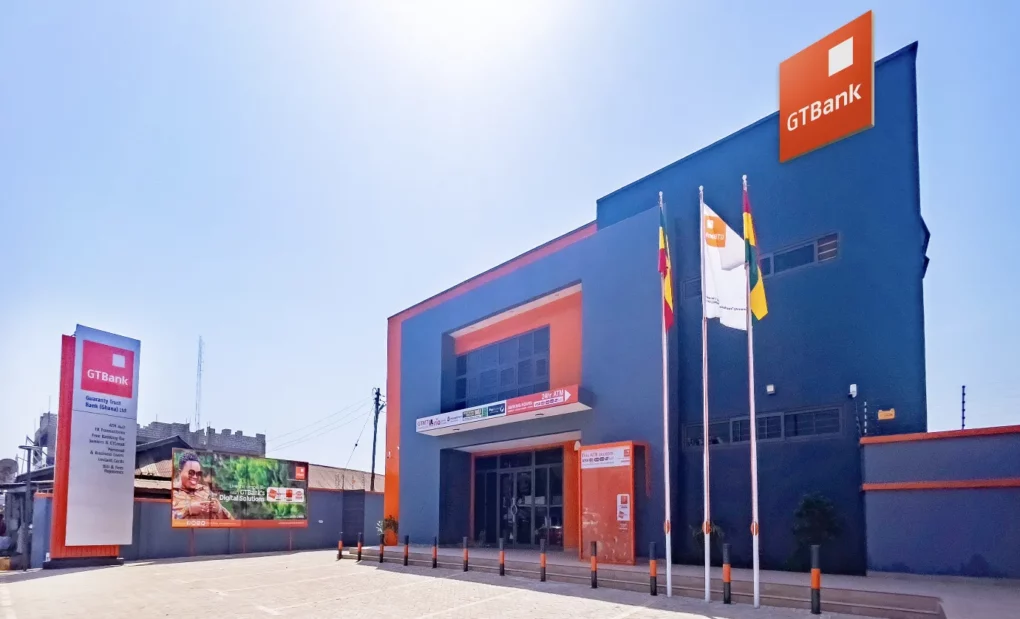
The central bank reports that interest rates on one-year SME loans reached 33.58%, with Guarantee Trust Bank Ghana having the highest annual percentage rate.
Standard Chartered Bank Ghana provided the lowest one-year SME lending rate of 11.03% at the other end of the market, demonstrating a startling difference in borrowing rates throughout the sector.
Stanbic Bank Ghana offered the lowest rate of 13.34% for three-year SME facilities, while Universal Merchant Bank reported the highest rate at 31.09%.
Agricultural Development Bank charged the highest annual percentage rate (APR) of 25.07% on five-year facilities, while Ecobank Ghana charged 13.97%.
The analysis reaffirms long-standing worries about SMEs’ access to reasonably priced finance, which makes up a sizable portion of Ghana’s enterprises, jobs, and economic activity.
Even as authorities work to boost private-sector growth, high financing costs continue to limit expansion, investment, and job creation.
Larger business borrowers, on the other hand, continued to obtain finance at far lower costs.
Due to the better credit profiles and reduced perceived risk associated with established businesses, Absa Bank Ghana offered one-year corporate loans starting at 7.62% and three-year corporate facilities as low as 9.78%.
The Ghana Reference Rate stayed at 10.03 percent in May, while the average Annualised Percentage Rate for the banking industry was 17.64 percent.
According to the Bank of Ghana, the APR calculates the actual cost of borrowing by adding each bank’s risk premium and other relevant lending fees to the benchmark reference rate.
According to the most recent data, the cost of credit is still very uneven in the banking industry.
Even if some lenders are providing financing that is comparatively competitive, many small firms still have to pay a high premium for access to capital. This problem, according to analysts, might have a negative impact on productivity, entrepreneurship, and Ghana’s overall economic growth if borrowing prices stay high.
Source: newsthemegh.com