

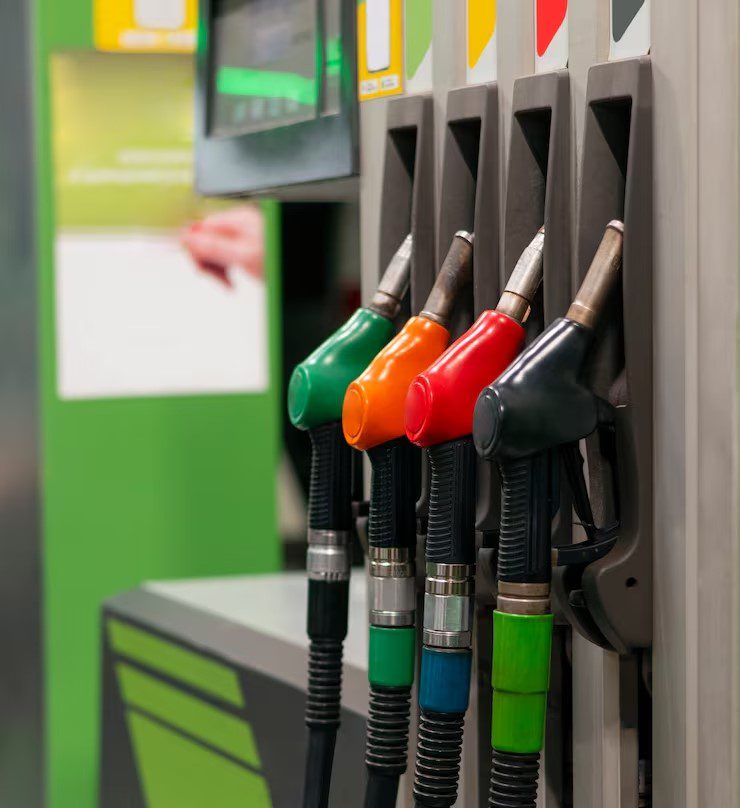
The government has announced a temporary drop in gasoline prices, absorbing GH¢2.00 per litre of diesel and GH¢0.36 per litre of petrol starting today, April 16, 2026.
The purpose of the intervention, which goes into effect in the upcoming pricing window, is to protect consumers and lessen the financial strain on homes, businesses, and transportation providers.
The decision was approved by the Cabinet in reaction to the recent increase in ex-pump costs in Ghana because to rising worldwide petroleum prices.
The administration stated in a statement released by the Presidency on Wednesday, April 15, that the policy will be in effect for one month, during which time it will keep an eye on trends in the price of oil globally and determine whether any other changes are necessary.
In the face of persistent external pressures, it also reiterated its commitment to preserving pricing stability, protecting livelihoods, and assisting the nation’s economic recovery.
To protect Ghanaians from growing petroleum expenses, a group of prominent Civil Society Organisations (CSOs) had suggested a significant drop in fuel prices.
In order to provide consumers with immediate respite from rising transport and energy costs, the coalition recommended the government to remove GH¢1.65 off the present build-up in petroleum prices.
The committee, which included the Institute for Energy Security, INSTEPR, the Chamber of Petroleum Consumers (COPEC), and IMANI Africa, provided a thorough analysis of the suggested cuts to different fuel pricing structure levies and margins.
In a joint statement made on April 14, 2026, the CSOs urged that the relief package be extended for at least two months, rather than the four weeks initially envisaged by the government, to ensure a more significant impact on households and companies.
They suggested that extending the term will improve gasoline pricing stability and predictability, particularly for transport companies and small enterprises that are very vulnerable to price swings.
The group’s proposed reductions included 24 pesewas from the Road Fund Levy, 50 pesos from the Energy Fund Levy, 23 pesewas from the Special Petroleum Tax, 6 pesewas from the Bulk Oil Storage and Transportation (BOST) margin, 4 pesewas from the Fuel Marking Margin, 45 pesewas from the Unified Petroleum Pricing (UPP) margin, and 14 pesewas from the Primary Sector Recovery Levy (PSRL).
The proposal comes after President John Dramani Mahama gave the Ministries of Energy and Finance instructions to examine taxes, margins, and levies in the petroleum pricing structure in order to relieve consumer pressure in the face of persistent economic difficulties.
Citing anticipated crude oil export receipts as a buffer to counteract the temporary cut in fuel-related taxes, the coalition insisted that the action would not materially strain Ghana’s budgetary position.
The CSOs demanded more significant structural changes to Ghana’s petroleum price system in addition to immediate relief measures.

Source: newsthemegh.com