
Solomon Ekanem, is an Editor at Business Insider, with a keen focus on African development and global economic trends
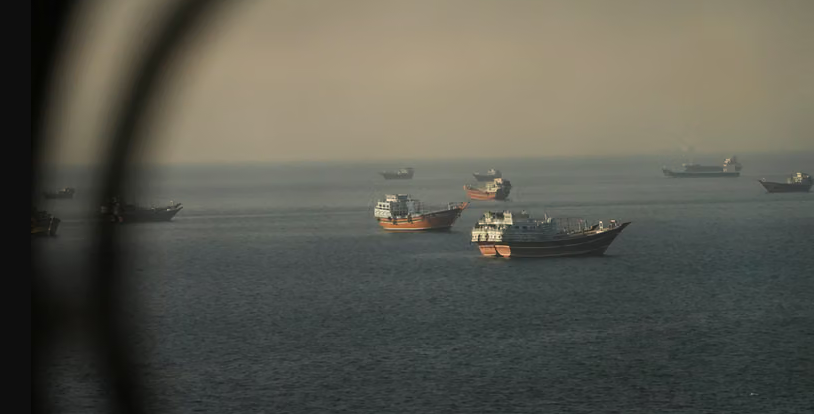
African economies heavily dependent on imported fuel could be set for some relief after shipping activity through the Strait of Hormuz surged to its highest level since conflict disrupted one of the world’s most important energy corridors.
According to data from S&P Global Market Intelligence and S&P Global Commodities at Sea, a record 78 vessels transited the strait on June 24, including 22 oil and chemical tankers, making it the busiest single day since hostilities began in the Gulf.
The surge helped lift June’s total traffic to 551 vessel crossings, already surpassing April’s previous post-conflict high of 438.
The rebound follows the introduction of a new maritime safety corridor along the Omani coast and points to a gradual restoration of commercial shipping through a waterway that handles a significant share of the world’s crude oil, refined fuels and liquefied petroleum gas exports.
For African economies that depend heavily on energy imports from Gulf producers, the recovery reduces fears of prolonged supply disruptions, rising freight costs and another round of fuel price pressures that could worsen inflation and strain government budgets
The Strait of Hormuz is the world’s most important oil chokepoint, serving as the primary gateway for crude oil, refined fuels and liquefied petroleum gas exports from major Gulf producers including Saudi Arabia, the United Arab Emirates, Kuwait, Iraq and Qatar.
Strait of Hormuz traffic hits post-war high
The latest figures suggest that commercial shipping is gradually returning to the route after months of disruption caused by conflict in the Gulf.
According to S&P Global, the 78 vessel crossings recorded on June 24 represent a recovery to 57% of pre-conflict daily shipping volumes.
More than 40% of the ships, representing 33 vessels, used the newly established Omani safety corridor during the day. Most of these vessels were outbound, meaning they were leaving the Gulf and transporting cargo to international markets.
The data also points to growing signs of normalization.
While many outbound vessels had remained trapped inside the Gulf since the onset of hostilities, analysts observed that some ships which entered the Gulf more recently have now completed their journeys and exited through the strait.
According to S&P Global, this indicates a gradual re-establishment of normal navigation and trading patterns. The 78 vessel movements included 22 oil and chemical tankers, 21 bulk carriers, 12 cargo ships, seven container vessels, four LPG tankers and two LNG tankers.

Ten crude oil tankers transited the waterway during the day, including five Very Large Crude Carriers (VLCCs) and three Suezmax vessels heading outbound, alongside two inbound VLCCs entering the Gulf.
An additional 12 product tankers carrying refined petroleum products also passed through the strait, evenly split between inbound and outbound movements.
Why Africa’s fuel importers are paying attention
For many African economies, developments in the Strait of Hormuz have immediate economic consequences.
A significant share of the crude oil, refined fuels and liquefied petroleum gas consumed across Africa originates from Gulf producers whose exports depend on uninterrupted access through the strategic shipping corridor.
As tensions escalated earlier this year, concerns grew that disruptions to shipping could tighten fuel supplies, increase freight and insurance costs, and ultimately push up fuel prices across African markets.
The latest rebound in traffic helps reduce some of those risks.
Higher vessel volumes improve the flow of oil and petroleum products into global markets and can help ease some of the geopolitical risk premiums that typically drive energy prices higher during periods of uncertainty.
For African governments already dealing with inflationary pressures and rising energy costs, a stabilization of shipping activity could provide welcome breathing room by reducing the likelihood of another major fuel price shock.
The development is also significant for countries seeking to diversify fuel supply sources as regional refining capacity expands.
Nigeria’s Dangote Refinery, which has increasingly supplied refined products to markets across Africa, stands to benefit from a more stable global trading environment even as it competes with imports from Gulf producers.
However, S&P Global cautioned that the recovery remains incomplete. Several vessels continued to transit close to Iranian territorial waters, while eight ships were detected operating without active tracking signals during passage through the strait.
The firm also noted that questions remain over the long-term consistency of vessel movements until more durable security arrangements are established.
Still, the record 78-vessel transit marks the clearest sign yet that one of the world’s most critical energy corridors is beginning to recover, offering a measure of relief to African economies that remain highly exposed to global fuel market disruptions.
Source: africa.businessinsider.com