

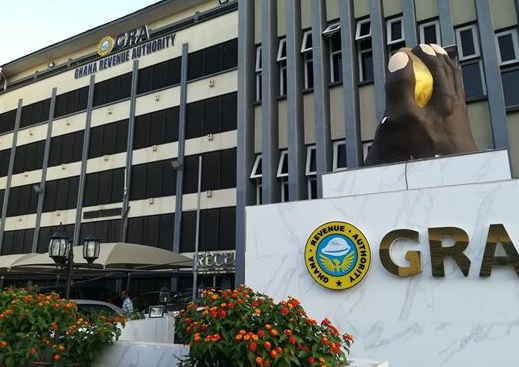
The Ghana Revenue Authority (GRA) claims that the implementation of the Publican Artificial Intelligence (AI) technology has greatly improved revenue mobilisation and compliance inside Ghana’s customs administration system.
Speaking at a media forum hosted by the Ghana Ports and Harbours Authority (GPHA), representatives of the Customs Technical Services Bureau (CTSB) of the Customs Division of the GRA stated that the AI-driven tool was developed to assist in identifying customs violations, such as under-declaration, misdescription, over-invoicing, and undervaluation of imports.
According to CTSB Senior Revenue Officer Mr. Desmond Serlom Agbaku, the system was implemented in response to worries about revenue losses connected to customs violations and misuse of import documentation procedures.
According to Mr. Agbaku, the AI program helps customs officials determine the value, classification, and provenance of items by analysing data about importers, exporters, bank transfers, trade paperwork, and previous customs records.
“The Publican AI is a tool to help customs in valuation, classification and determining the origin of goods. It analyses information and presents risk indicators to officers to support effective decision-making,” he said.
Mr. Agbaku pointed out that the authority had seen increases in revenue collection since its full deployment in March following its pilot in February 2026, and he attributed the benefits in part to better importer compliance.
He clarified that the AI technology enhances the authority’s current risk management and valuation tools rather than taking the position of customs officials.
“The Publican AI is just one of the tools available to customs officers. It supports the work of officers and helps make our processes more effective and efficient,” he stated.
He went on to say that the technology may spot irregularities in trade paperwork, dubious appraisals, potential health concerns connected to imported items, and other signs that needed closer examination by customs officers.
According to Mr. Frank Atakra, a Senior Revenue Officer of the CTSB, importers who were unhappy with assessments may submit more documentation and ask for a review, and Customs had kept its appeal procedures in place to guarantee equity and openness in the valuation process.
He states that appeals officers examine the supporting documentation that importers submit and may modify findings in cases when adequate rationale is given.
He noted that importers or their representatives may need to attend in person for additional clarification in some appeals involving financial transactions and contractual arrangements.
Source: newsthemegh.com