
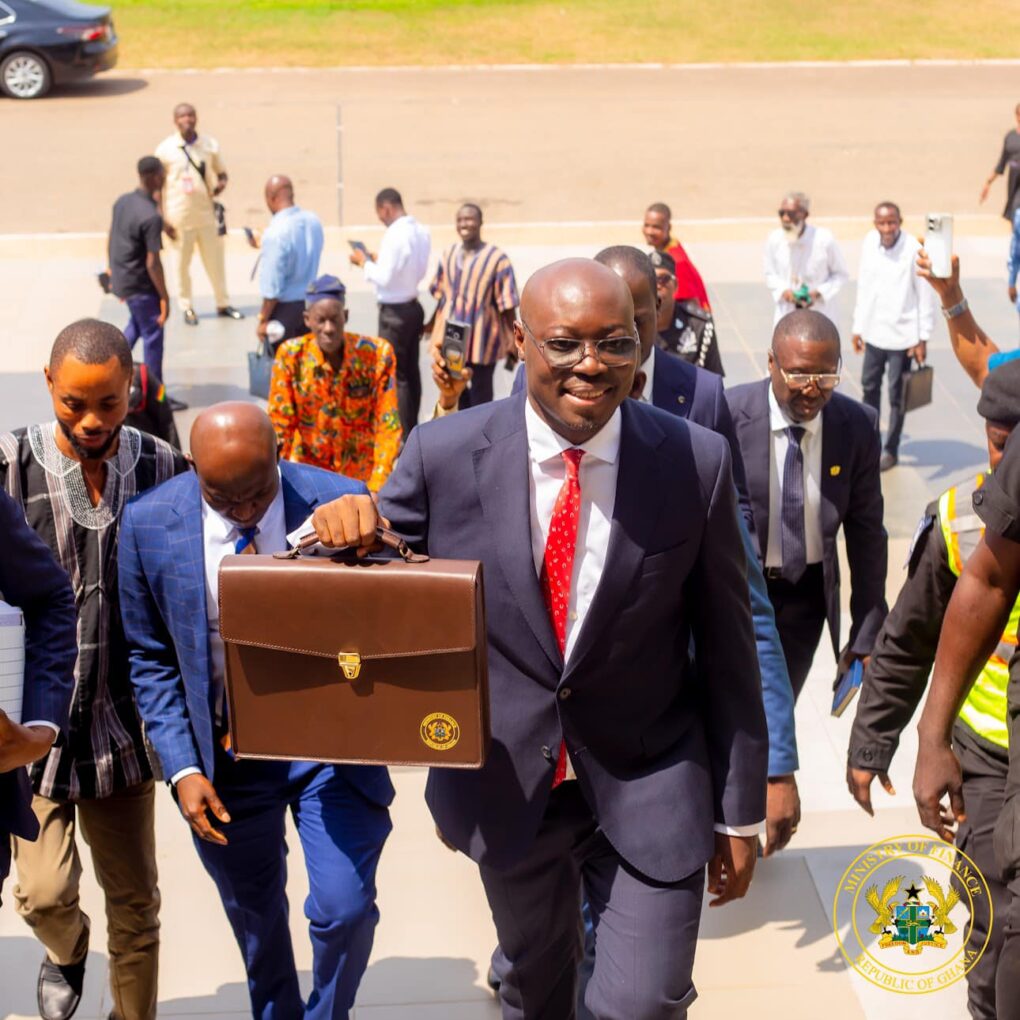
Finance Minister Dr Cassiel Ato Forson is scheduled to present Ghana’s 2027 Budget Statement and Economic Policy to Parliament on November 12, 2026, Deputy Finance Minister Thomas Nyarko Ampem has announced.
Mr Ampem disclosed the date during the launch of the Ghana Statistical Service’s Ghana in Numbers report in Accra. He said the upcoming budget would outline the government’s New Economy agenda, with a focus on job creation, economic transformation and sustainable growth.
The proposed budget is expected to shift Ghana’s economic focus from stabilisation towards long-term growth, increased employment and improved living standards. Sources familiar with the preparations indicate that the proposed theme could be “New Economy, New Ghana: Jobs and Prosperity,” although this has not been officially confirmed.
2027 Budget to Prioritise Jobs and Economic Growth
The government is expected to prioritise local production and value addition to strengthen domestic industries, increase export earnings and create employment opportunities.
The budget may also allocate significant resources to completing ongoing infrastructure projects, while keeping overall expenditure broadly in line with the estimates outlined in the 2026 Budget.
Fiscal discipline and debt sustainability are expected to remain key priorities, with the government seeking to avoid excessive budget deficits and spending overruns. The Finance Minister may also announce adjustments to the primary surplus target to create additional room for priority investments.
Ghana’s 2027 Economic Growth and Inflation Targets
Preliminary expectations suggest that the 2027 Budget could target economic growth of approximately 5% and inflation of 8%, with a tolerance band of two percentage points. These figures remain anticipated targets ahead of the official budget presentation.
The government is expected to pursue policies that preserve macroeconomic stability, strengthen economic resilience and protect poor and vulnerable households while supporting productive investment.
Key Sectors Under the New Economy Agenda
The New Economy Programme is expected to play a central role in the 2027 Budget, with investment priorities covering:
- Macroeconomic stability: Maintaining fiscal discipline and sustainable public debt.
- Agriculture and agribusiness: Expanding commercial farming, agro-processing and local food production.
- Energy sector reforms: Improving efficiency and encouraging investment in the energy industry.
- Critical minerals: Promoting local processing and value addition to increase export revenue.
- Textiles and garments: Supporting cotton production, textile manufacturing and employment.
- Tourism and creative arts: Expanding tourism, cultural industries and creative-sector opportunities.
Deputy Finance Minister Thomas Nyarko Ampem has also urged the Ghana Statistical Service to provide all Members of Parliament with access to its data dashboard to improve parliamentary debate and evidence-based policymaking.
The 2027 Budget is expected to outline the government’s next phase of economic policy, balancing fiscal responsibility with investments designed to accelerate economic growth, create jobs and improve prosperity across Ghana.
Source: newsthemegh.com