
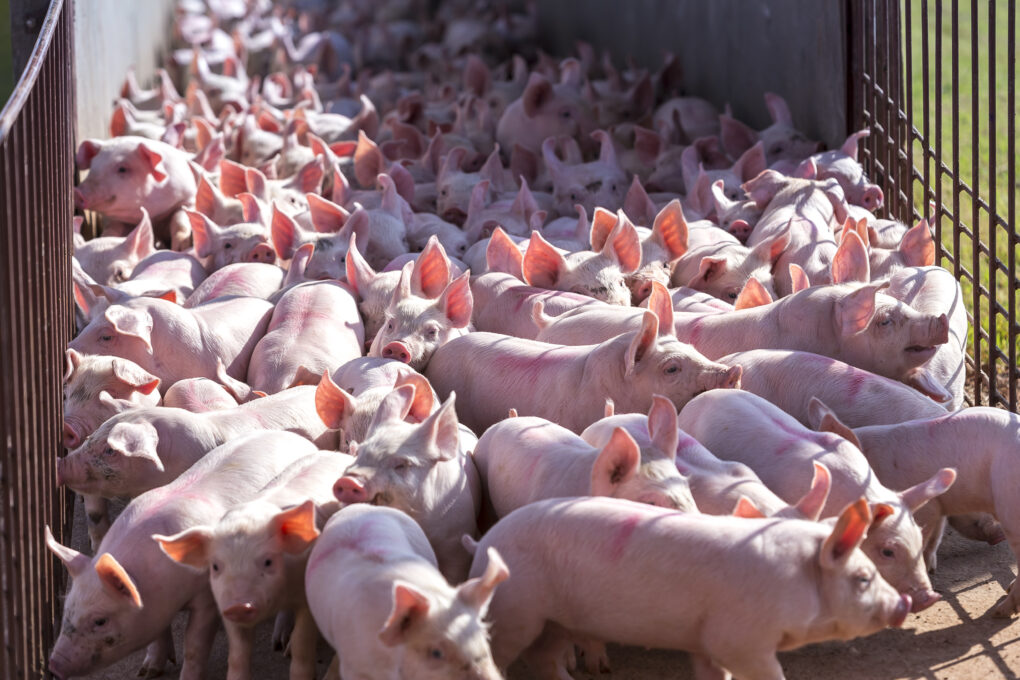
The Ashanti Regional Pig Farmers Association has called on the Government of Ghana to provide formal recognition and increased support for the country’s pig farming industry, saying the sector has the potential to create jobs, improve food security, and boost the agricultural economy.
The appeal was made during the Association’s maiden regional conference held in Kumasi, where pig farmers from across the Ashanti Region gathered to discuss industry challenges, share best farming practices, and develop strategies to promote sustainable livestock farming in Ghana.
Pig Farmers Seek Government Recognition and Policy Support
Speaking at the conference, Ashanti Regional Chairman of the Pig Farmers Association, Daniel Yaw Saim, said pig farmers continue to face serious challenges similar to those affecting other agricultural sectors but receive little or no government assistance.
According to him, the conference focused on educating farmers on modern pig farming techniques, including feed formulation, animal nutrition, and effective farm management to improve productivity and profitability.
Mr. Saim stressed that the association is seeking a comprehensive government policy to support the growth of the Ghana pig farming sector and improve the welfare of farmers nationwide.
African Swine Fever Continues to Affect Pig Farms
The Association identified African Swine Fever (ASF) as one of the biggest threats facing pig farmers in Ghana.
Mr. Saim revealed that the viral disease continues to impact farms across the Ashanti Region, forcing about 18 pig farmers out of business after suffering devastating losses.
He said previous attempts to secure government support for affected farmers were unsuccessful, leaving many producers to rely on local markets to sustain their businesses.
The Association also encouraged pig farmers across all districts in the region to unite under a stronger organization capable of effectively advocating for the industry’s interests, noting that unlike the poultry sector, pig farmers lack a well-established national body to engage policymakers.
Veterinary Services Urge Better Biosecurity Measures
Ashanti Regional Director of Veterinary Services, Mabel Abudu, encouraged farmers to strengthen their association to improve engagement with government agencies and development partners.
She explained that while the Veterinary Services Directorate provides technical guidance, farmers themselves must organize effectively to champion policies that support the livestock industry in Ghana.
Madam Abudu emphasized that preventing African Swine Fever depends largely on strong biosecurity practices, proper housing, good sanitation, and sound farm management.
She noted that treatment options for ASF remain limited and explained that the government does not compensate affected farmers because the disease is not zoonotic, meaning it cannot be transmitted from pigs to humans.
According to her, many disease outbreaks can be minimized if farmers consistently follow recommended biosecurity protocols.
Farmers Encouraged to Attend Agricultural Training
The Veterinary Services Director urged pig farmers to participate in workshops and training programmes organized by the Veterinary Services and Animal Production Directorates to improve their technical knowledge and farm management skills.
She added that pork remains a highly nutritious source of protein, vitamins, minerals, and iron, making it an important contributor to healthy diets and Ghana’s food supply.
Madam Abudu said farmers who invest in proper housing, nutrition, and animal management are more likely to produce healthy pigs and achieve higher productivity.
Pig Farming Has Potential to Boost Ghana’s Economy
The Ashanti Regional Pig Farmers Association believes that with stronger government support, improved disease control measures, and effective agricultural policies, pig farming in Ghana can become a major contributor to job creation, food security, and economic growth while strengthening the country’s livestock sector.
Source: newsthemegh.com