
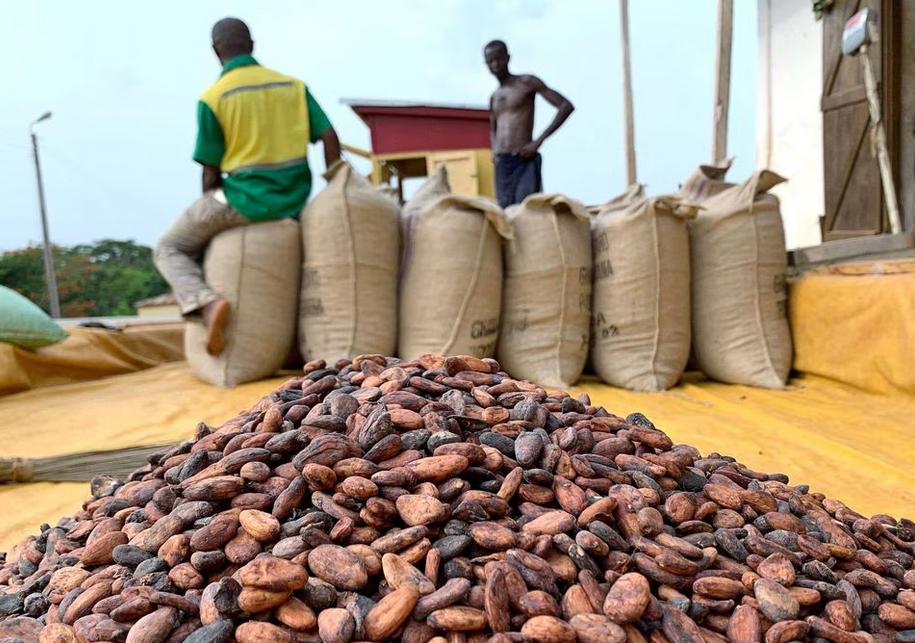
Ghana is facing difficulties raising funds from the domestic financial market to finance cocoa purchases for the 2026/27 cocoa season, according to sources familiar with developments in the sector.
The funding challenge has raised concerns among licensed cocoa buyers, who reportedly warn that about GH¢4 billion (approximately US$350 million) in outstanding debts could affect their ability to purchase cocoa beans from farmers during the new season.
Ghana traditionally relies on financing arrangements to support cocoa purchases, farmer payments and cocoa sector operations. However, the current funding constraints could put additional pressure on the country’s cocoa procurement system.
Ghana Cocoa Season Faces Delay
Ghana began its cocoa season in early August last year, but the 2026/27 cocoa buying season had reportedly not commenced by mid-September, according to the sources.
The delay comes as Côte d’Ivoire, the world’s leading cocoa producer, has already launched its main cocoa crop, increasing attention on Ghana’s preparations for the new season.
Industry sources say the financing difficulties are partly linked to changing conditions in Ghana’s domestic capital market.
Investors Demand Higher Interest Rates
Local institutional investors are reportedly demanding higher risk premiums and coupon rates before committing funds to finance cocoa purchases.
The increased cost of borrowing could make it more expensive for the Ghana Cocoa Board (COCOBOD) to raise the resources needed to purchase cocoa beans from farmers.
The development highlights the growing financing pressures facing Ghana’s cocoa industry at a time when the sector is already dealing with significant financial obligations.
COCOBOD Faces Cocoa Financing Pressure
Higher interest costs have also reportedly contributed to COCOBOD’s exit from the offshore syndicated loan market, according to sources familiar with the matter.
For more than three decades, COCOBOD has traditionally relied on syndicated loans from international banks to finance cocoa purchases during the annual crop seasons.
The shift away from international syndicated borrowing means Ghana is increasingly looking toward domestic financing sources to support cocoa procurement.
However, demands for higher returns by local investors could further increase the cost of financing the cocoa sector.
Impact on Cocoa Farmers and Licensed Buyers
The reported GH¢4 billion debt exposure could have implications for licensed cocoa buyers and cocoa farmers if financing constraints persist.
Licensed buying companies depend on access to adequate working capital to purchase cocoa beans from farmers across the country. Any significant shortage of funds could affect the pace of cocoa purchases and payments during the new season.
The situation has therefore increased scrutiny of Ghana’s cocoa financing, COCOBOD debt, cocoa farmer payments and the outlook for the 2026/27 cocoa season.
Stakeholders in the cocoa industry are expected to closely monitor efforts by the government and COCOBOD to secure sufficient financing for the new crop season.
Source: newsthemegh.com