
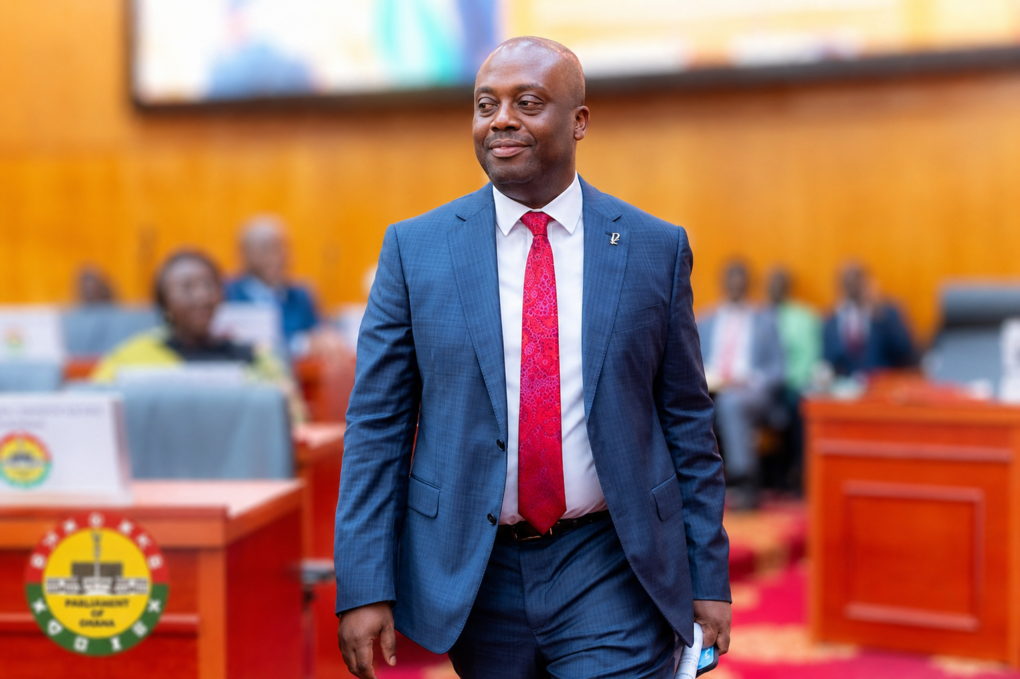
Deputy Minister of Finance Thomas Ampem Nyarko, has explained that COCOBOD’s indebtedness to fertiliser and agrochemical suppliers between 2021 and 2024 is part of a larger financial crisis inherited by the cocoa business.
Speaking on the floor of Parliament, Mr. Ampem Nyarko explained that the industry is currently facing severe financial strain as a result of procurement obligations that beyond budgetary allotments in prior crop seasons.
He disclosed that just $312.8 million had been allocated in the budget for the 2021–2022 crop year, despite a total of $455.7 million being purchased for agrochemicals.
He stated that the issue got worse as more purchases were made in later years despite unpaid suppliers.
“The agrochemicals procured for the 2021–2022 season were not paid for, but COCOBOD continued to procure additional quantities in 2022, 2023, and 2024, all of which were above the budgeted amount in each year,” he stated.
The Asuogyaman MP also revealed that COCOBOD contracted for almost $668.6 million worth of agrochemicals during the 2023–2024 season alone, despite a budget of $76.5 million.
This raises questions about procurement strategy and budgetary discipline in the chocolate industry.
According to Mr. Ampem Nyarko, stakeholders have also expressed concerns about the discrepancy between spending and cocoa output performance.
“While procurement of fertilizers and agrochemicals was increasing, cocoa production was declining, raising questions as to what these fertilizers and agrochemicals were used for,” he stated.
However, he emphasised that “COCOBOD’s indebtedness to agrochemical suppliers is part of inherited structural and financial challenges affecting the cocoa sector, rather than an isolated issue.”
He states that the government is now carrying out changes to guarantee that COCOBOD fulfils its responsibilities in a sustainable way and to restore the financial stability of the cocoa business.
“COCOBOD is approaching the issue systematically. The strategy is to restore its financial capacity so that it can honour its obligations to all creditors, including agrochemical dealers, in a sustainable and transparent manner,” he explained.
He assured that the government was “fixing the system so that suppliers are paid not once, but always, predictably, transparently, and on time.”
The Deputy Finance Minister highlighted that continuous reforms are meant to solve persistent inefficiencies and guarantee the cocoa industry’s long-term viability.
The remarks coincide with mounting requests for stricter regulation of procurement procedures in Ghana’s cocoa sector and more scrutiny of COCOBOD’s financial situation.
Source: newsthemegh.com