
Global oil prices climbed above $91 per barrel on Tuesday, as stalled diplomatic negotiations between the United States and Iran raised concerns about the future of energy supplies from the Middle East.
The renewed uncertainty has increased fears that the conflict could continue for longer than expected, potentially disrupting crude oil production, tanker movements and international energy markets.
U.S.-Iran Tensions Put Oil Supply at Risk
Iran has indicated that it could adopt a more aggressive military position after diplomatic efforts aimed at securing a permanent end to the conflict with the United States failed to make significant progress.
At the same time, Washington has ruled out extending the temporary ceasefire agreement, further reducing expectations of an immediate breakthrough in peace negotiations.
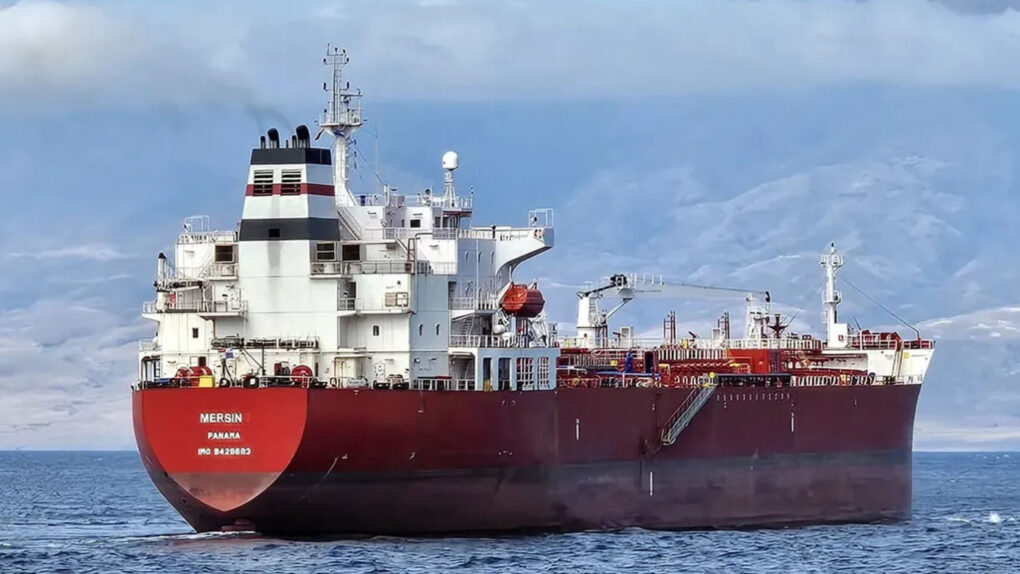
The lack of progress has also affected efforts to restore normal oil tanker traffic through the Strait of Hormuz, one of the world’s most important energy shipping routes.
Brent crude futures rose 27 cents, or 0.3%, to $91.14 per barrel by 0003 GMT on Tuesday, after reaching their highest level since July 30 during the previous session.
Meanwhile, U.S. West Texas Intermediate (WTI) crude increased by 42 cents to $85.04 per barrel, following an earlier rise of more than 1% to $85.37, its strongest level since July 31.
Strait of Hormuz Disruption Raises Energy Market Concerns
Market analysts say the uncertainty surrounding the Strait of Hormuz remains a major factor driving the latest oil price increase.
Only five commodity vessels passed through the strategic waterway on Saturday following attacks on tankers, while no vessels were recorded on Sunday, according to ship-tracking data. This compares with 31 vessels that travelled through the route during the previous weekend.
The Strait of Hormuz is critical to global energy security because a significant share of the world’s oil shipments passes through the waterway.
Concerns have also intensified around the Bab el-Mandeb Strait, another important shipping route connecting the Red Sea with the Gulf of Aden.
Red Sea Attacks Add to Global Oil Supply Concerns
The security situation in the region has added another layer of uncertainty to international oil markets.
Yemen’s Houthi movement claimed that it had launched missile attacks against what it described as a Saudi military vessel and four escort ships in the Red Sea.
Analysts say simultaneous disruptions around the Strait of Hormuz and Bab el-Mandeb could significantly increase risks to global oil supplies and international shipping.
Iran has separately been negotiating with Oman over arrangements for managing the Strait of Hormuz and has indicated that the two sides are close to reaching an agreement. However, threats against Oman have added further uncertainty to the diplomatic process.
Despite the tensions, reports of possible back-channel discussions involving the United States and Iran have offered a limited sign of hope for renewed diplomacy.
U.S. Oil Inventories in Focus
Meanwhile, investors are closely monitoring U.S. crude oil inventories. A preliminary Reuters poll indicated that U.S. crude stockpiles were expected to decline during the previous week, alongside reductions in refined petroleum product inventories.
Falling U.S. inventories, combined with geopolitical tensions and concerns over Middle East oil supplies, could provide further support for crude oil prices in the short term.
Source: newsthemegh.com