

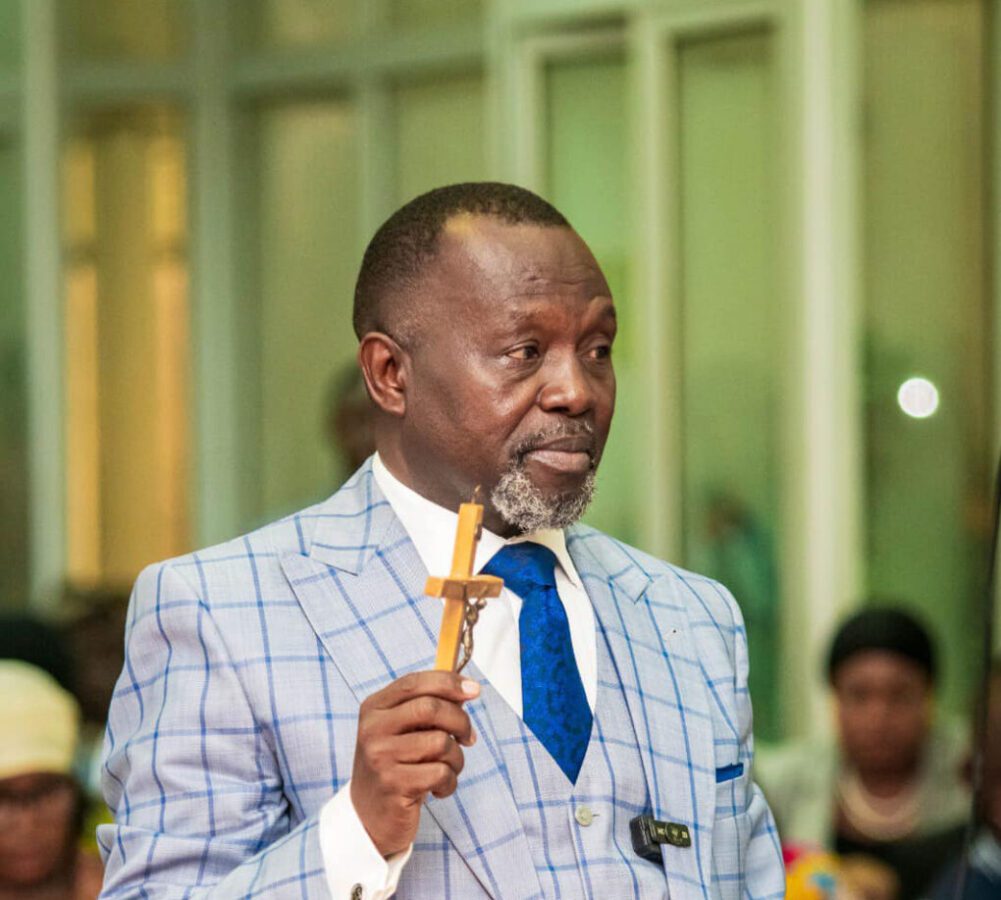
By Kofi Hamilton Amekudzi
Q1: WHAT DOES THE AG’s AGREEMENT WITH THE ACCUSED MEAN IN THE SIMPLEST OF TERMS?
Steal 100%, refund 60%, keep 40%, and walk free.
Q2: SHOULD THE AG HAVE THE AUTHORITY TO HANDLE PUBLIC FUNDS THIS WAY?
No. These funds belong to the state. They belong to all Ghanaians. Did the AG seek our consent before allowing 40% to be retained by the accused? No.
Q3: IS THE AG JUST GIVING AWAY 40%?
Yes, and possibly more. If someone embezzles 100%, they should be compelled to repay the full amount plus a penalty (e.g., 25%), totalling 125%. A 60% refund falls far short of full restitution and deterrence. In effect, the AG is giving away more than 40%.
Q4: HAS THE 60% ACTUALLY BEEN REFUNDED?
There is no verified evidence of this. The Bank of Ghana has not confirmed receipt. Civil society voices, including Bright Simons, assert that only about 10% have been refunded. If Bright is right, this deal is even more alarming. So we don’t know if 60% has really been refunded.
Q5: IS THIS WHAT THE GOVERNMENT’s PROMISE OF ZERO TOLERANCE FOR CORRUPTION SHOULD LOOK LIKE?
No. This implies a 40% tolerance for corruption, at minimum. It could even be higher.
Q6: WHAT MESSAGE DOES THIS SEND ABOUT ACCOUNTABILITY FOR THE POWERFUL?
It signals that the powerful operate above the law. If a goat thief wouldn’t be allowed to return 4 goats out of 10 and walk free, why should white-collar offenders?
Q7: WHAT DOES THIS MEAN FOR THE FIGHT AGAINST CORRUPTION AND ORAL?
The AG’s action severely undermines anti-corruption efforts and diminishes faith in the ORAL. It casts doubt on the government’s commitment to fighting corruption.
Q8: IS THERE A POTENTIAL CONFLICT OF INTEREST IN THIS CASE?
Yes. The AG previously served as legal counsel to the accused during the previous government. The same AG is now negotiating leniency for a former client. Ethical standards require that he recuse himself, yet he did not.
Q9: WHY SHOULD GHANAIANS BE CONCERNED?
Withholding prosecutions without transparency erodes public trust, weakens the rule of law, and threatens long-term national stability. It sets a very dangerous precedent and empowers the corrupt. It is wrong, and you should be concerned.
Q10: WHAT SHOULD WE DO?
We should raise our voice. We should ask the President to intervene. The ultimate responsibility lies with him, and he must be seen to demonstrate real political will to fight corruption. A compromised justice system invites instability.
Our commitment to fighting corruption must remain unwavering, regardless of the government in power.
Long Live Ghana
Kofi Amekudzi (July 2025)

Source: newsthemegh.com