
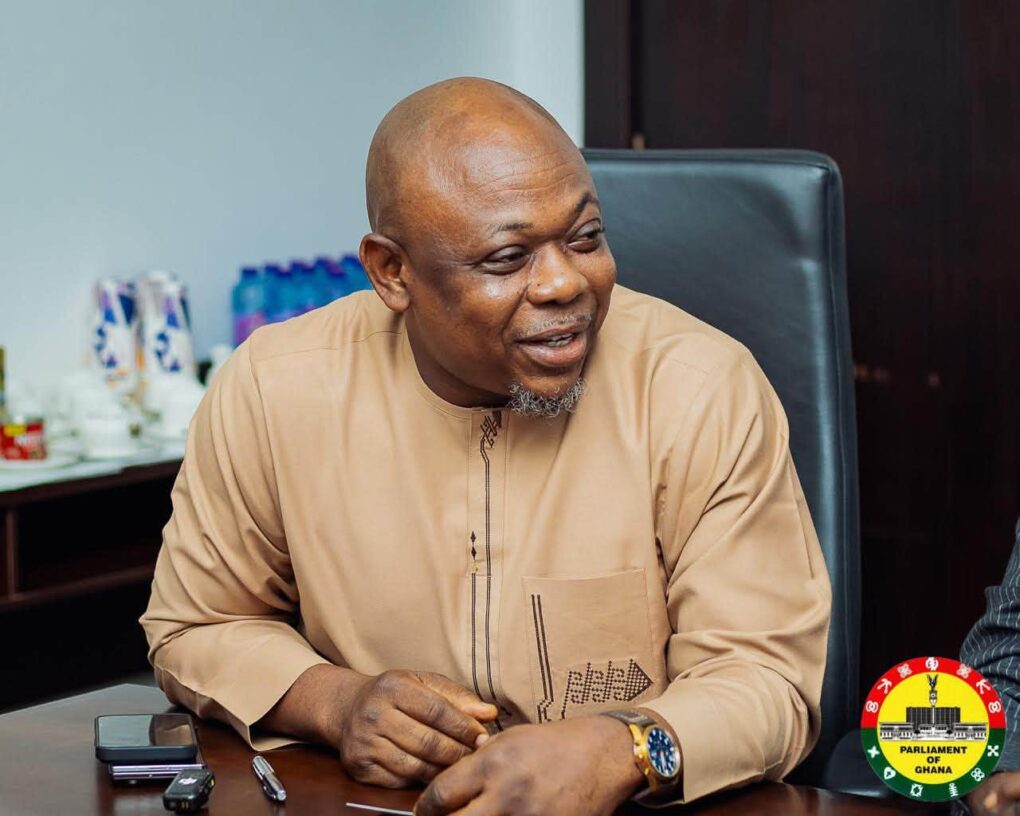
Majority Leader James Agalga has defended the Mahama administration’s 24-hour economy policy, insisting that the flagship economic initiative is making significant progress, with more than 300 filling stations and hundreds of manufacturing companies and factories already adopting a three-shift operational system.
Speaking during a media engagement by the leadership of Parliament on Tuesday, November 3, 2026, Mr Agalga explained that the 24-hour economy programme was designed as a gradual economic transformation process rather than a one-time government event.
According to him, the policy is intended to increase business productivity, expand economic activities, stimulate industrial growth and create more employment opportunities by encouraging businesses to operate beyond traditional working hours.
“The 24-hour economy is working, but we made it clear that the 24-hour economy is not an event. No, it’s a process,” Mr Agalga stated.
Over 300 Filling Stations Adopt 24-Hour Economy Policy
The Majority Leader identified the growing participation of filling stations across the country as evidence that the government’s 24-hour economy initiative is gradually taking shape.
He disclosed that more than 300 filling stations have started implementing the three-shift operational system to provide services around the clock.
Mr Agalga further explained that when manufacturing companies and industrial facilities participating in the programme are included, the total number of businesses adopting the policy could reach approximately 500.
He noted that the figures demonstrate the growing acceptance of the government’s strategy to promote a round-the-clock economy and strengthen private-sector participation.
Government Defends 24-Hour Economy Against Critics
Responding to criticism and concerns about the practical implementation of the policy, Mr Agalga urged Ghanaians and political opponents to recognise that transforming the country’s economic structure requires time.
He maintained that the initiative should not be judged solely by its immediate outcomes, stressing that its long-term objective is to boost industrial production, improve business efficiency, attract investment and generate sustainable jobs.
The 24-hour economy policy remains one of the flagship programmes of President John Dramani Mahama’s administration, aimed at creating an enabling environment for businesses, factories and public institutions to operate beyond conventional working hours.
Finance Minister Expected to Provide Further Details
Mr Agalga also indicated that the government would provide additional information about its economic policies, including the implementation and expansion of the 24-hour economy programme, during the Finance Minister’s presentation of the national Budget.
The expected updates are likely to provide further insight into the government’s plans for industrial development, private-sector investment, job creation and economic growth under the 24-hour economy initiative.
Source: newsthemegh.com