

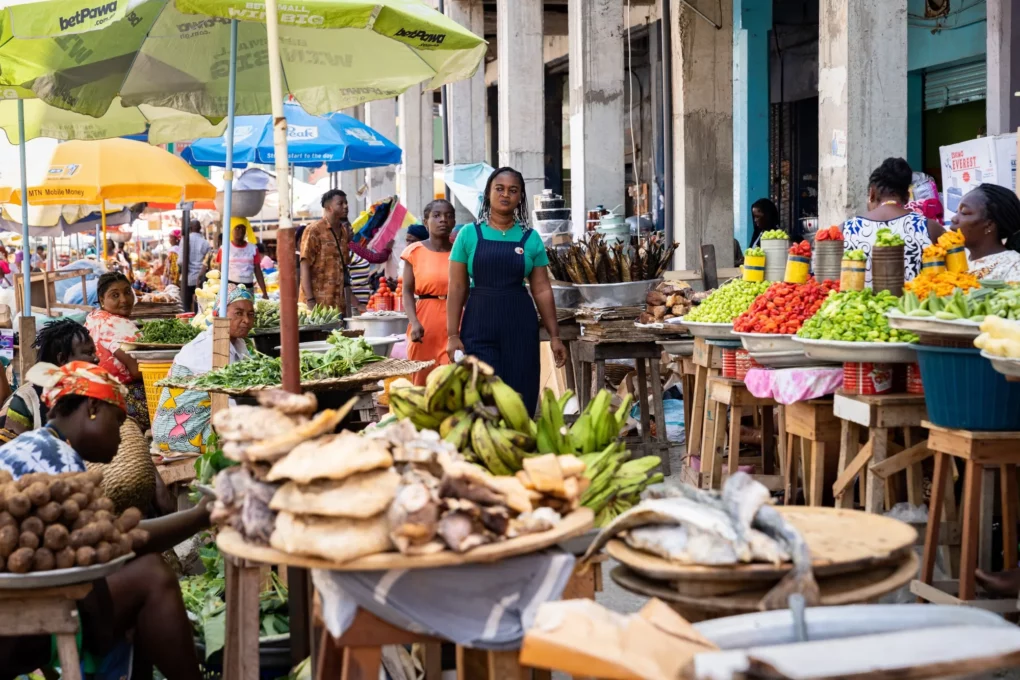
The main causes of Ghana’s inflation in February 2026 were charcoal, plantains, and school-related expenses, despite the fact that general price pressures were still decreasing.
The majority of the month’s 3.3 percent year-over-year inflation was attributed to the top 20 goods alone, according to data from the Ghana Statistical Service.
With a 53.1% year-over-year increase, charcoal was the single biggest contribution. Its weight in household spending kept it at the top of the inflation ranking even if prices decreased marginally month over month.
With prices rising 67.9 percent year over year, green plantains trailed closely, adding to the ongoing instability in the markets for essential foods. Double-digit increases were also seen in river fish and smoked herrings, indicating ongoing pressure on protein supplies.
Expenses associated with education also played a significant role. Secondary school costs for both public and private schools increased by 4% between January and February and by 10% annually. Costs associated with primary and pre-primary schooling also increased overall prices.
Costs associated with housing exhibited a resurgence. Rent payments increased by 5.3 percent on a monthly basis and by 7.4 percent on an annual basis. Inflationary pressures were also increased by resold tap water and rubbish disposal fees.
Vegetable oil, cooked rice, tomato paste, yam, beef, lodging, and regional specialities like fufu with soup and kenkey with fried fish were among the other noteworthy suppliers.
The item-level breakdown indicates that price pressures are still concentrated in food staples, household energy substitutes, and education services, important areas that directly affect household disposable income and consumer spending, even though headline inflation has eased to its lowest level since the 2021 rebasing.
Even as macroeconomic stability progressively improves, the data indicates that enterprises in the food retail, hospitality, housing, and private education sectors will continue to be cost sensitive.
Source: newsthemegh.com