
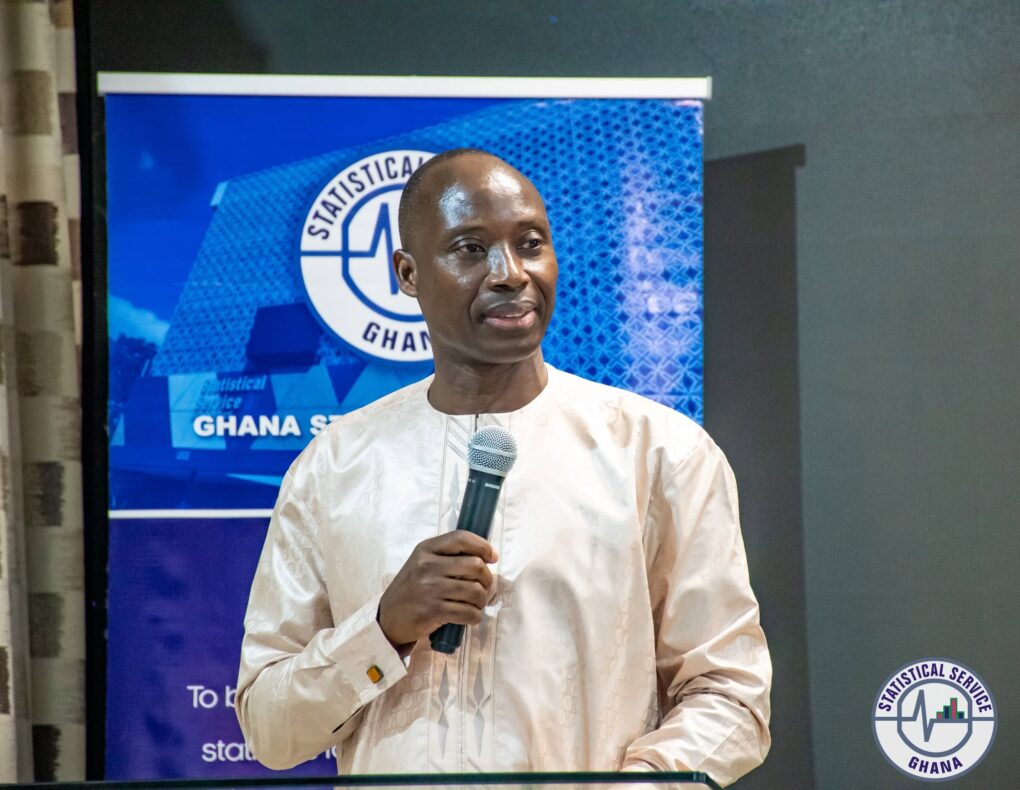
Ghana’s inflation rate declined to 4.6% in July 2026, down from 5.3% in June 2026 and 12.1% in July 2025, according to the latest Consumer Price Index (CPI) report released by Government Statistician Dr. Alhassan Iddrissu.
Speaking during the official presentation of the Ghana inflation data, Dr. Iddrissu explained that while prices of goods and services are still increasing, they are doing so at a much slower pace than a year ago, signaling continued improvement in the country’s inflation outlook.
“Lower inflation does not mean lower prices. The relief is in the pace of price increases, not yet in the actual prices consumers pay,” he stated.
Monthly Inflation Also Slows
On a month-on-month basis, consumer prices increased by 0.1% between June and July 2026, compared to 0.2% recorded in June, indicating a further slowdown in the rate of price growth across the economy.
Dr. Iddrissu noted that the monthly inflation figure reflects the actual price changes experienced by households over the past four weeks, while the annual inflation rate compares current prices with the same period last year.
Services Inflation Remains Higher Than Goods
The latest Ghana CPI report shows that services inflation stood at 8.5%, significantly higher than the 3.4% inflation rate for goods. Non-food items accounted for 67.6% of the overall inflation rate, highlighting the continued impact of service-related costs on household spending.
The housing, water, electricity, and gas category recorded 8.3% inflation, contributing 22.8% to the national inflation rate. Rent alone accounted for 13% of headline inflation, while school fees, transport fares, and utility charges remained key drivers of rising living costs.
Locally Produced Goods Drive Inflation
According to the Government Statistician, locally produced goods recorded 5.9% inflation, contributing 86.7% of the overall inflation rate, while imported goods posted a lower 2.0% inflation rate, accounting for 13.3% of total inflation.
The data suggests that domestic supply conditions, rather than fluctuations in the exchange rate, were the primary factors influencing Ghana’s inflation in July 2026.
The continued decline in inflation is expected to support economic growth, improve consumer confidence, and strengthen Ghana’s macroeconomic stability as policymakers monitor price trends and cost-of-living pressures.

Source: newsthemegh.com