
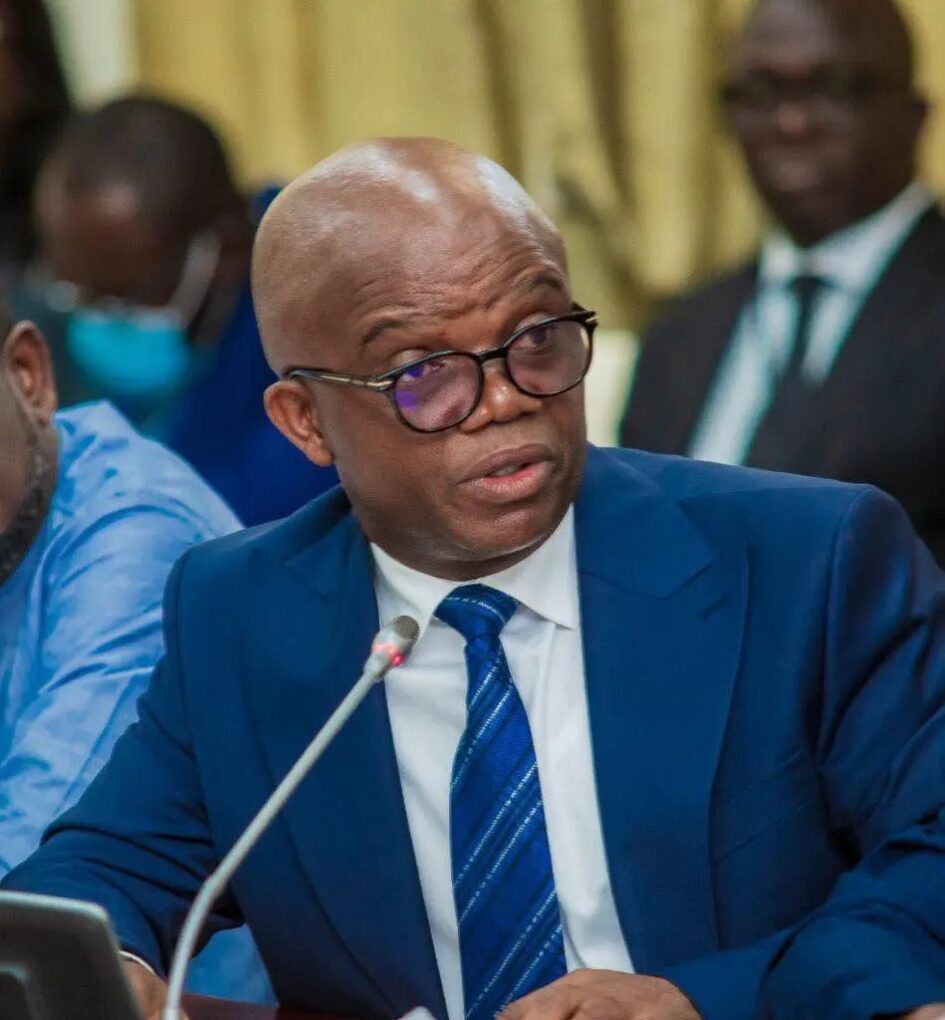
The Member of Parliament for Nhyiaeso, Dr Stephen Amoah, has praised the governing National Democratic Congress (NDC) for continuing the economic recovery initiatives introduced by the previous New Patriotic Party (NPP) administration to stabilise Ghana’s economy.
Speaking on Eyewitness News on Wednesday, October 14, 2026, Dr Amoah, who also serves as the Deputy Ranking Member of Parliament’s Finance Committee, said both the NPP and NDC governments deserved recognition for their contributions to the country’s economic recovery.
However, he stressed that the government must ensure that improvements in Ghana’s macroeconomic indicators translate into meaningful economic relief for ordinary citizens, businesses and households.
Dr Stephen Amoah Highlights Ghana’s Economic Improvements
According to the Nhyiaeso MP, the previous NPP administration introduced several measures to support Ghana’s economic recovery following the global economic crisis. He acknowledged that the current NDC government had built on those interventions to improve key economic indicators and strengthen macroeconomic stability.
Dr Amoah identified declining inflation, improved Treasury bill rates and changes in Ghana’s debt-to-GDP ratio as important indicators of progress in the country’s economic management.
He maintained, however, that these improvements should not be measured solely through official statistics but should also be reflected in the living conditions of Ghanaians.
“We need to tell the NPP government that it did well restoring the economy, and we need to also appreciate the fact that the present government has also stabilised it. They have worked on what we did,” he said.
The MP emphasised that recognising the NDC’s contribution to economic stabilisation should not undermine the policies and efforts undertaken by the previous NPP administration.
He argued that Ghana’s economic performance should be evaluated using measurable economic indicators rather than partisan political considerations.
Government Urged to Translate Economic Recovery into Jobs
Dr Amoah said the next phase of Ghana’s economic recovery should focus on improving the practical impact of economic policies on businesses and households.
He explained that the benefits of macroeconomic stability should include increased business investment, employment opportunities, improved household finances and reduced pressure on the cost of living.
According to him, although some economic indicators are improving, many Ghanaians are yet to experience the full benefits in their daily lives.
“Now, I think what we are looking out for is the secondary macro, which is the impact, the practical impact, the manifestation, which we have not yet felt,” he added.
He therefore called on the government to prioritise policies that would enable businesses to expand their operations, retain more cash for investment and employ additional workers.
Dr Amoah Cautions Government Over Tax Policies
The Nhyiaeso legislator also urged the government to carefully consider the timing and implementation of tax policies, particularly in the face of ongoing economic challenges affecting businesses and households.
He noted that although tax adjustments may be necessary to support government revenue mobilisation, policymakers must assess their potential effects on business operations, consumer spending and the overall cost of living.
Dr Amoah cautioned that introducing taxes without considering prevailing economic conditions could increase financial pressure on households and restrict the ability of businesses to grow.
He added that improvements in Ghana’s fiscal position should create opportunities for businesses to maintain adequate liquidity, invest in expansion and generate employment.
20% Tax on Cross-Border Digital Services Draws Attention
Dr Amoah’s comments come amid public discussions surrounding the implementation of a 20% tax on qualifying cross-border digital services.
Commercial banks are expected to begin collecting applicable taxes on these transactions from Thursday, October 15, 2026.
The policy has drawn attention to the broader debate over taxation, government revenue mobilisation, digital transactions and the potential impact of new tax measures on consumers and businesses in Ghana.
As the government continues efforts to strengthen economic stability, the debate remains focused on balancing revenue generation with policies that support business growth, job creation and improved living standards.
Ghanaians will be watching how the country’s improving macroeconomic indicators translate into tangible benefits, including greater purchasing power, lower financial pressure and increased economic opportunities.
Source: newsthemegh.com