
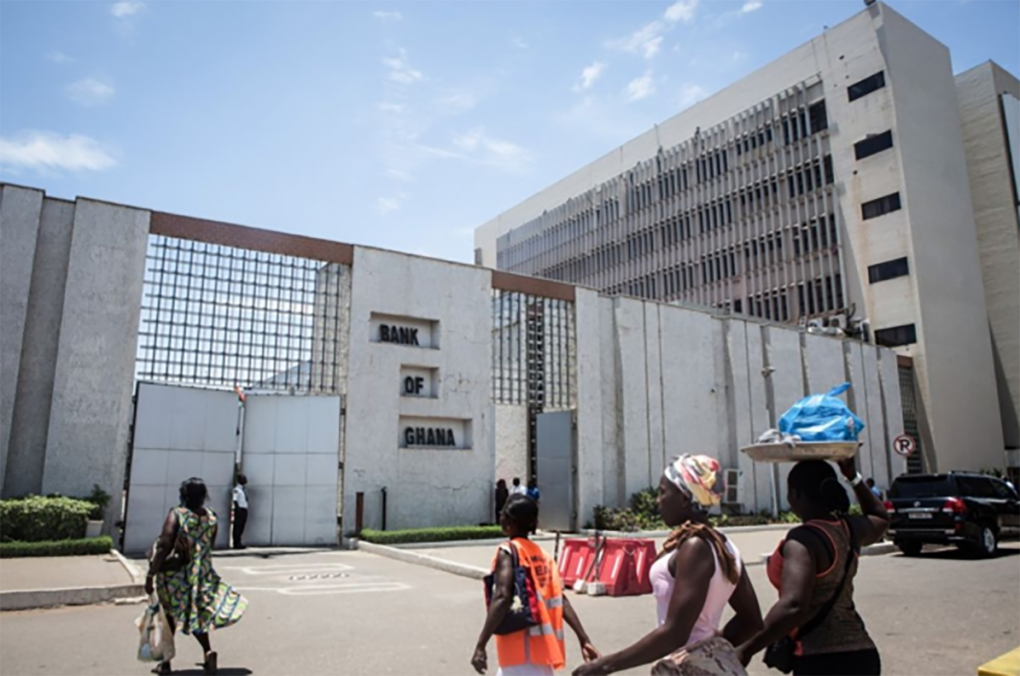
The Bank of Ghana (BoG) has proposed new banking regulations that would require commercial banks to hold sufficient high-quality liquid assets to cover their projected net cash outflows during a 30-day period of financial stress.
The proposed requirement is outlined in the Liquidity Coverage Ratio (LCR) Directive, 2026, an exposure draft published by the central bank on October 9, 2026, to obtain feedback from financial institutions, industry stakeholders and members of the general public.
According to the Bank of Ghana, the proposed directive is intended to strengthen liquidity risk management within the banking sector and ensure that banks are better prepared to meet their short-term financial obligations during periods of economic uncertainty.
In a notice published on its official website, the central bank explained that the consultation process is being conducted in line with its Procedures for Issuance of Directives, 2020.
The BoG has set November 30, 2026, as the deadline for interested stakeholders to submit their comments and recommendations on the proposed banking regulation.
Bank of Ghana Seeks Feedback on Liquidity Coverage Ratio Directive
The proposed Liquidity Coverage Ratio Directive forms part of the central bank’s regulatory framework for managing liquidity risks and strengthening financial stability in Ghana.
Under the proposed requirement, banks would be expected to maintain an adequate stock of high-quality liquid assets that can be converted into cash to meet their net cash outflows over a 30-day stress period.
Such assets are intended to help financial institutions continue meeting payment obligations and withdrawal demands during periods when access to funding becomes difficult.
The consultation process will give banks, financial sector operators and other interested parties an opportunity to review the exposure draft and provide feedback before the directive is finalised.
The Bank of Ghana has encouraged stakeholders to submit their comments within the specified period to contribute to the development of the proposed regulatory framework.
What the Proposed BoG Liquidity Rules Mean for Ghana’s Banking Sector
If adopted, the new liquidity requirements could strengthen banks’ preparedness for unexpected financial pressures and improve the management of short-term funding risks.
Maintaining adequate liquid assets is an important component of banking supervision because financial institutions must be able to meet customer withdrawals, settle payments and manage other immediate obligations, even during periods of market uncertainty.
The proposed directive also highlights the Bank of Ghana’s continued focus on prudential regulation, risk management and the stability of the country’s financial system.
However, the Liquidity Coverage Ratio Directive, 2026, remains an exposure draft at the consultation stage, and the final requirements will depend on the outcome of the regulatory process.
Financial institutions and other stakeholders have until November 30, 2026, to submit their views on the proposal.
Source: newsthemegh.com