
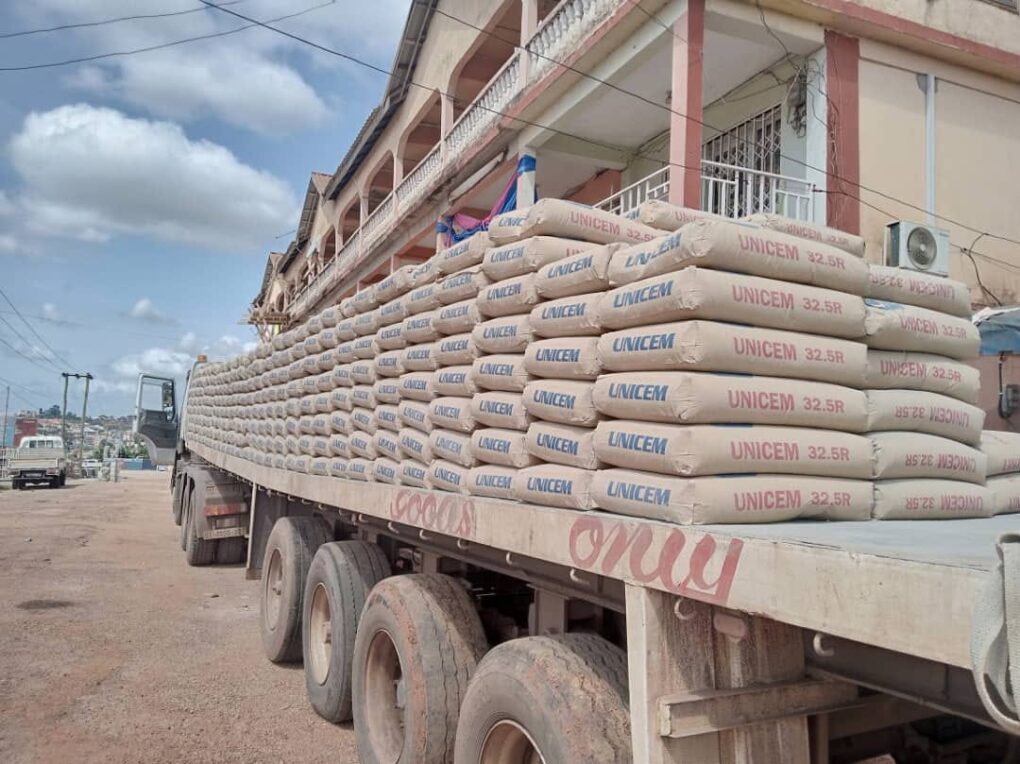
The Chamber of Cement Manufacturers, Ghana (COCMAG) has introduced a temporary GH¢12 per bag clinker demurrage surcharge as cement producers face severe congestion at the Tema Port and rising operational costs.
According to COCMAG, the temporary charge is intended to help cement manufacturers absorb the extraordinary demurrage costs caused by prolonged delays in the discharge of clinker vessels at Ghana’s main port.
The surcharge consists of GH¢10 before tax, together with GH¢2 in applicable taxes and levies.
COCMAG Chairman Dr George Dawson-Ahmoah said the decision was reached during an emergency meeting on Friday, August 28, 2026, following growing concerns over delays affecting clinker imports and cement production.
Tema Port Congestion Drives Up Cement Industry Costs
COCMAG said waiting times for vessels carrying clinker at the Tema Port have increased significantly, rising from an average of seven days in January 2026 to between 30 and more than 40 days in August 2026.
The prolonged delays have reportedly resulted in estimated industry-wide demurrage expenses of between US$45 million and US$50 million during the first eight months of 2026.
Individual vessels are also said to be accumulating demurrage charges ranging from approximately US$800,000 to US$1 million, putting additional financial pressure on cement manufacturers and raising concerns about the stability of clinker supplies.
Clinker is a major raw material required for cement production, meaning prolonged delays in its delivery could affect the availability and distribution of cement across Ghana.
COCMAG Clarifies GH¢12 Cement Surcharge
The Chamber stressed that the GH¢12 clinker surcharge should not be regarded as a general increase in cement prices.
Instead, COCMAG explained that the measure is a temporary intervention specifically introduced to help manufacturers recover exceptional costs resulting from the congestion at the Tema Port.
The surcharge will remain in place until December 31, 2026, subject to monthly reviews of the situation.
A comprehensive assessment is expected in January 2027, when COCMAG will determine whether the surcharge should be maintained, adjusted or removed based on developments at the port.
Limited Berth Capacity Affects Clinker Imports
COCMAG attributed the ongoing logistical difficulties partly to limited berth availability for clinker discharge at the Tema Port.
The Chamber said only three major berths are currently available for clinker discharge, while Berths 10 and 11 remain inaccessible to cement importers and manufacturers.
According to the Chamber, restricted access to these facilities has contributed significantly to the lengthy waiting periods for vessels transporting clinker to Ghana.
Cement Supply and Construction Industry at Risk
COCMAG leadership, including Chairman Frederic Albrecht and Chief Executive Officer Bishop Dr George Dawson-Ahmoah, has raised concerns about the potential impact of the port congestion on Ghana’s cement industry and construction sector.
The Chamber warned that if the challenges continue, shipping cycles could extend to almost three months, creating difficulties for manufacturers trying to maintain consistent cement supplies to the local market.
Any prolonged disruption to clinker imports could potentially affect cement availability, construction costs and building projects across Ghana, particularly if manufacturers are unable to receive regular shipments of the key raw material.
COCMAG Engages Government and GPHA
In response to the crisis, COCMAG said it is engaging the Government of Ghana and the Ghana Ports and Harbours Authority (GPHA) to find urgent solutions to the Tema Port congestion.
The proposed measures include reducing vessel waiting times, increasing berth capacity and restoring access to Berths 10 and 11 for clinker-carrying vessels.
COCMAG said resolving the underlying port challenges is essential to preventing further accumulation of demurrage costs and safeguarding the country’s clinker supply chain.
The Chamber reiterated that the GH¢12 surcharge is strictly temporary and will be reviewed as conditions at the Tema Port improve.
COCMAG’s preferred outcome is for port congestion to return to normal levels, allowing cement manufacturers to eliminate the additional demurrage expenses and ultimately remove the surcharge.
The Chamber said it remains committed to working with government agencies and port authorities to strengthen stability in Ghana’s cement manufacturing industry, protect consumers and minimise the impact of logistical challenges on the country’s wider construction sector.
Source: newsthemegh.com