

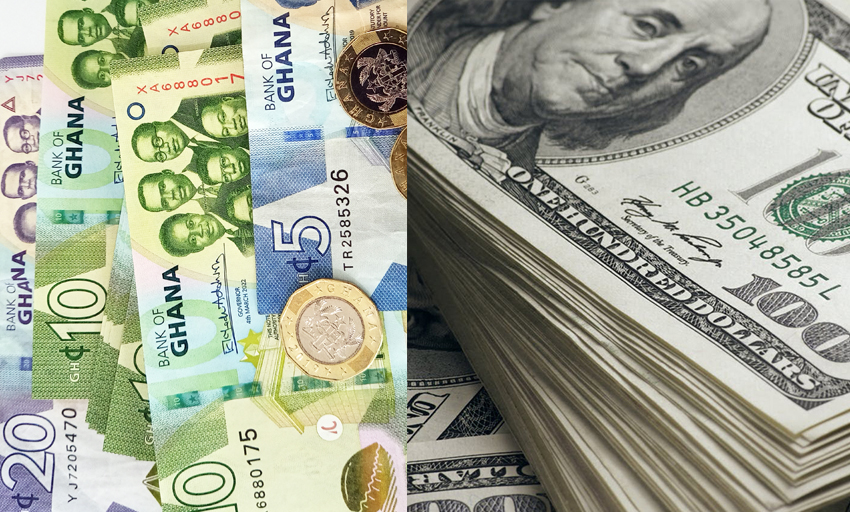
The Ghana cedi has recorded a strong recovery against the US dollar, posting four consecutive days of gains between Tuesday, August 11 and Friday, August 14, 2026, as improved dollar supply and stronger foreign exchange market conditions support the local currency.
Data from the foreign exchange market indicates a notable improvement in the cedi’s performance, with market rates showing differences across financial institutions and trading platforms.
Some commercial banks were quoting the US dollar at around GH¢11.30 on indicative rates, while Bloomberg data placed the exchange rate at approximately GH¢10.96 per US dollar.
The Bank of Ghana (BoG) was quoting the dollar at about GH¢10.98, reflecting the recent strengthening of the Ghana cedi against the major international currency.
Why the Ghana Cedi Is Gaining Strength
Market sources have attributed the recent appreciation of the Ghana cedi to several factors, including increased Bank of Ghana foreign exchange interventions, stronger inflows from the extractive sector and increased participation by offshore investors in Ghana’s local bond market.
The improved supply of foreign currency is helping to ease pressure on the cedi and strengthen liquidity within Ghana’s foreign exchange market.
Offshore investors seeking to purchase local government bonds are also contributing to increased demand for the Ghanaian currency as they convert foreign exchange into cedis to invest in domestic financial assets.
Lower Dollar Demand Supports Cedi Appreciation
Market players have also identified a decline in business demand for US dollars as another factor supporting the cedi’s recent gains.
Reduced demand for dollars, combined with improved foreign exchange inflows, has helped create more favourable conditions for the local currency.
The latest development will be closely monitored by businesses, importers, investors and consumers, particularly because movements in the cedi-to-dollar exchange rate can influence import costs, inflation, fuel prices and other areas of the Ghanaian economy.
The continued stability of the Ghana cedi will depend on several factors, including foreign exchange supply, Bank of Ghana policy, investor confidence, export earnings and demand for US dollars.
Source: newsthemegh.com