
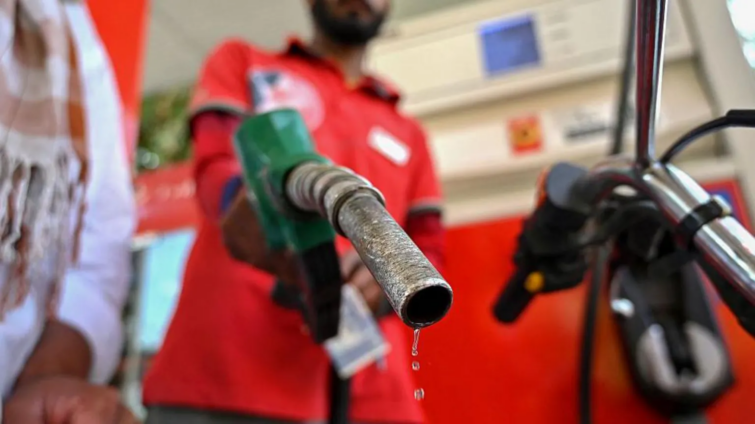
Petrol and liquefied petroleum gas (LPG) prices in Ghana could decrease from November 1, 2026, while diesel prices may increase following the latest fuel price floor adjustments announced by the National Petroleum Authority (NPA).
The revised petroleum product price floors for the first half of November 2026 suggest possible relief for petrol and LPG consumers, although diesel users could face higher fuel costs. However, the actual changes at fuel stations will depend on the pricing decisions of individual Oil Marketing Companies (OMCs) and LPG Marketing Companies.
NPA Reduces Petrol and LPG Price Floors
The National Petroleum Authority has reduced the minimum benchmark price for petrol from GH¢16.09 to GH¢15.39 per litre for the November 1–15, 2026 pricing window.
Similarly, the LPG price floor has decreased from GH¢13.89 to GH¢13.73 per kilogram, creating room for a possible reduction in cooking gas prices across the country.
In contrast, diesel prices could experience upward pressure following an increase in the price floor from GH¢17.09 to GH¢17.41 per litre.
The latest adjustments indicate different potential movements in Ghana’s petroleum market, with petrol and LPG prices positioned for possible reductions while diesel prices face an increase in their benchmark cost.
Why Fuel Prices May Not Fall by the Same Amount
Despite the reductions in petrol and LPG price floors, consumers should not expect pump prices to automatically fall by the same amounts.
According to the NPA’s petroleum pricing framework, the price floors exclude several additional costs, including premiums charged by International Oil Trading Companies, operating margins applied by Bulk Import, Distribution and Export Companies (BIDECs), and margins charged by Oil Marketing Companies and LPG Marketing Companies.
These charges are determined separately by the respective companies in accordance with Ghana’s Petroleum Products Pricing Formula.
Consequently, the final prices of petrol, diesel and LPG will depend on how fuel marketers adjust their premiums, distribution costs and profit margins during the new pricing period.
Motorists and households are therefore advised to monitor announcements from fuel stations from November 1 before determining whether the latest adjustments will translate into lower petrol and cooking gas prices.
Cedi Appreciation Could Help Moderate Fuel Costs
The possible reduction in petrol and LPG prices comes at a time when international crude oil prices have been rising.
However, the recent appreciation of the Ghanaian cedi could help cushion the impact of higher global oil prices on domestic fuel costs.
Since petroleum products are traded internationally, movements in crude oil prices, refined petroleum product prices and the cedi-to-dollar exchange rate can significantly influence fuel prices in Ghana.
A stronger cedi can reduce the local currency cost of importing petroleum products, while increases in international oil prices may place additional pressure on domestic fuel prices.
The combined effect of these factors will help determine the direction of petrol, diesel and LPG prices during the November 2026 pricing window.
Previous Fuel Price Changes in October 2026
During the previous fuel price adjustment on October 16, 2026, petrol and diesel prices recorded marginal reductions at the pumps, while LPG prices were projected to increase by approximately 18.5% per kilogram.
The Chamber of Oil Marketing Companies attributed the reductions in petrol and diesel prices to movements in international refined petroleum product prices and government subsidy measures.
In its report covering the period, the Chamber indicated that average crude oil prices had increased by 2.03% to US$126.73 per barrel amid renewed concerns about global oil supplies.
However, prices of refined petroleum products followed different trends. International LPG prices increased by 7.77%, while diesel and petrol prices declined by 6.68% and 3.93%, respectively.
These developments highlight how changes in global petroleum markets can affect individual fuel products differently, depending on supply conditions, import costs and domestic pricing factors.
What Ghanaian Consumers Should Expect from November 1
The latest NPA price floor adjustments suggest that fuel prices in Ghana could continue to move in different directions in early November.
Petrol consumers may benefit from a lower benchmark price, while households that rely on LPG for cooking could also see some relief if marketers reduce their pump prices. Diesel consumers, including commercial drivers and businesses that depend on diesel-powered equipment, may face increased costs if the higher price floor translates into higher retail prices.
Nevertheless, the actual impact on consumers will depend on international refined petroleum prices, exchange-rate movements, government interventions and the pricing decisions of individual fuel marketers.
The key development to watch is the actual pump prices announced by Oil Marketing Companies from November 1, 2026. The revised NPA price floors provide an indication of possible price movements but do not guarantee corresponding reductions or increases at fuel stations.
For motorists, transport operators and households, monitoring official fuel price announcements will be essential to understanding how the latest adjustments affect their budgets.
Source: newsthemegh.com