

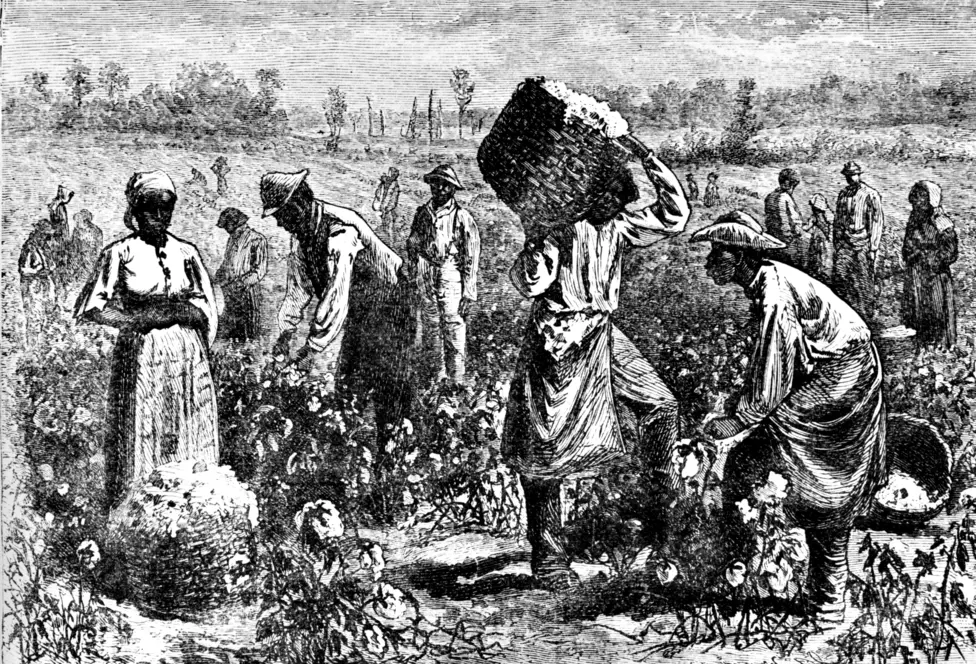
The United Nations General Assembly officially recognised the transatlantic slave trade today (March 25, 2026) as “the gravest crime against humanity,” in a major resolution submitted by Ghana and supported by 123 member nations.
Although it does not specify monetary sums, the action, which aims to promote healing and reparative justice, calls on nations to think about making official apologies and contributing to a reparations framework.
The resolution, which was approved in spite of opposition from the US, Israel, and Argentina as well as abstentions from 52 nations, including the UK and EU members, is an important step toward the global recognition of past injustices committed against Africa.
The resolution emphasises the need for accountability for centuries of enslavement and colonisation, according to Ghana’s Foreign Minister Samuel Ablakwa.
Speaking on behalf of the African Union at the UN General Assembly in New York, President John Dramani Mahama presented the resolution as a moral need and urged international support.
“Let it be recorded that when history beckoned, we did what was right for the memory of the millions who suffered the indignity of slavery. Let our vote on this resolution restore their dignity and humanity,” he said.
The “Declaration of the Trafficking of Enslaved Africans and Racialised Chattel Enslavement of Africans as the Gravest Crime Against Humanity” draft resolution also calls for safeguards for Africans and the diaspora, reforms to international systems to guarantee equal opportunities, and the return of cultural artefacts.
Theodore Roosevelt once said, “With a great moral issue involved, neutrality does not serve righteousness; for to be neutral between right and wrong is to serve wrong.” President Mahama stressed that neutrality on such moral issues favours injustice.
While applauding the resolution, UN Secretary-General António Guterres urged member states to take “far bolder action” to address the persistent systems of racial injustice and white supremacy that still impact those of African origin.
In order to overcome systematic racism and advance inclusive development, he emphasised that leaders must utilise power constructively and called for the breakdown of false narratives in politics, education, and the media.
The resolution is a component of larger initiatives by Caribbean and African countries to hold people accountable for past wrongs, including plans for a special UN reparations tribunal.
According to Ablakwa, the project may open the door to a “reparative framework” that tackles historical injustices as well as their continuing effects on social and economic inequality.
President Mahama emphasised the significance of honouring the estimated 12.5 million victims of the slave trade and using their legacy as a foundation for societal healing.
“Through these activities, we do more than remember. We document and educate; we gain a greater perspective; we find the delicate balance of learning from history so we do not repeat it, while leaving the pain behind. In doing so, we begin to heal, individually, within our immediate communities, and within the global community,” he said.
Source: newsthemegh.com