

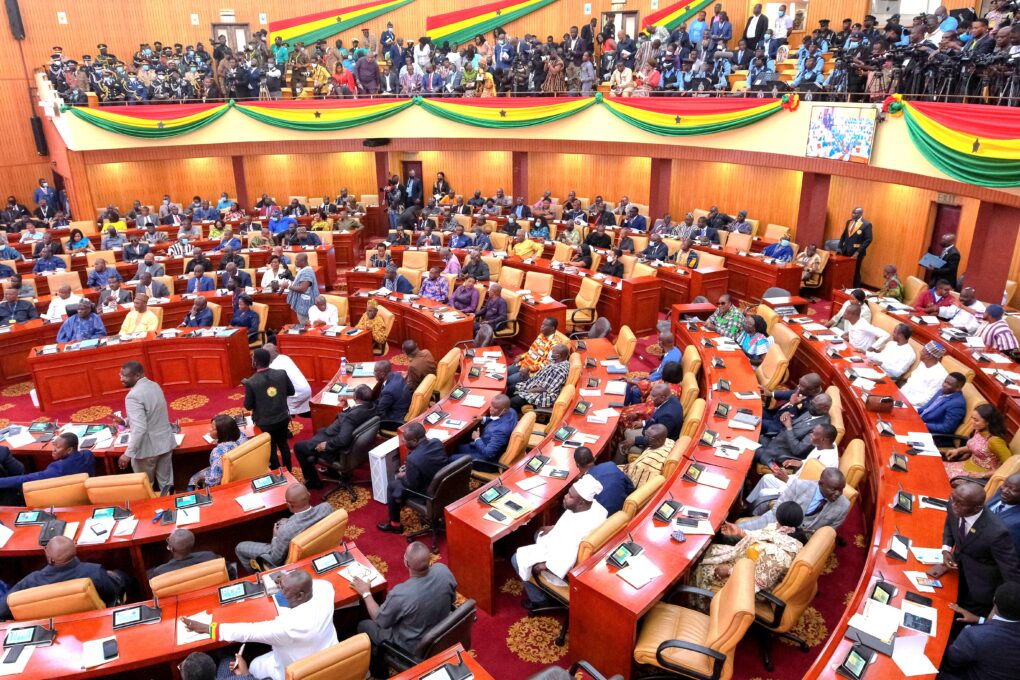
The Ghana Investment Promotion Authority (GIPA) Bill was enacted by parliament, which is a major step toward modernising the nation’s investment promotion and regulatory system.
Following years of stakeholder consultations, the legislation was approved during the 31st Sitting of the 1st Meeting of the 2nd Session of the 9th Parliament of the Fourth Republic. It is in line with Ghana’s national development priorities, international commitments, and changing international investment standards.
The new bill offers a stronger and more adaptable legislative framework to direct investment facilitation, promotion, and regulation. It is anticipated to promote a more effective business climate, increase transparency, and better responsiveness to investor needs.
By designating the Authority as Ghana’s national focal point for the Protocol on Investment under the African Continental Free Trade Area, a crucial clause in the Bill strengthens Ghana’s standing as a vital entry point to regional and continental markets.
By assisting Ghanaian-owned companies, expanding access to incentives, and promoting the expansion of regional businesses, the law also emphasises inclusive growth.
It also seeks to draw in superior foreign direct investment that makes a significant contribution to economic growth.
The Bill aims to direct funding toward initiatives that support employment creation, technology transfer, skill development, and environmental responsibility while incorporating sustainability and social inclusion principles.
According to Simon Madjie, chief executive officer of the Ghana Investment Promotion Centre, the Bill’s passing marked a sea change in Ghana’s investment environment.
He pointed out that the new framework will boost investor trust, increase accountability, and establish Ghana as a competitive and ethical investment destination.
Mr. Madjie also praised the Parliament, important committees, and pertinent ministries for their contributions to reaching the milestone.
The new law is anticipated to improve investor protection, expedite administrative procedures, strengthen dispute resolution procedures, and increase both foreign and domestic investment inflows into Ghana when it has been approved by the President.
Source: newsthemegh.com