
Writer Charles Moncar | [email protected]
Air pollution is now the second biggest threat to health in Ghana and is linked to an estimated 28,000 premature deaths every year.
While dust is only one part of the problem, expanding green spaces is a proven way to improve air quality and public health.
Walk through almost any town or city in Ghana during the dry season and you’ll notice the same thing. Dust settles on freshly cleaned furniture, coats parked cars, drifts into homes, hospitals, and schools, and has become an accepted part of daily life.
But it doesn’t have to be.
What if one of Ghana’s biggest environmental challenges could be tackled with one of nature’s simplest solutions?
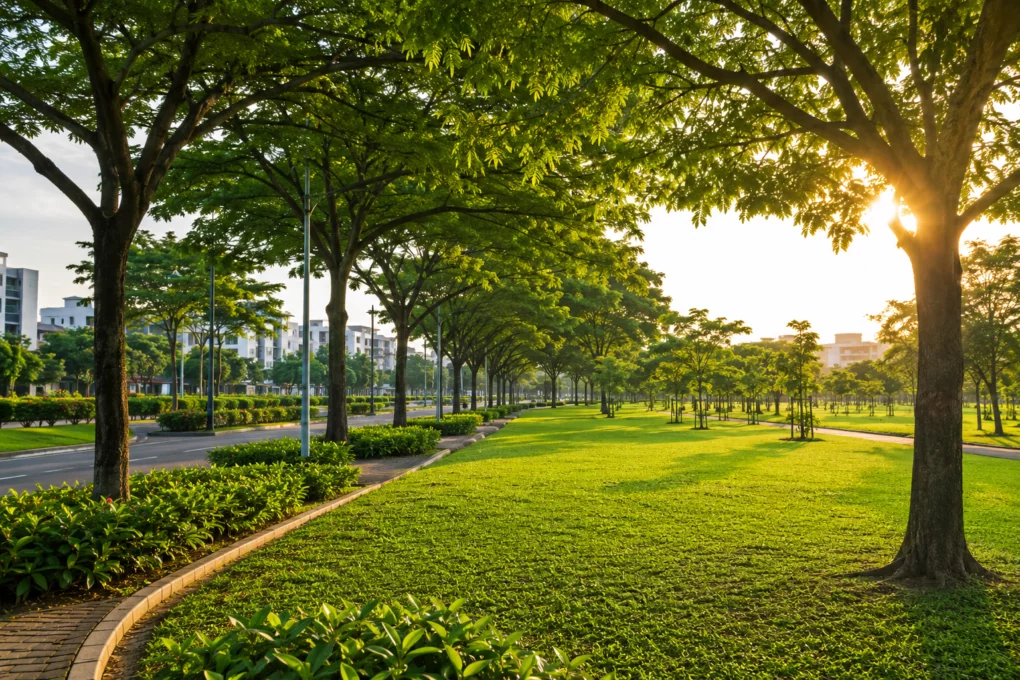
More trees. More grass. Better-maintained landscapes.
Cleaner air would be only the beginning. Greener communities could reduce dust, improve public health, create jobs, cool our cities, and build a healthier future for generations to come.

Air pollution is now the second biggest threat to health in Ghana and is linked to an estimated 28,000 premature deaths every year.
While dust is only one part of the problem, expanding green spaces is a proven way to improve air quality and public health.
Walk through almost any town or city in Ghana during the dry season and you’ll notice the same thing. Dust settles on freshly cleaned furniture, coats parked cars, drifts into homes, hospitals, and schools, and has become an accepted part of daily life.
But it doesn’t have to be.
What if one of Ghana’s biggest environmental challenges could be tackled with one of nature’s simplest solutions?
More trees. More grass. Better-maintained landscapes.
Cleaner air would be only the beginning. Greener communities could reduce dust, improve public health, create jobs, cool our cities, and build a healthier future for generations to come.
Source: newsthemegh.com